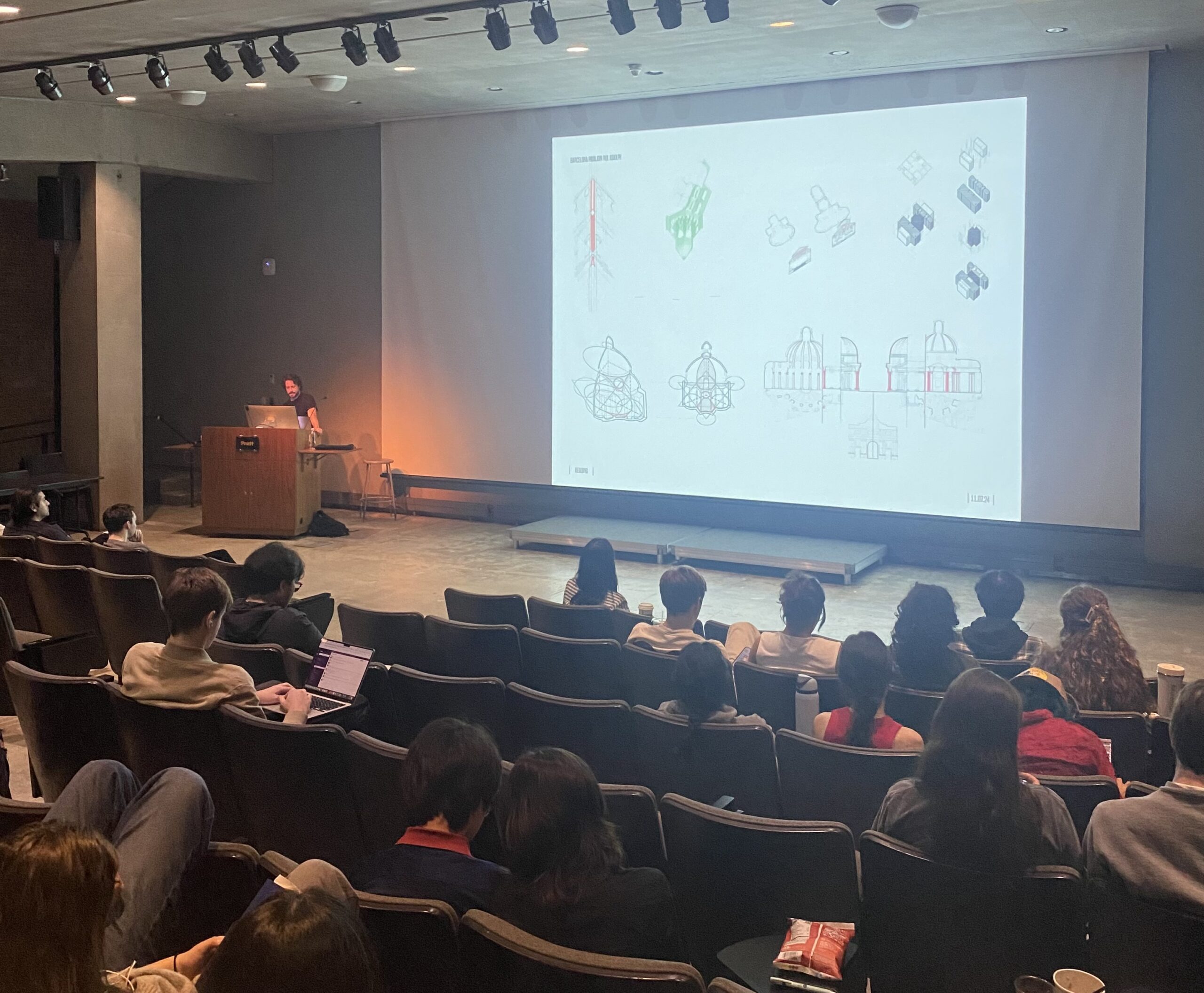
The Design Curriculum Analysis Program at Pratt Institute has emerged as a pivotal innovation in the assessment procedures of the Undergraduate Architecture department. Launched in the 2024-2025 academic year, this program introduces an engaging and critical evaluation process involving external critics, known as “Eminent Analysts”. These experts, chosen for their alignment with the academic year’s theme, are tasked with scrutinizing and enhancing the curriculum through their seasoned perspectives.
Each analyst is integrated into the studio’s culture, participating in midterm, final, and other significant reviews. Their role is not merely observational; they actively contribute to the studio’s dialogue, culminating in a presentation tailored to the studio’s focus. At the semester’s conclusion, a comprehensive feedback loop is established where the Analyst, studio coordinator, and department chairperson discuss insights and recommendations for future improvements.
This inaugural year has been marked by success, thanks in part to the diverse expertise of the 2024-2025 Analysts Cohort:
2024-2025 Analysts Cohort
Fall Semester: First Year Analyst, Nate Hume
Nate Hume, a Brooklyn-based architect and principal of Hume Architecture, brings a wealth of experience. His work features in esteemed publications such as Project, Log, and The New York Times. Hume’s exhibitions have graced venues like The Druker Gallery and Yale Architecture Gallery. As the creator of Suckerpunch, a platform exploring contemporary architecture and art, Hume’s contributions have been invaluable.
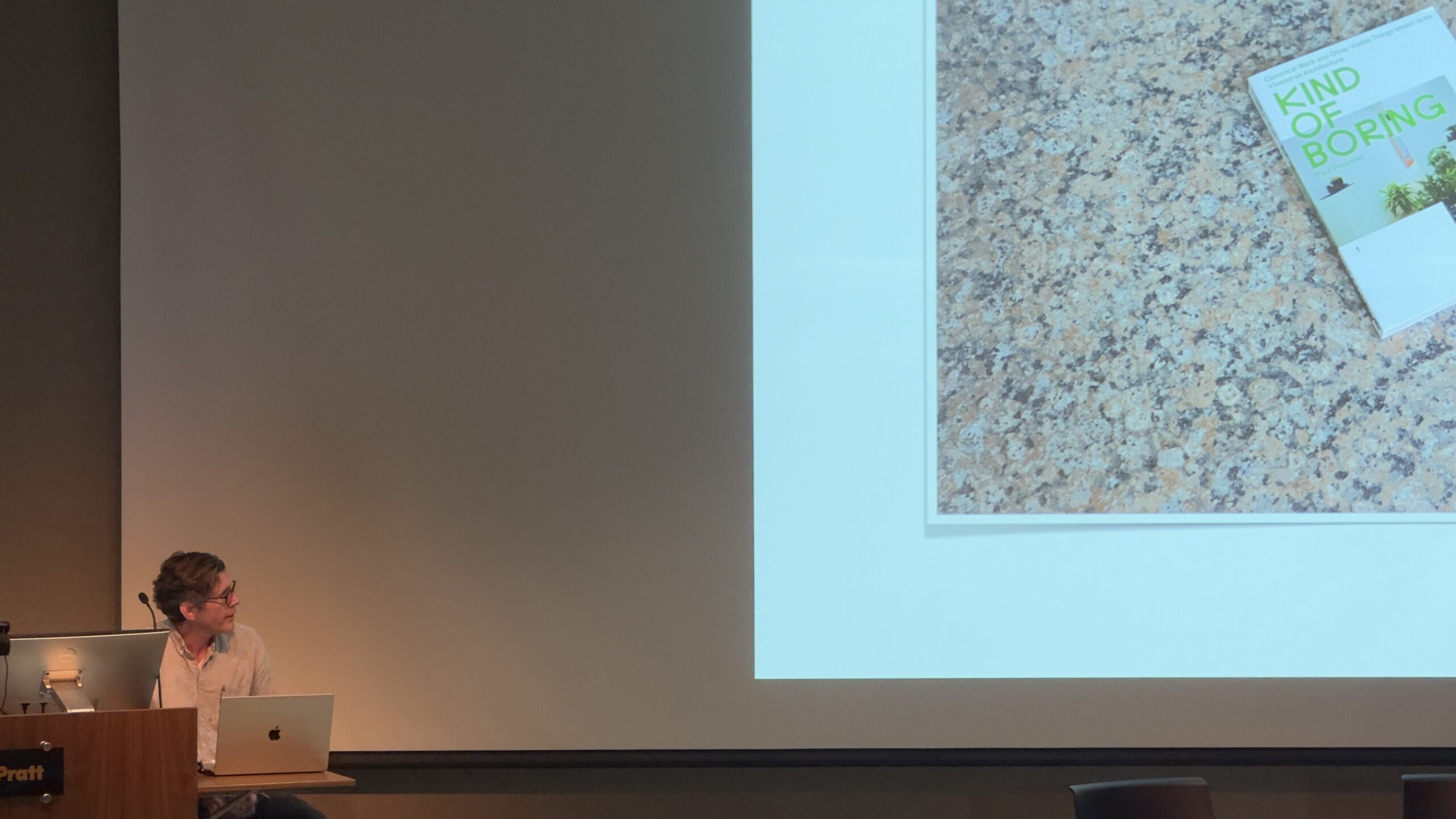
Fall Semester: Second Year Analyst, Paul Preissner
Paul Preissner, of Paul Preissner Architects in Oak Park, Illinois, served as commissioner and co-curator of the United States pavilion at the 17th International Architecture Exhibition – la Biennale di Venezia. His literary contributions include Kind of Boring: Canonical Work and Other Visible Things Meant to Be Viewed as Architecture and American Framing: The Same Something for Everyone.
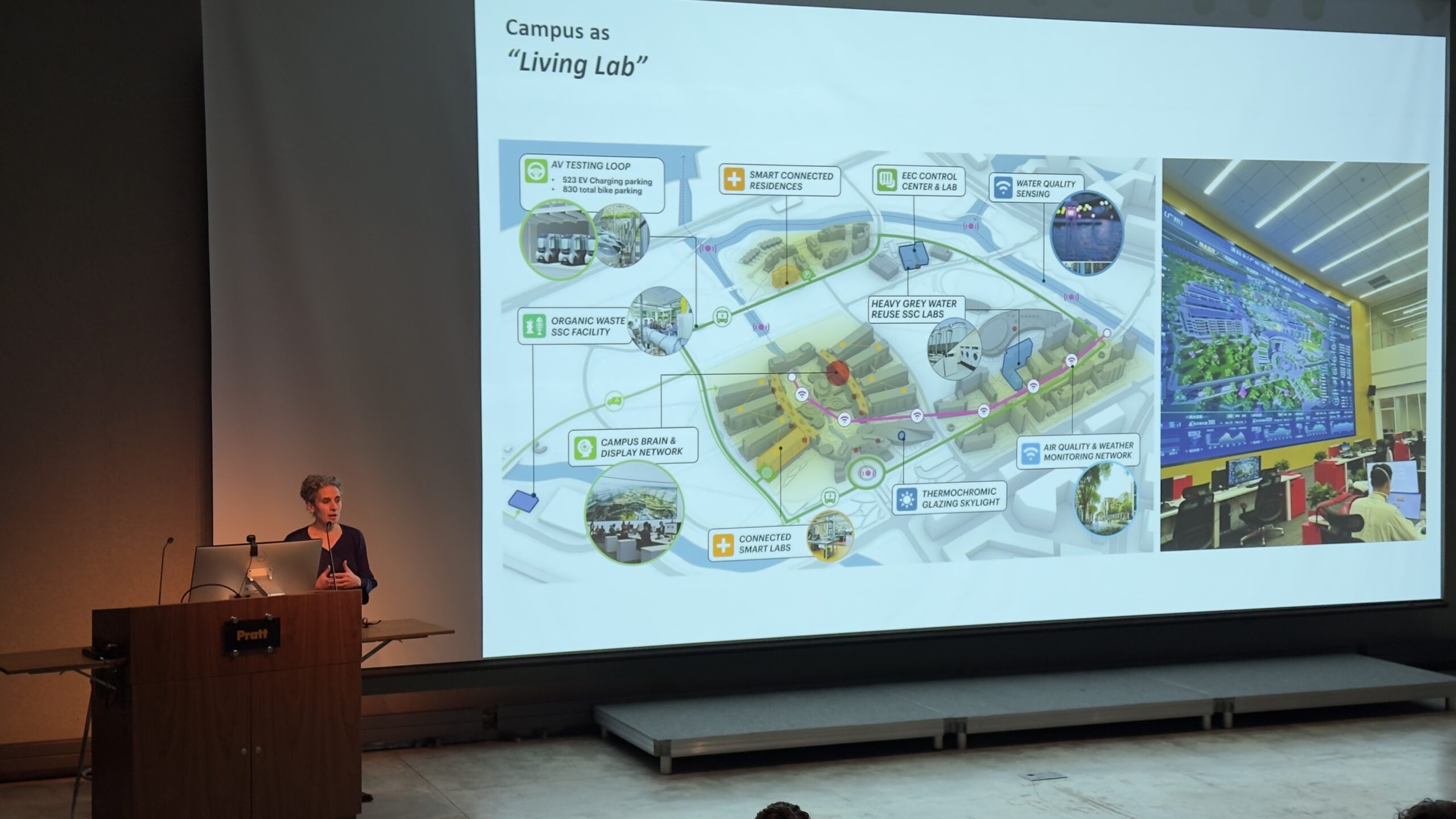
Spring Semester: Third Year Analyst, Hana Kassem
Hana Kassem, Principal at KPF, is renowned for her human-centric design approach. Her focus on sustainability, resiliency, and wellness is evident in her work and teaching at Parsons. She serves on the Van Alen Institute and the AIANY Board of Trustees and is the Founding Chair of the AIANY annual Leaning Out | Women in Architecture panel.
Spring Semester: Degree Project Analyst, Michael Young
Michael Young, an Associate Professor at The Irwin S. Chanin School of Architecture at the Cooper Union, is celebrated for his works, The Estranged Object and Reality Modeled After Images. His practice, Young & Ayata, boasts numerous accolades, including the Progressive Architecture award and the AIANY Honor Award.
For more detailed insights, visit the original article on Pratt Institute’s website. You can also explore more news from the School of Architecture and all Pratt news.
More Articles
Getting licensed or staying ahead in your career can be a journey—but it doesn’t have to be overwhelming. Grab your favorite coffee or tea, take a moment to relax, and browse through our articles. Whether you’re just starting out or renewing your expertise, we’ve got tips, insights, and advice to keep you moving forward. Here’s to your success—one sip and one step at a time!
A new national survey shows that while most real estate agents now use AI for everyday tasks like writing listing descriptions and social posts, many remain uneasy trusting the technology with higher‑stakes responsibilities. Agents report major time savings and better communication thanks to AI, but lingering concerns about accuracy, compliance and data interpretation reveal a growing skills gap. The industry’s next big need: stronger AI tools, clearer standards and hands‑on training — a gap education providers like Cameron Academy are poised to fill.
Florida homeowners and real estate professionals are being crushed by skyrocketing insurance premiums, shrinking coverage, and a claims system stacked against consumers. While residents face the highest insurance costs in the nation, meaningful reform bills are being ignored in Tallahassee, leaving families, businesses, and the entire real estate market exposed.
Artificial intelligence is exposing the real estate industry's biggest weakness: fragmented, inconsistent data scattered across disconnected systems. Unlike finance and e‑commerce, real estate never built a unified digital foundation—and now AI can’t function without one. As companies scramble to standardize information, organizations like OSCRE are pushing shared data models that could transform everything from leasing to property management. The result may be the industry’s most collaborative era yet, where clean, interoperable data becomes the key to unlocking AI’s full power.
Off‑market networks, rising small‑investor buying, regulatory shifts, and intensifying portal competition are reshaping how homes are found and sold. With inventory tight and traditional listings declining, agents who understand investor behavior, private deal flow, and evolving rules are gaining a major edge in today’s fast‑changing housing landscape.
Despite state leaders celebrating stabilization, Florida homeowners continue to face some of the highest insurance premiums in the country. Local experts say rates have stopped skyrocketing but have settled at levels that feel permanently elevated—especially for older or coastal homes. With insurers still avoiding high‑risk areas and demanding costly home upgrades, many Floridians are questioning whether this expensive reality is here to stay.
California is pushing a landmark proposal that would force insurers to offer coverage to homeowners who meet state‑approved wildfire‑mitigation standards. The new SB 1076, known as the Insurance Coverage for Fire‑Safe Homes Act, aims to stabilize the state’s distressed insurance market by guaranteeing coverage for fire‑hardened homes starting in 2028—backed by strict penalties for insurers who refuse. As supporters rally and critics warn of market strain, the bill could reshape real estate, insurance, and lending practices across wildfire‑prone regions.