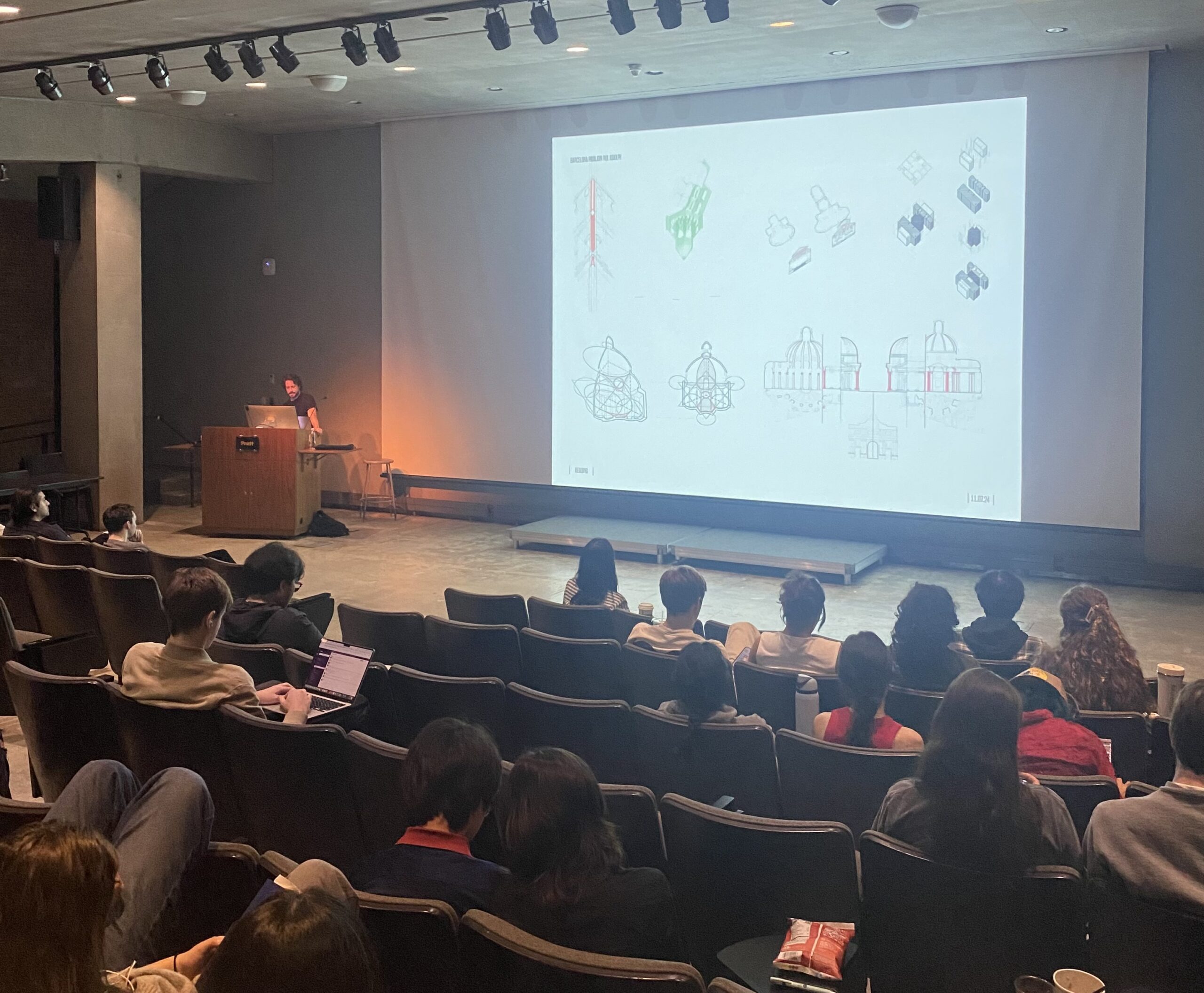
The Design Curriculum Analysis Program at Pratt Institute has emerged as a pivotal innovation in the assessment procedures of the Undergraduate Architecture department. Launched in the 2024-2025 academic year, this program introduces an engaging and critical evaluation process involving external critics, known as “Eminent Analysts”. These experts, chosen for their alignment with the academic year’s theme, are tasked with scrutinizing and enhancing the curriculum through their seasoned perspectives.
Each analyst is integrated into the studio’s culture, participating in midterm, final, and other significant reviews. Their role is not merely observational; they actively contribute to the studio’s dialogue, culminating in a presentation tailored to the studio’s focus. At the semester’s conclusion, a comprehensive feedback loop is established where the Analyst, studio coordinator, and department chairperson discuss insights and recommendations for future improvements.
This inaugural year has been marked by success, thanks in part to the diverse expertise of the 2024-2025 Analysts Cohort:
2024-2025 Analysts Cohort
Fall Semester: First Year Analyst, Nate Hume
Nate Hume, a Brooklyn-based architect and principal of Hume Architecture, brings a wealth of experience. His work features in esteemed publications such as Project, Log, and The New York Times. Hume’s exhibitions have graced venues like The Druker Gallery and Yale Architecture Gallery. As the creator of Suckerpunch, a platform exploring contemporary architecture and art, Hume’s contributions have been invaluable.
Fall Semester: Second Year Analyst, Paul Preissner
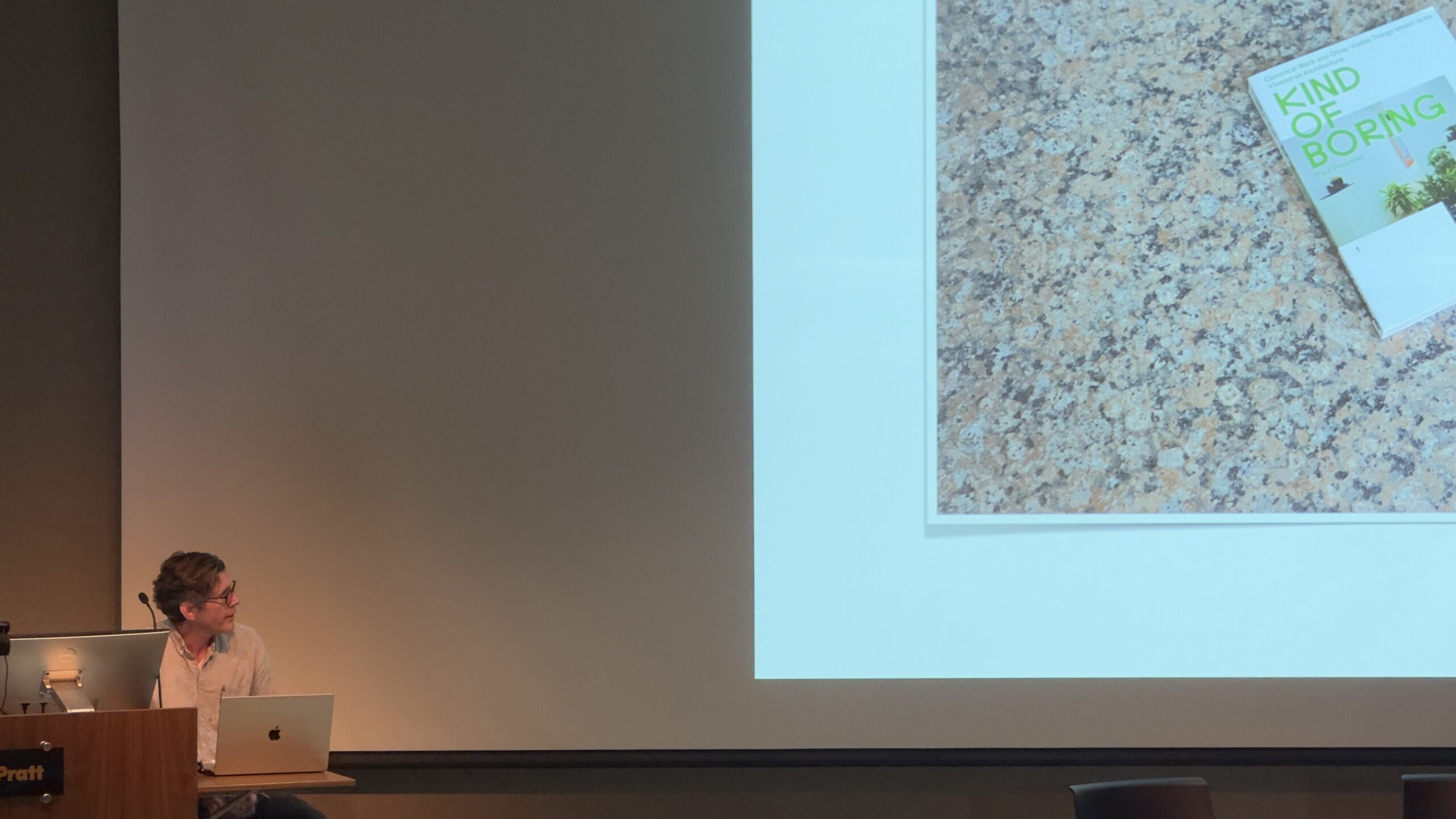
Paul Preissner, of Paul Preissner Architects in Oak Park, Illinois, served as commissioner and co-curator of the United States pavilion at the 17th International Architecture Exhibition – la Biennale di Venezia. His literary contributions include Kind of Boring: Canonical Work and Other Visible Things Meant to Be Viewed as Architecture and American Framing: The Same Something for Everyone.
Spring Semester: Third Year Analyst, Hana Kassem
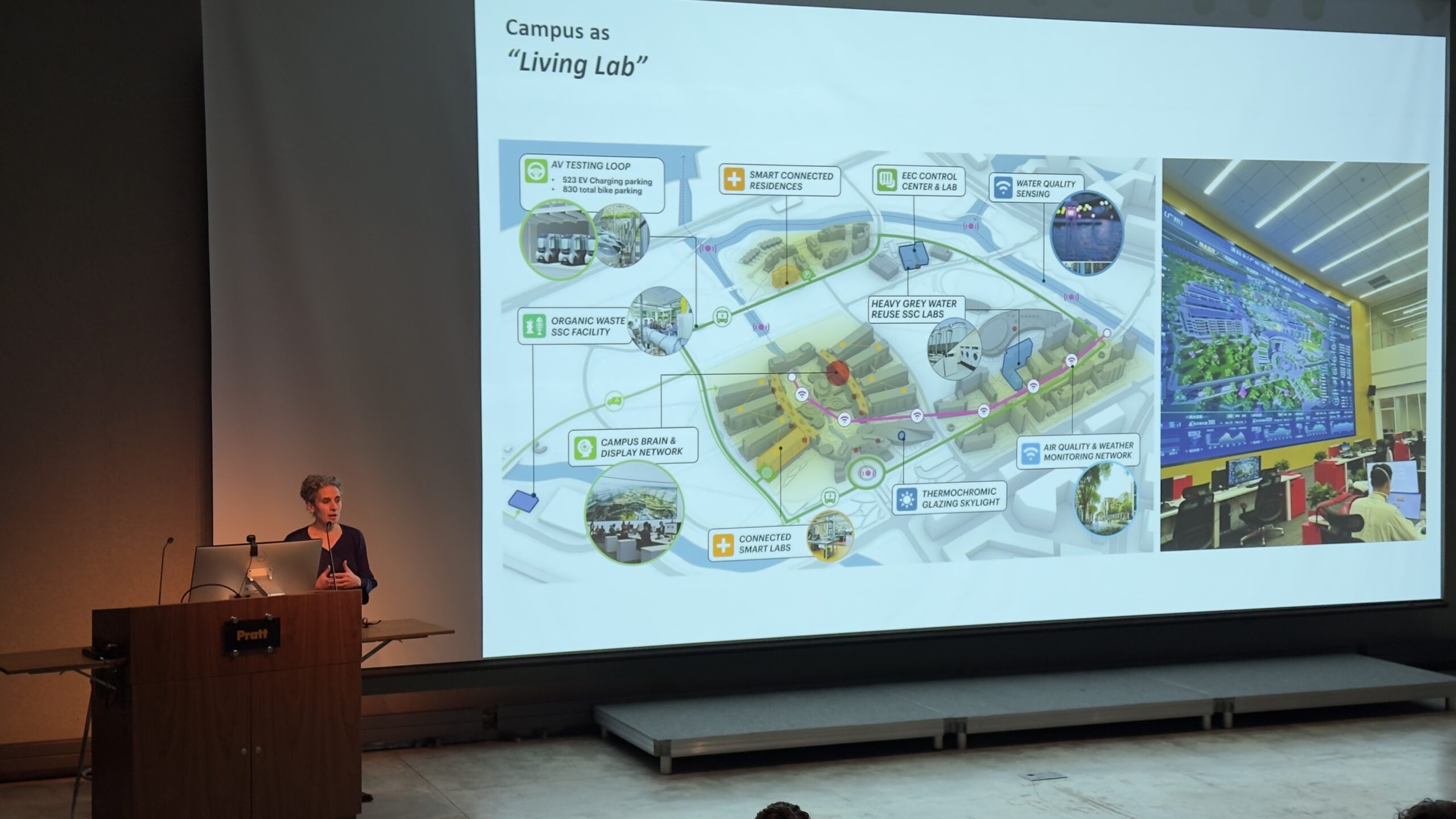
Hana Kassem, Principal at KPF, is renowned for her human-centric design approach. Her focus on sustainability, resiliency, and wellness is evident in her work and teaching at Parsons. She serves on the Van Alen Institute and the AIANY Board of Trustees and is the Founding Chair of the AIANY annual Leaning Out | Women in Architecture panel.
Spring Semester: Degree Project Analyst, Michael Young
Michael Young, an Associate Professor at The Irwin S. Chanin School of Architecture at the Cooper Union, is celebrated for his works, The Estranged Object and Reality Modeled After Images. His practice, Young & Ayata, boasts numerous accolades, including the Progressive Architecture award and the AIANY Honor Award.
For more detailed insights, visit the original article on Pratt Institute’s website. You can also explore more news from the School of Architecture and all Pratt news.
More Articles
Getting licensed or staying ahead in your career can be a journey—but it doesn’t have to be overwhelming. Grab your favorite coffee or tea, take a moment to relax, and browse through our articles. Whether you’re just starting out or renewing your expertise, we’ve got tips, insights, and advice to keep you moving forward. Here’s to your success—one sip and one step at a time!
Stepping into homeownership is a significant financial milestone, especially when you're setting your sights on a $700,000 property. This comprehensive guide will demystify the financial aspects of homeownership, breaking down the income requirements, the mortgage process, and the additional costs involved. Whether you're a first-time homebuyer or looking to upgrade your current home, this article will equip you with valuable insights to navigate your journey towards owning your dream home. To chart your course towards homeownership, it's crucial to understand the 28/36 rule. This financial principle suggests that no more than 28% of your total monthly income should be allocated towards your monthly housing costs, and no more than 36% should be dedicated to overall debt payments. Adhering to this guideline ensures a healthy balance between your housing expenses and other financial commitments, paving the way for a secure financial future.
Whether you're looking to enhance your one-on-one consultations or envision creating comprehensive courses and materials, choosing the right online platform can dramatically impact your coaching journey as a real estate professional.
Cameron Academy provides insight into the performance of nonbank mortgage lenders, the Goldilocks moment in servicing and originations, and the changing landscape for smaller lenders. Learners gain a strategic understanding of the evolving real estate and mortgage industry.
"Cameron Academy's courses empower professionals to navigate Mortgage Industry Performance 2023's challenges. We cover key aspects such as 'Improving Credit Score for Borrowers', the impact of 'FHFA Proposed Changes', the revolutionary 'CreditXpert's Predictive Analytics Platform', and the crucial role of 'Engaging Borrowers Early'."