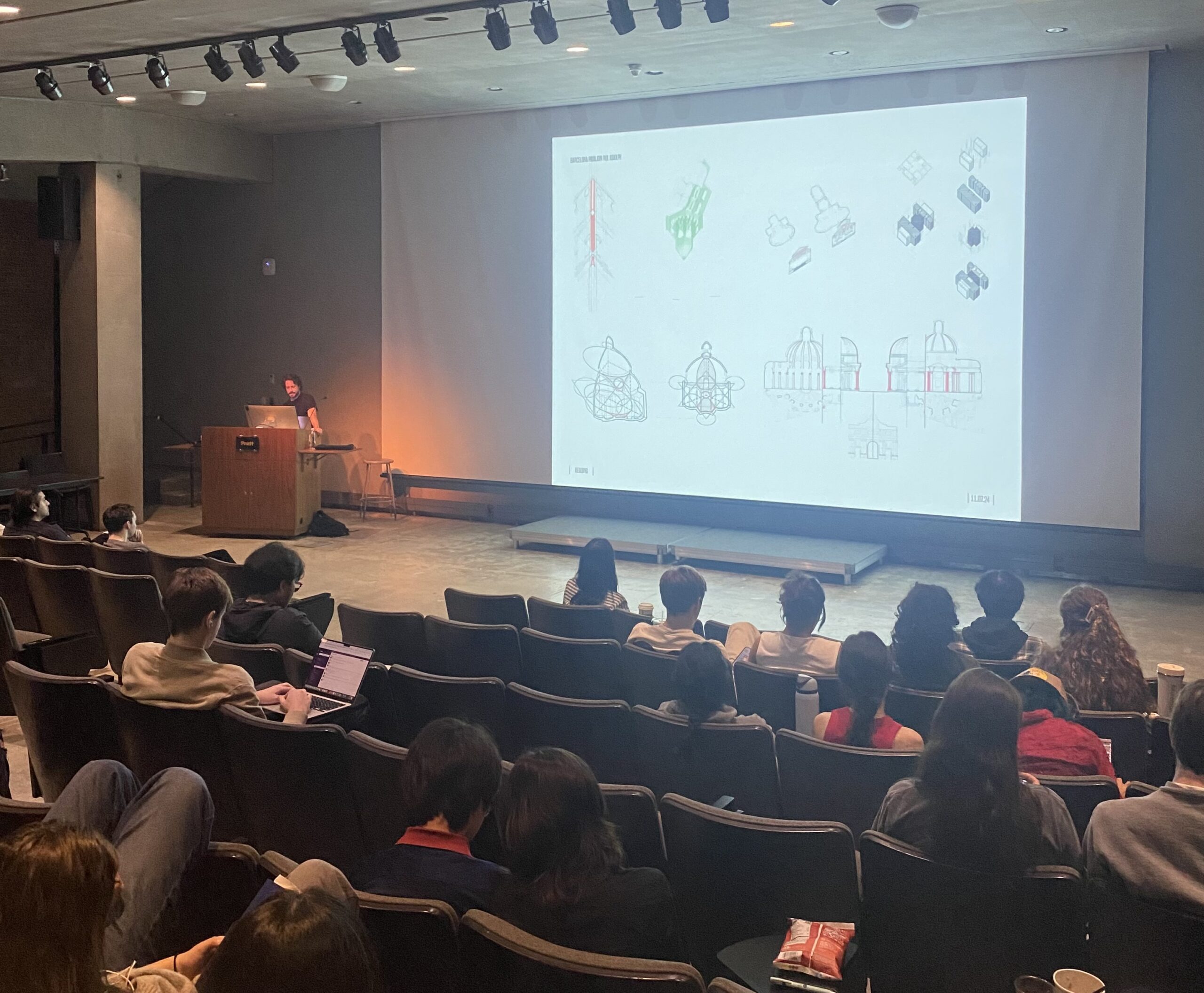
The Design Curriculum Analysis Program at Pratt Institute has emerged as a pivotal innovation in the assessment procedures of the Undergraduate Architecture department. Launched in the 2024-2025 academic year, this program introduces an engaging and critical evaluation process involving external critics, known as “Eminent Analysts”. These experts, chosen for their alignment with the academic year’s theme, are tasked with scrutinizing and enhancing the curriculum through their seasoned perspectives.
Each analyst is integrated into the studio’s culture, participating in midterm, final, and other significant reviews. Their role is not merely observational; they actively contribute to the studio’s dialogue, culminating in a presentation tailored to the studio’s focus. At the semester’s conclusion, a comprehensive feedback loop is established where the Analyst, studio coordinator, and department chairperson discuss insights and recommendations for future improvements.
This inaugural year has been marked by success, thanks in part to the diverse expertise of the 2024-2025 Analysts Cohort:
2024-2025 Analysts Cohort
Fall Semester: First Year Analyst, Nate Hume
Nate Hume, a Brooklyn-based architect and principal of Hume Architecture, brings a wealth of experience. His work features in esteemed publications such as Project, Log, and The New York Times. Hume’s exhibitions have graced venues like The Druker Gallery and Yale Architecture Gallery. As the creator of Suckerpunch, a platform exploring contemporary architecture and art, Hume’s contributions have been invaluable.
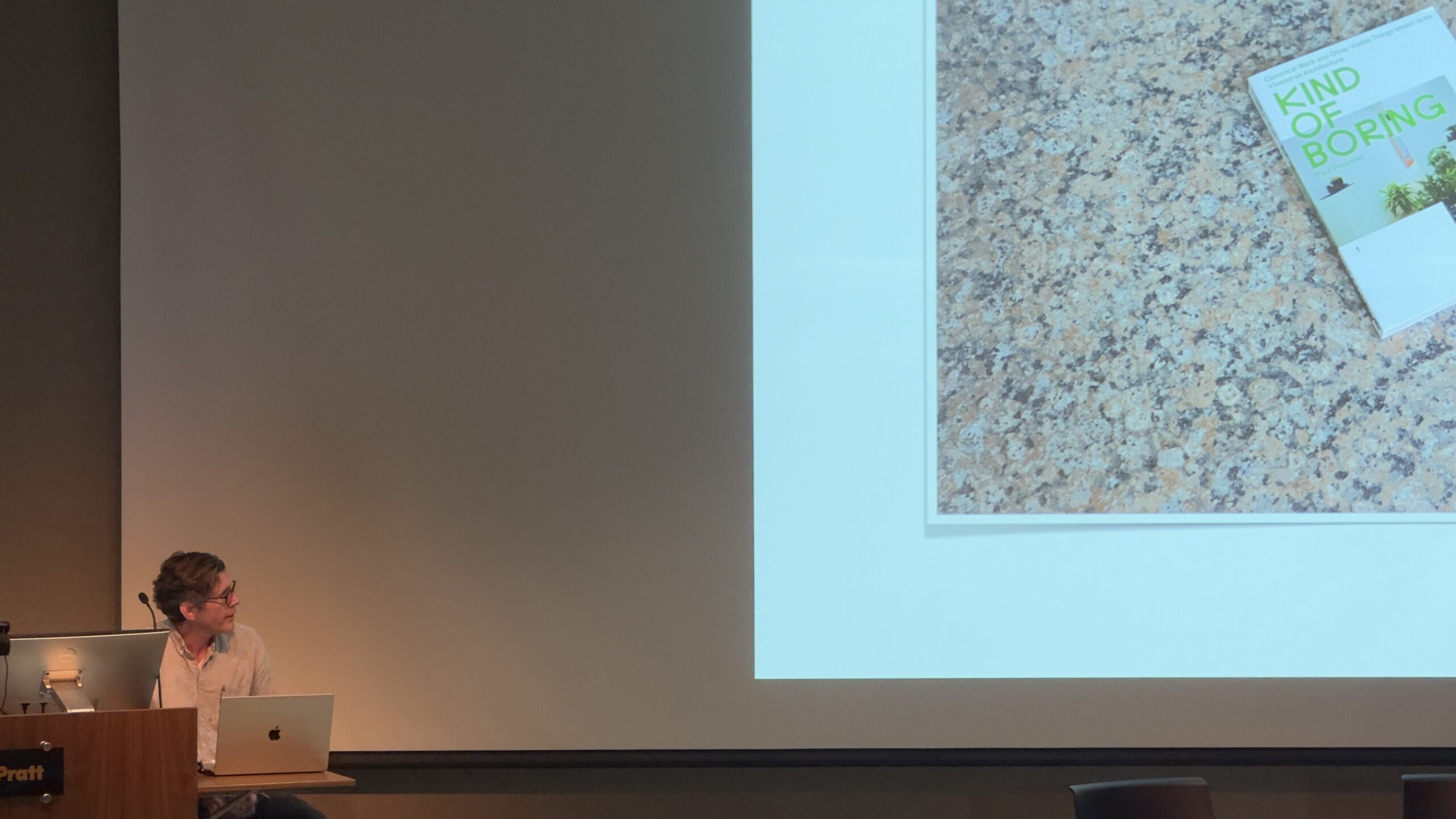
Fall Semester: Second Year Analyst, Paul Preissner
Paul Preissner, of Paul Preissner Architects in Oak Park, Illinois, served as commissioner and co-curator of the United States pavilion at the 17th International Architecture Exhibition – la Biennale di Venezia. His literary contributions include Kind of Boring: Canonical Work and Other Visible Things Meant to Be Viewed as Architecture and American Framing: The Same Something for Everyone.
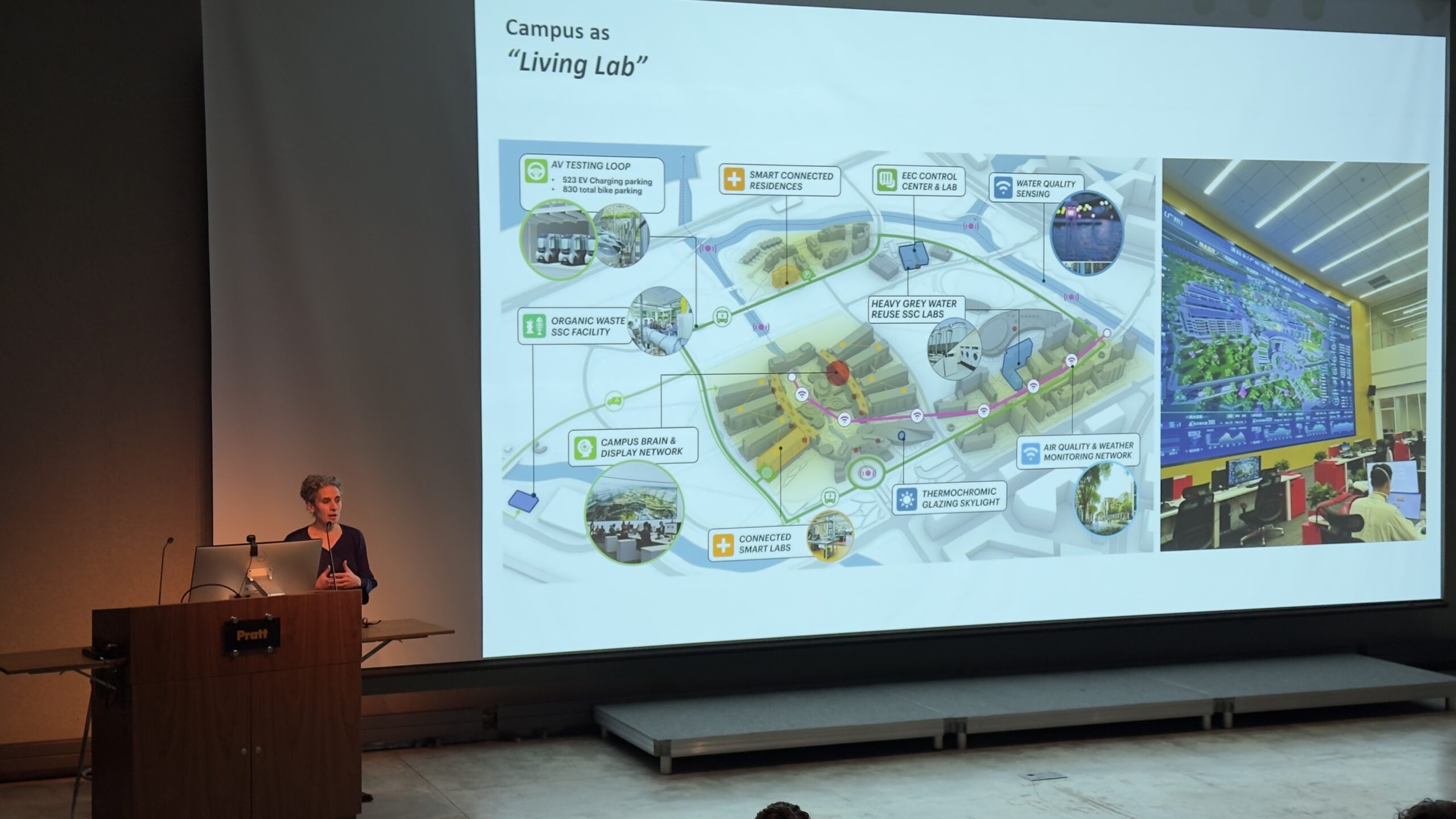
Spring Semester: Third Year Analyst, Hana Kassem
Hana Kassem, Principal at KPF, is renowned for her human-centric design approach. Her focus on sustainability, resiliency, and wellness is evident in her work and teaching at Parsons. She serves on the Van Alen Institute and the AIANY Board of Trustees and is the Founding Chair of the AIANY annual Leaning Out | Women in Architecture panel.
Spring Semester: Degree Project Analyst, Michael Young
Michael Young, an Associate Professor at The Irwin S. Chanin School of Architecture at the Cooper Union, is celebrated for his works, The Estranged Object and Reality Modeled After Images. His practice, Young & Ayata, boasts numerous accolades, including the Progressive Architecture award and the AIANY Honor Award.
For more detailed insights, visit the original article on Pratt Institute’s website. You can also explore more news from the School of Architecture and all Pratt news.
More Articles
Getting licensed or staying ahead in your career can be a journey—but it doesn’t have to be overwhelming. Grab your favorite coffee or tea, take a moment to relax, and browse through our articles. Whether you’re just starting out or renewing your expertise, we’ve got tips, insights, and advice to keep you moving forward. Here’s to your success—one sip and one step at a time!
Redfin forecasts a slow but meaningful return to normalcy in the U.S. housing market starting in 2026. Instead of a crash or a rapid correction, the year marks the beginning of a “Great Housing Reset” where affordability gradually improves, mortgage rates ease into the low‑6% range, home sales tick upward, and renters, buyers, and professionals finally feel less market pressure. From wage growth outpacing home prices to rising refi activity and the rise of AI‑powered real estate tools, 2026 is shaping up to be a foundational year for real estate careers and long‑term market stability.
Hurricane Melissa’s destruction in Jamaica highlights a growing global reality: climate risks are accelerating faster than insurance adoption. With more than 90% of disaster losses in developing regions going uninsured and a worldwide protection gap exceeding $1.8 trillion annually, experts warn that traditional insurance systems can no longer keep up. New models—like parametric payouts, community‑based aggregation and bundled climate tools—are emerging, but governments and corporations must step in to prevent financial shocks from destabilizing entire economies.
Gravis Robotics, a Zurich-based startup, just raised $23 million to bring autonomous tech to construction sites facing a massive operator shortage. As demand surges for renewable energy projects, data centers, and new housing, Gravis retrofits traditional heavy machinery with AI-driven systems that can work autonomously or via remote guidance. With trials already underway across seven countries, the company is pushing a future where humans and robots collaborate — speeding up development timelines and reshaping industries from construction to real estate.
Zillow has quietly removed its climate‑risk scores after months of pressure from agents, homeowners, and listing services who said the warnings were scaring off buyers. The move has sparked a national debate: Is this a win for real estate sales or a setback for consumer transparency? Critics warn that without clear climate‑risk data, families could be “flying blind” into costly surprises like insurance spikes and flood damage. As climate impacts intensify and disclosure expectations rise, real estate professionals must stay informed—because whether Zillow shows the data or not, the risks aren’t going anywhere.
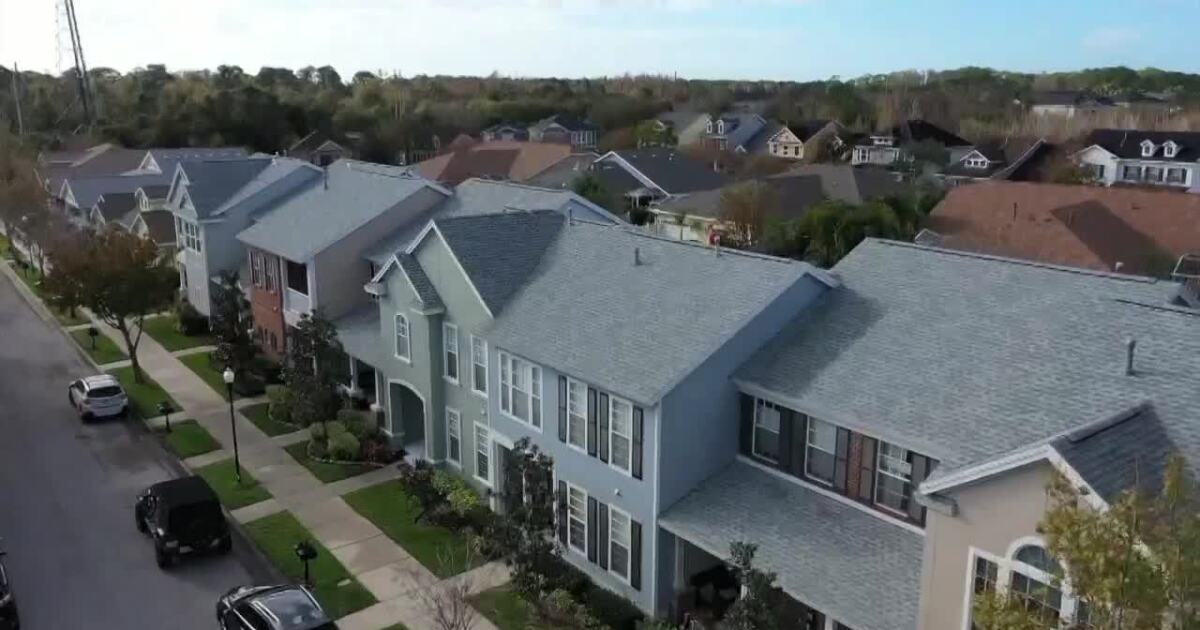
Florida’s property insurance crisis is becoming the defining issue heading into the 2026 election season. Republicans argue that recent reforms are finally stabilizing the market, pointing to reduced litigation and cooling reinsurance costs. Democrats counter that families are still facing unbearable premiums, with condo prices dropping over 8% and Floridians paying some of the highest insurance rates in the nation. As lawmakers prepare to return to Tallahassee, the future of insurance reform is set to become the central political fight—one that will directly impact homeowners, investors, and real estate professionals across the state.
Connectivity has become one of the most powerful differentiators in today’s real estate market. As smart buildings, automation, and sustainability demands accelerate, fiber networks are replacing outdated copper systems and reshaping property value. With lower energy use, unified smart‑building capabilities, reduced long‑term costs, and stronger tenant satisfaction, digital infrastructure is now central to investment strategy. Real estate professionals who understand this shift gain a competitive edge as the industry moves toward cleaner, smarter, more connected buildings.