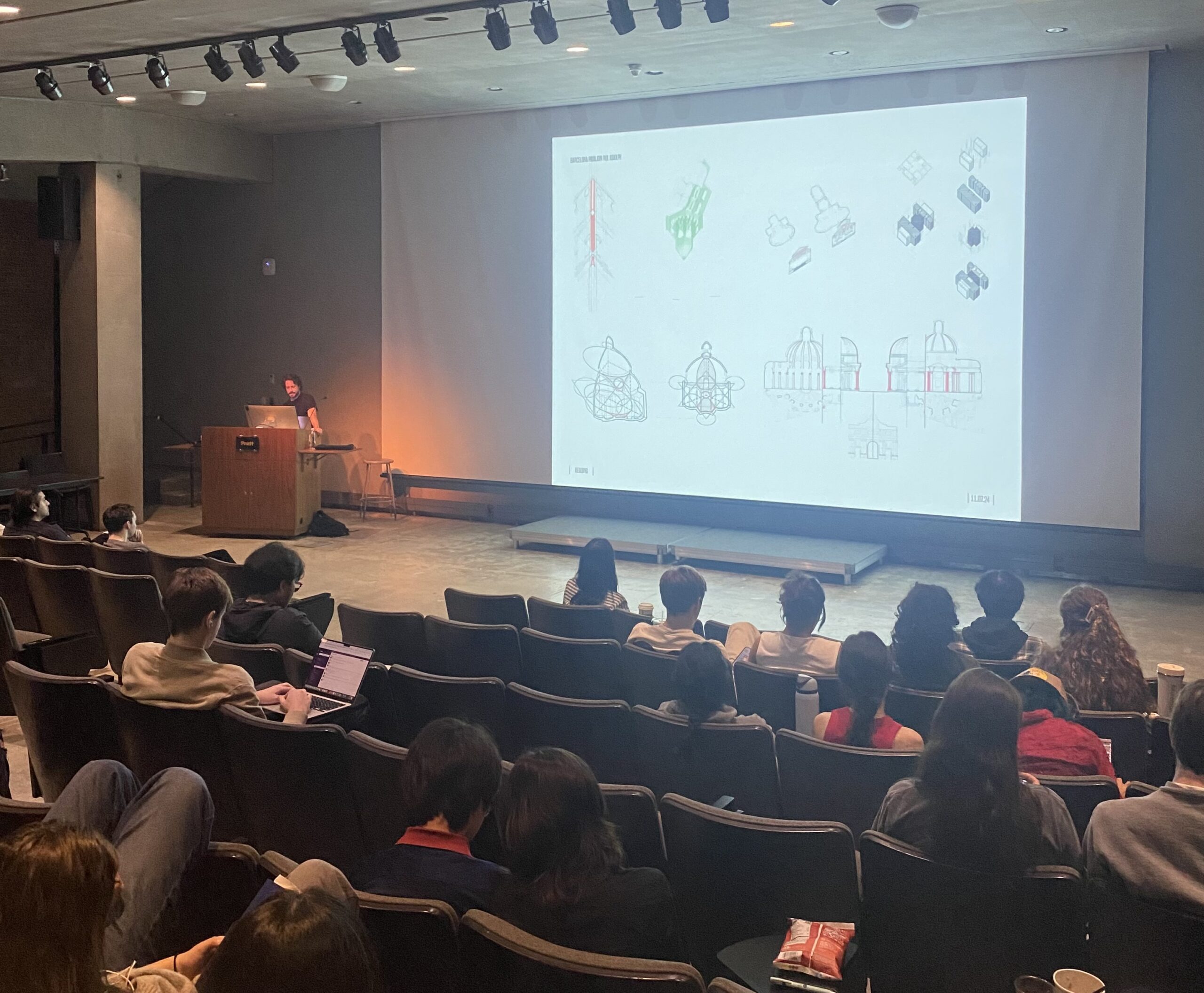
The Design Curriculum Analysis Program at Pratt Institute has emerged as a pivotal innovation in the assessment procedures of the Undergraduate Architecture department. Launched in the 2024-2025 academic year, this program introduces an engaging and critical evaluation process involving external critics, known as “Eminent Analysts”. These experts, chosen for their alignment with the academic year’s theme, are tasked with scrutinizing and enhancing the curriculum through their seasoned perspectives.
Each analyst is integrated into the studio’s culture, participating in midterm, final, and other significant reviews. Their role is not merely observational; they actively contribute to the studio’s dialogue, culminating in a presentation tailored to the studio’s focus. At the semester’s conclusion, a comprehensive feedback loop is established where the Analyst, studio coordinator, and department chairperson discuss insights and recommendations for future improvements.
This inaugural year has been marked by success, thanks in part to the diverse expertise of the 2024-2025 Analysts Cohort:
2024-2025 Analysts Cohort
Fall Semester: First Year Analyst, Nate Hume
Nate Hume, a Brooklyn-based architect and principal of Hume Architecture, brings a wealth of experience. His work features in esteemed publications such as Project, Log, and The New York Times. Hume’s exhibitions have graced venues like The Druker Gallery and Yale Architecture Gallery. As the creator of Suckerpunch, a platform exploring contemporary architecture and art, Hume’s contributions have been invaluable.
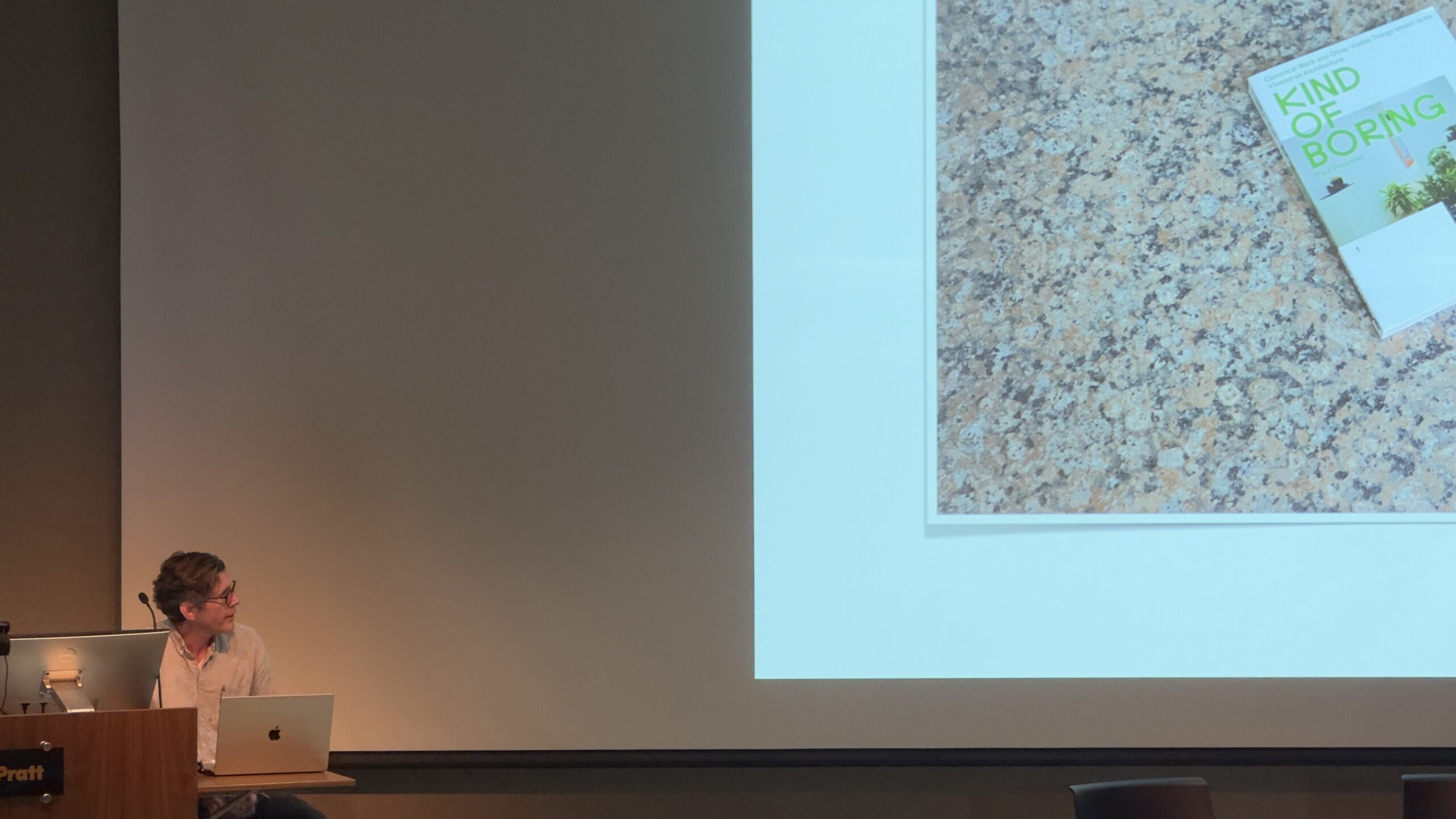
Fall Semester: Second Year Analyst, Paul Preissner
Paul Preissner, of Paul Preissner Architects in Oak Park, Illinois, served as commissioner and co-curator of the United States pavilion at the 17th International Architecture Exhibition – la Biennale di Venezia. His literary contributions include Kind of Boring: Canonical Work and Other Visible Things Meant to Be Viewed as Architecture and American Framing: The Same Something for Everyone.
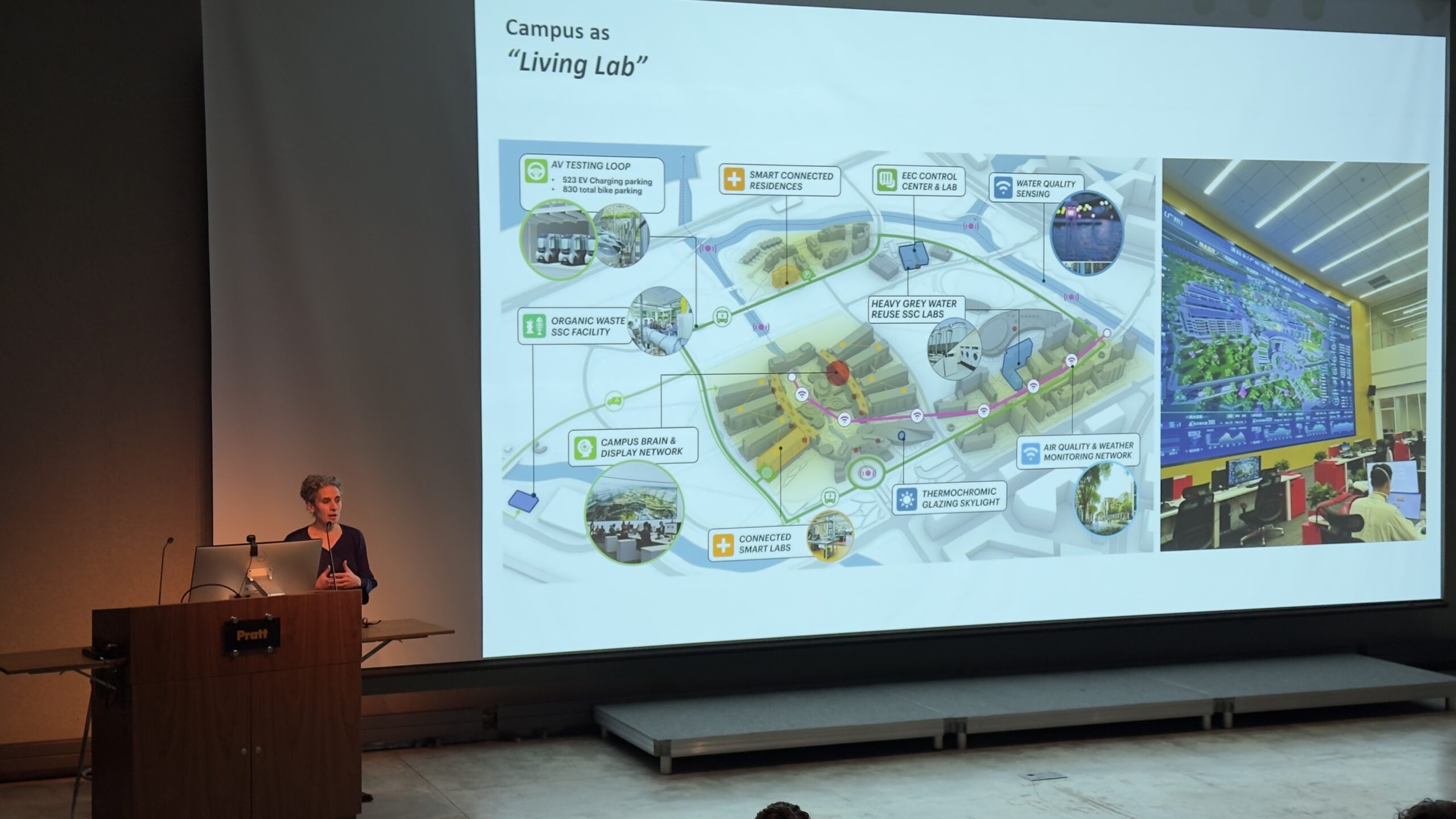
Spring Semester: Third Year Analyst, Hana Kassem
Hana Kassem, Principal at KPF, is renowned for her human-centric design approach. Her focus on sustainability, resiliency, and wellness is evident in her work and teaching at Parsons. She serves on the Van Alen Institute and the AIANY Board of Trustees and is the Founding Chair of the AIANY annual Leaning Out | Women in Architecture panel.
Spring Semester: Degree Project Analyst, Michael Young
Michael Young, an Associate Professor at The Irwin S. Chanin School of Architecture at the Cooper Union, is celebrated for his works, The Estranged Object and Reality Modeled After Images. His practice, Young & Ayata, boasts numerous accolades, including the Progressive Architecture award and the AIANY Honor Award.
For more detailed insights, visit the original article on Pratt Institute’s website. You can also explore more news from the School of Architecture and all Pratt news.
Select options
This product has multiple variants. The options may be chosen on the product page
Details
More Articles
Getting licensed or staying ahead in your career can be a journey—but it doesn’t have to be overwhelming. Grab your favorite coffee or tea, take a moment to relax, and browse through our articles. Whether you’re just starting out or renewing your expertise, we’ve got tips, insights, and advice to keep you moving forward. Here’s to your success—one sip and one step at a time!
The debut episode of NAR’s Change Agents podcast highlights why real estate expertise is more valuable than ever in an AI-driven world. eXp Realty CEO Leo Pareja explains that while technology accelerates communication and connections, consumers still rely on seasoned professionals to guide them through life’s biggest financial decisions. From the Everest analogy to real-world AI success stories, the conversation reveals how trust, transparency, and expert guidance remain the core of the real estate experience.
U.S. 30‑year mortgage rates have dipped to 5.98%, breaking below 6% for the first time since 2022. This third consecutive weekly decline signals a potentially energized spring buying season as lower Treasury yields and easing market anxiety push rates down. Buyers, sellers, and real estate professionals may see renewed activity as affordability slightly improves and refinancing picks up momentum.
A sweeping federal reporting requirement is about to impact how companies, trusts, investors, and even cash buyers purchase residential real estate. FinCEN’s new rule closes long‑standing loopholes that allowed anonymous all‑cash property deals, requiring many entity-based buyers to disclose their true beneficial owners. Real estate agents, brokers, and advisors should brace for workflow changes and increased compliance responsibilities, while investors are urged to review their acquisition structures now to avoid delays once the rule takes effect.
After briefly dipping below 6 percent for the first time in years, mortgage rates have surged again following U.S.-Israeli military strikes on Iran. Rising oil prices and a jump in Treasury yields have pushed the average 30-year fixed rate back to 6.12 percent, creating fresh uncertainty just as the spring housing market was gaining traction. Experts warn that continued geopolitical instability could keep rates elevated, while upcoming U.S. employment data may determine whether relief is on the horizon for buyers and sellers.
New 2026 data reveals that the average life insurance policy costs just 26 dollars a month—less than most lunch outings—making it more affordable than many professionals expect. Rates vary based on age, health, gender, smoking habits, and term length, with younger and healthier applicants paying significantly less. As real estate, mortgage, insurance, and finance professionals plan long-term financial stability, understanding these pricing factors is crucial.