In the bustling metropolises of
Dubai and
Karachi, high-rise projects have become the architectural epitome of
modernity and
economic growth. These towering structures are not just feats of engineering; they are symbols of urban development, reshaping city skylines and redefining real estate landscapes. However, as competition intensifies, developers are turning to
innovative marketing strategies to ensure their projects stand out in these vibrant markets.
One of the key strategies highlighted in a recent
LinkedIn article by Muhammad Asif, is the use of
digital marketing and establishing a robust online presence. Platforms like Facebook, Instagram, and LinkedIn have become indispensable tools for reaching potential buyers. Developers leverage these platforms to create engaging content that showcases the unique features of their high-rise projects. The use of high-quality images, virtual tours, and client testimonials has proven effective in capturing the interest of a broad audience. For instance, iconic projects such as the
Burj Khalifa in Dubai have successfully used social media to maintain a buzz around their developments.
In addition to social media,
influencer partnerships have emerged as a powerful strategy. Collaborating with influencers who have significant followings can help developers reach a wider audience. These influencers offer authentic reviews and showcase the lifestyle these high-rise projects offer. In Karachi, partnering with local celebrities or lifestyle bloggers can create a positive impact and drive interest among potential buyers.
Moreover, developers are embracing
Virtual Reality (VR) and
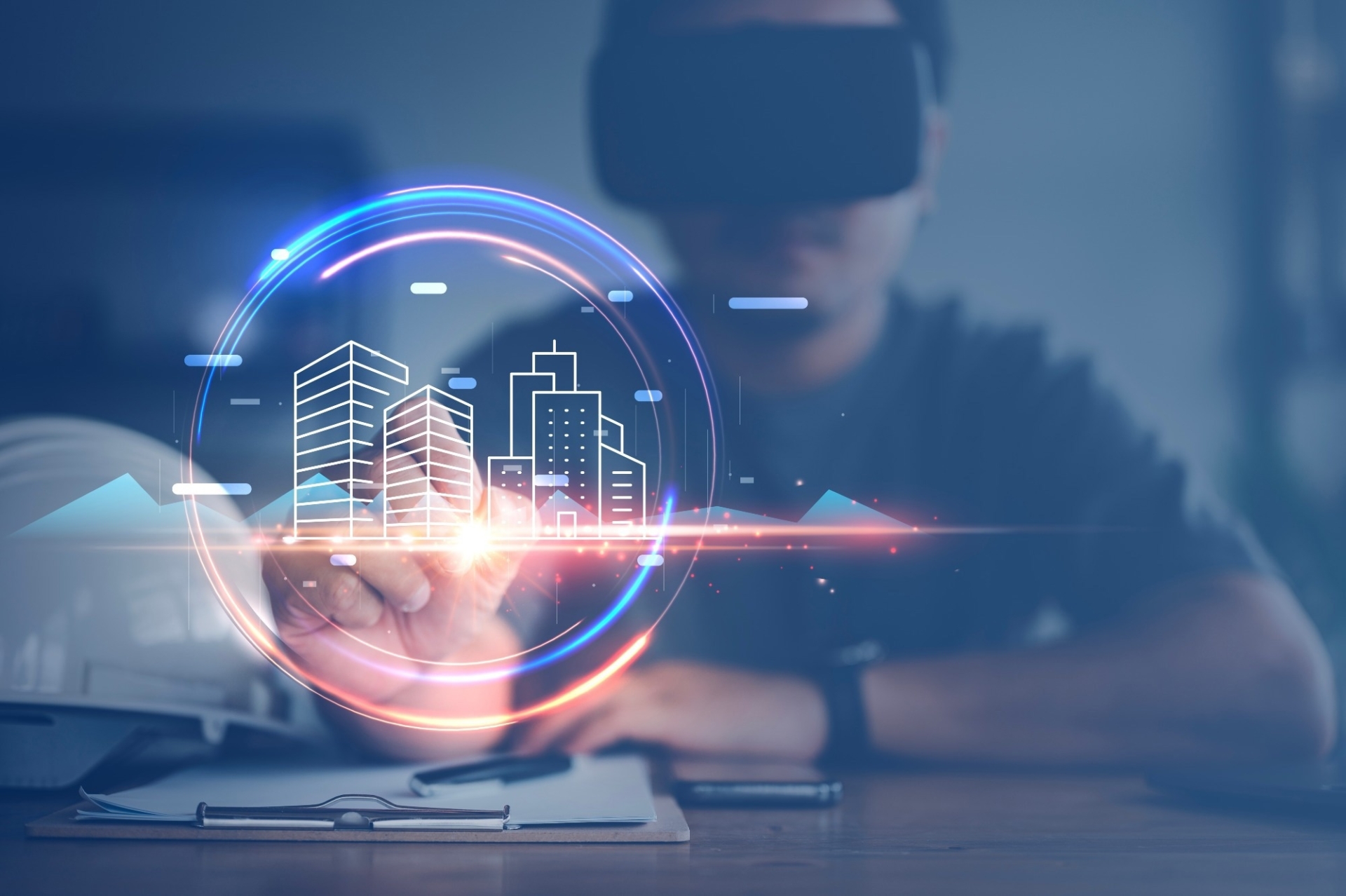
Augmented Reality (AR) technologies to provide prospective buyers with immersive experiences. Virtual tours allow buyers to explore properties from the comfort of their homes, viewing different layouts and even customizing interiors. This technology is particularly beneficial for international buyers who cannot visit the sites physically. Developers in Dubai have been pioneers in incorporating VR and AR into their marketing strategies, setting a benchmark for others to follow.
Another innovative approach is
content marketing and storytelling. By crafting compelling narratives around their projects, developers can build an emotional connection with potential buyers. Highlighting the history, vision, and unique aspects of a project can make it more relatable. For example, the transformation of
Palm Jumeirah into a luxurious residential area has been a significant selling point in Dubai.
Strategic partnerships and collaborations also play a crucial role. Collaborating with local businesses, international brands, and renowned architects can enhance a project’s appeal. For instance, Dubai’s collaboration with international brands for projects like Armani Residences has set a precedent for such partnerships.
Finally, the focus on
sustainability and
green building practices is gaining traction. Highlighting eco-friendly features and sustainability initiatives can attract environmentally conscious buyers. Projects like
The Sustainable City in Dubai have gained popularity due to their focus on sustainability.
In conclusion, these
innovative marketing strategies are not just about enhancing visibility; they are about building trust and creating a lasting impact on the target audience. By adopting these strategies, developers in Dubai and Karachi can ensure their high-rise projects stand out in the bustling real estate market.