In the bustling metropolises of Dubai and Karachi, high-rise projects have become the architectural epitome of modernity and economic growth. These towering structures are not just feats of engineering; they are symbols of urban development, reshaping city skylines and redefining real estate landscapes. However, as competition intensifies, developers are turning to innovative marketing strategies to ensure their projects stand out in these vibrant markets.

One of the key strategies highlighted in a recent LinkedIn article by Muhammad Asif, is the use of digital marketing and establishing a robust online presence. Platforms like Facebook, Instagram, and LinkedIn have become indispensable tools for reaching potential buyers. Developers leverage these platforms to create engaging content that showcases the unique features of their high-rise projects. The use of high-quality images, virtual tours, and client testimonials has proven effective in capturing the interest of a broad audience. For instance, iconic projects such as the Burj Khalifa in Dubai have successfully used social media to maintain a buzz around their developments.

In addition to social media, influencer partnerships have emerged as a powerful strategy. Collaborating with influencers who have significant followings can help developers reach a wider audience. These influencers offer authentic reviews and showcase the lifestyle these high-rise projects offer. In Karachi, partnering with local celebrities or lifestyle bloggers can create a positive impact and drive interest among potential buyers.

Moreover, developers are embracing Virtual Reality (VR) and Augmented Reality (AR) technologies to provide prospective buyers with immersive experiences. Virtual tours allow buyers to explore properties from the comfort of their homes, viewing different layouts and even customizing interiors. This technology is particularly beneficial for international buyers who cannot visit the sites physically. Developers in Dubai have been pioneers in incorporating VR and AR into their marketing strategies, setting a benchmark for others to follow.

Another innovative approach is content marketing and storytelling. By crafting compelling narratives around their projects, developers can build an emotional connection with potential buyers. Highlighting the history, vision, and unique aspects of a project can make it more relatable. For example, the transformation of Palm Jumeirah into a luxurious residential area has been a significant selling point in Dubai.

Strategic partnerships and collaborations also play a crucial role. Collaborating with local businesses, international brands, and renowned architects can enhance a project’s appeal. For instance, Dubai’s collaboration with international brands for projects like Armani Residences has set a precedent for such partnerships.

Finally, the focus on sustainability and green building practices is gaining traction. Highlighting eco-friendly features and sustainability initiatives can attract environmentally conscious buyers. Projects like The Sustainable City in Dubai have gained popularity due to their focus on sustainability.

In conclusion, these innovative marketing strategies are not just about enhancing visibility; they are about building trust and creating a lasting impact on the target audience. By adopting these strategies, developers in Dubai and Karachi can ensure their high-rise projects stand out in the bustling real estate market.


More Articles

Getting licensed or staying ahead in your career can be a journey—but it doesn’t have to be overwhelming. Grab your favorite coffee or tea, take a moment to relax, and browse through our articles. Whether you’re just starting out or renewing your expertise, we’ve got tips, insights, and advice to keep you moving forward. Here’s to your success—one sip and one step at a time!

Florida’s Insurance Wake‑Up Call: Why Reading Your Policy Matters More Than You Think

Many Floridians are discovering after major hurricanes that what they assumed was covered by their insurance simply isn’t. With more than 100,000 claims denied or closed without payment and widespread confusion over gaps like flood versus hurricane coverage, experts warn that the fine print can hit harder than the storm itself. As premiums rise and policies grow more complex, understanding what’s actually protected has become essential for homeowners and real estate professionals alike.

The Strongest October Housing Market in 3 Years: What Zillow’s New Report Means for Today’s Pros

A new report from Zillow shows the U.S. just experienced its strongest October housing market since 2021, with inventory rising, affordability improving, and both new listings and pending sales up 5% year-over-year. Nineteen major markets now favor buyers—nine more than last year—as mortgage rates ease, inventory rebounds, and home values level off. For real estate professionals, especially in Florida, these shifts signal a market gaining momentum heading into 2025 and beyond.

Top Commercial Real Estate Issues to Watch in 2026

Commercial real estate is heading into 2026 with major shifts in policy, technology, investment flows, and market fundamentals. From tightening capital sources and AI-driven decision-making to nationwide housing shortages and a looming wave of maturing debt, professionals across real estate, finance, insurance, and development must adapt quickly. These trends will shape opportunities, risks, and required skills in the year ahead—making strategic education and licensing upgrades more important than ever.

Wall Street on Edge After Cyberattack Exposes Sensitive Real Estate and Mortgage Data

A major cyberattack on real‑estate data giant SitusAMC has triggered emergency responses across Wall Street, exposing sensitive loan records and legal documents tied to major banks like JPMorgan and Citigroup. While operations have been restored, the breach highlights critical weaknesses in third‑party vendors that support the nation’s real‑estate and mortgage infrastructure. Federal investigators and financial institutions are now racing to assess the fallout as experts warn of long‑term risks to the digital systems underpinning multi‑trillion‑dollar lending markets.

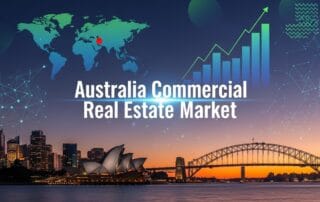
Australia’s Commercial Real Estate Market Is Transforming — What Professionals Need to Know Now

Australia’s commercial real estate sector is undergoing a major long‑term shift driven by hybrid work, booming logistics demand, sustainability priorities and evolving global capital flows. With the market projected to grow from USD 11.96 billion in 2024 to USD 21.03 billion by 2033, the biggest opportunities are emerging in industrial assets, ESG‑certified buildings, flexible workspaces and adaptive reuse projects. These trends echo changes developing in the U.S.—including Florida—making Australia a valuable case study for professionals watching the future of commercial real estate.

How Chat‑Based AI Is Revolutionizing Real Estate Listing Photos

A new wave of chat‑driven AI tools is transforming how agents market properties by letting them edit listing photos simply by describing what they want changed. From removing clutter to adjusting lighting or staging entire rooms, professionals can now showcase a unit’s full potential long before it’s camera‑ready. This technology boosts efficiency for property managers, enhances buyer engagement through interactive visuals, and underscores the importance of transparency as AI becomes a core part of real estate marketing.