As we inch closer to
2034, the
housing market is poised for a transformative journey, shaped by the forces of technology, demographics, and economic shifts. According to a recent exploration by
Norada Real Estate Investments, the
real estate landscape will be redefined by these dynamic elements, offering both challenges and opportunities.
Demographic Shifts and Housing Demand
The US Census Bureau projects that by 2030, all baby boomers will be over 65, representing 21% of the population. This aging demographic is expected to drive demand for
age-friendly homes with features like single-story layouts and wider doorways. Additionally, trends such as downsizing and multi-generational living will significantly alter housing preferences.
Technological Advancements
The rapid pace of technological innovation is set to revolutionize the
housing market. Virtual and augmented reality will make house hunting a predominantly digital experience, while AI and machine learning will streamline property valuations and mortgage processes. Smart home technology will become standard, integrating IoT devices for enhanced energy efficiency and security.
Climate Change and Sustainability
With climate change concerns intensifying, the
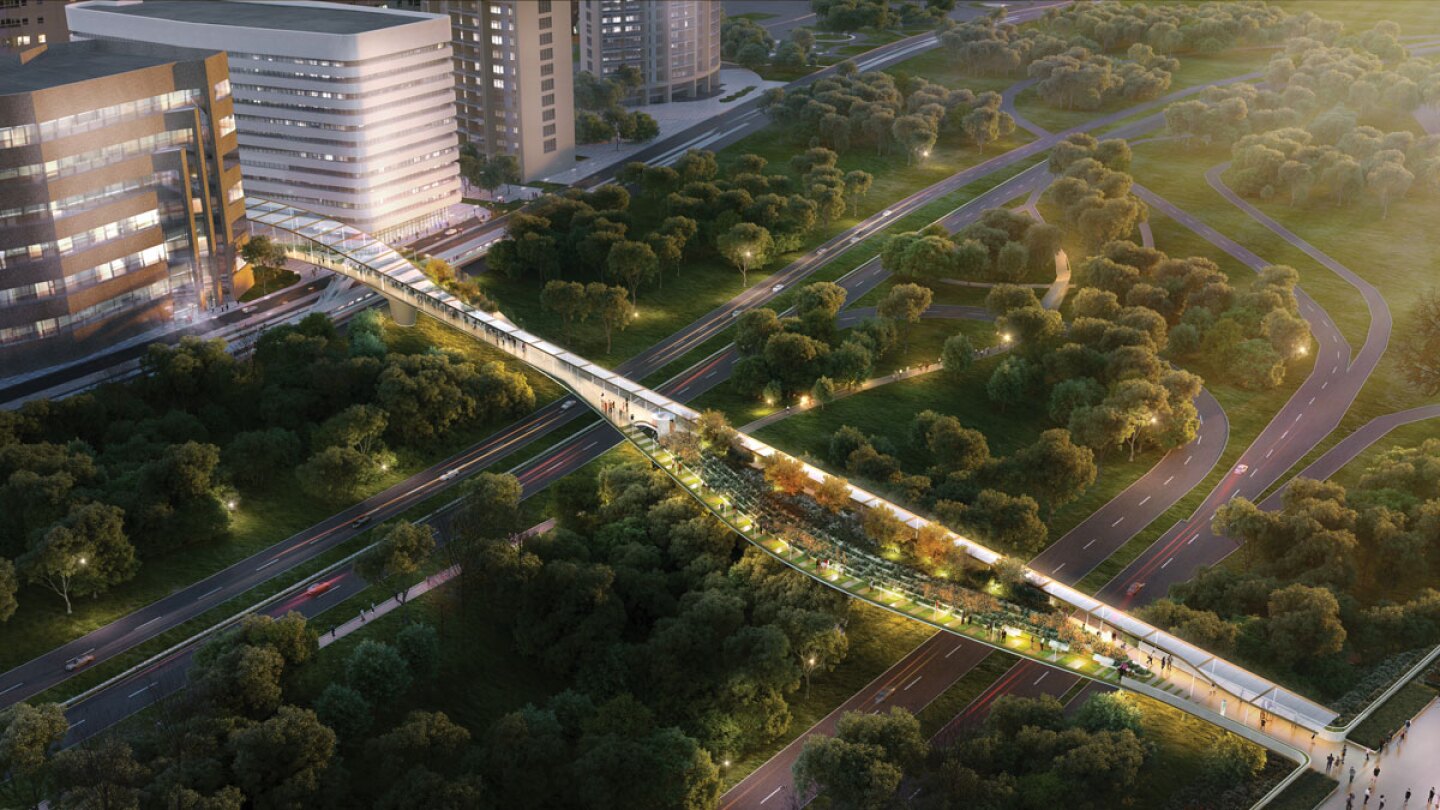
housing market will prioritize sustainability. Expect a surge in demand for energy-efficient homes with solar panels and smart energy systems. Urban planning will focus on mixed-use developments to reduce carbon footprints, while green building materials will become more prevalent.
Evolving Work Patterns
The COVID-19 pandemic has accelerated the shift towards remote work, impacting housing demand. Home office spaces will become a standard feature, and the revival of suburban and rural areas will offer larger homes with flexible living spaces.
Economic Factors and Affordability
Housing affordability remains a critical issue. Interest rates, income inequality, and government policies will play pivotal roles in shaping the market. Innovative financing models like rent-to-own schemes may address affordability concerns.
Urban Development and Redevelopment
Cities will undergo significant changes, focusing on densification and adaptive reuse of commercial spaces. The concept of 15-minute cities, prioritizing walkability and access to essential services, may influence urban development patterns.
Regional Shifts and Migration Patterns
Climate migration and the emergence of new economic hubs will lead to regional shifts in housing demand. Areas offering high quality of life and resilience to climate change are likely to see increased demand.
The Evolution of Real Estate Services
The real estate industry will evolve, potentially reducing the need for human intermediaries with AI-powered agents. Blockchain technology could streamline property transactions, enhancing transparency and reducing fraud.
Challenges and Opportunities
The
2034 housing market will face challenges such as affordability and climate change, but it also presents opportunities. Leveraging technology for sustainable housing solutions and developing innovative financing models will be key to navigating the evolving landscape.
The original article by Norada Real Estate Investments offers a comprehensive look at these future trends, providing valuable insights for homeowners, investors, and industry professionals as they prepare for the decade ahead.