In a healthcare landscape where competition is as fierce as ever, hospitals are deploying groundbreaking strategies to attract top-tier nursing talent. As the nursing shortage reaches critical levels, innovative recruitment tactics have become more than just a perk—they are essential tools in the race to build a skilled workforce.
Nursing vacancies have surged to 17%, more than doubling pre-pandemic levels, prompting hospitals to go beyond mere salary increases and benefits enhancements. According to a recent Medscape article, hospitals are enticing nurses with substantial signing bonuses, flexible work schedules, and other creative incentives.

Signing Bonuses and Flexible Scheduling


Among the most eye-catching incentives are signing bonuses, with nearly 18% of job openings advertising this perk. The average signing bonus for registered nurses (RNs) has soared above $11,000. A standout example is Palomar Health, which offered eligible RNs a staggering $100,000 bonus, paid over three years.
Hospitals are also embracing flexible scheduling. This approach is not only attractive to new and experienced RNs but could also lure back nurses who have left clinical practice. The American Nurses Foundation report highlights that 45% of nurses who exited clinical roles would consider returning if self-scheduling were implemented.

Hiring Beyond Borders


Despite these enticing offers, some hospitals still struggle to fill positions, turning to international recruitment. Data from KFF shows that 32% of hospitals hired foreign-educated RNs in 2022, a significant increase from 2010. However, Jennifer Mensik Kennedy, President of the American Nurses Association, warns that relying on international recruitment is not a sustainable long-term solution. She advocates for focusing on retention through fostering healthy work environments and updating payment models.

Retention: The Other Half of the Equation


Retaining nursing staff is equally crucial. A significant portion of new nurses—33%—leave the profession within two years. To combat this, many hospitals have launched retention programs. Lifepoint Health’s Nurse Residency Program is one such initiative, offering mentorship and training to help new graduates transition into clinical practice. This program has successfully recruited 750 new nurses, and plans are underway for a two-year fellowship program to further support professional development.
The Reimagining Nursing Initiative by the American Nurses Foundation aims to modernize nurses’ reimbursement structures, ensuring they feel valued and adequately compensated.
In conclusion, attracting and retaining top nursing talent goes beyond merely filling vacancies. It is about building a healthcare system where nurses can thrive, ultimately benefiting the communities they serve.

More Articles

Getting licensed or staying ahead in your career can be a journey—but it doesn’t have to be overwhelming. Grab your favorite coffee or tea, take a moment to relax, and browse through our articles. Whether you’re just starting out or renewing your expertise, we’ve got tips, insights, and advice to keep you moving forward. Here’s to your success—one sip and one step at a time!

2025 Commercial Real Estate Outlook: Navigating a New Era

The commercial real estate landscape is on the brink of transformation as leaders seek to navigate the challenges of recent years and position their organizations for future opportunities.

The Emerging Mental Health Crisis Among Healthcare Workers During the COVID-19 Pandemic

The pandemic has ushered in a wave of mental health challenges that affect healthcare workers profoundly. From the onset of COVID-19, these professionals have been at the forefront, facing immense pressure, long hours, and the constant fear of exposure.

By |December 18, 2024|Categories: Article, Healthcare Workers, Mental Health|Tags: , |0 Comments

Ethical Concerns of Large Language Models in Healthcare

Exploring the dual nature of LLMs offers substantial benefits in healthcare but also raises significant ethical concerns, underscoring the need for well-defined guidelines and human oversight.

The Role of Wearable Devices in Chronic Disease Monitoring and Patient Care: A Comprehensive Review

Wearable devices have become integral in managing chronic conditions by providing continuous health data, empowering patients and healthcare professionals with insights that were previously unattainable.

AI Training Mandates: Navigating Legal Waters in Dentistry

The integration of artificial intelligence (AI) into dental practices is more than a technological trend; it represents a seismic shift in the industry. This transformation is reshaping skill sets and prompting a thorough examination of legal and ethical implications.

By |December 17, 2024|Categories: Article, Legal, Technology|Tags: , |0 Comments

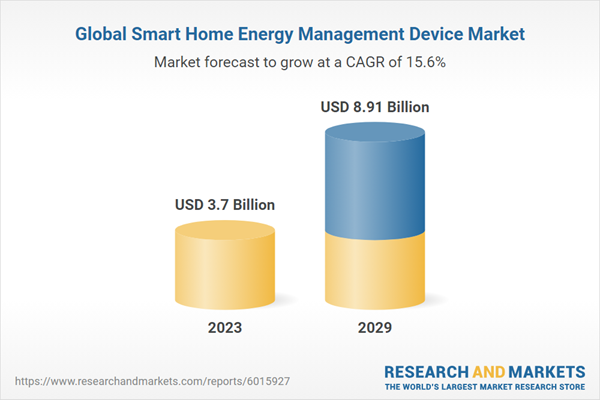
Smart Home Energy Management Devices: A Market Poised for Growth

The Global Smart Home Energy Management Device Market is on the brink of a significant transformation, driven by escalating demands for energy-efficient solutions and the increasing adoption of smart home technologies.