In a healthcare landscape where competition is as fierce as ever, hospitals are deploying groundbreaking strategies to attract top-tier nursing talent. As the nursing shortage reaches critical levels, innovative recruitment tactics have become more than just a perk—they are essential tools in the race to build a skilled workforce.
Nursing vacancies have surged to 17%, more than doubling pre-pandemic levels, prompting hospitals to go beyond mere salary increases and benefits enhancements. According to a recent Medscape article, hospitals are enticing nurses with substantial signing bonuses, flexible work schedules, and other creative incentives.

Signing Bonuses and Flexible Scheduling


Among the most eye-catching incentives are signing bonuses, with nearly 18% of job openings advertising this perk. The average signing bonus for registered nurses (RNs) has soared above $11,000. A standout example is Palomar Health, which offered eligible RNs a staggering $100,000 bonus, paid over three years.
Hospitals are also embracing flexible scheduling. This approach is not only attractive to new and experienced RNs but could also lure back nurses who have left clinical practice. The American Nurses Foundation report highlights that 45% of nurses who exited clinical roles would consider returning if self-scheduling were implemented.

Hiring Beyond Borders


Despite these enticing offers, some hospitals still struggle to fill positions, turning to international recruitment. Data from KFF shows that 32% of hospitals hired foreign-educated RNs in 2022, a significant increase from 2010. However, Jennifer Mensik Kennedy, President of the American Nurses Association, warns that relying on international recruitment is not a sustainable long-term solution. She advocates for focusing on retention through fostering healthy work environments and updating payment models.

Retention: The Other Half of the Equation


Retaining nursing staff is equally crucial. A significant portion of new nurses—33%—leave the profession within two years. To combat this, many hospitals have launched retention programs. Lifepoint Health’s Nurse Residency Program is one such initiative, offering mentorship and training to help new graduates transition into clinical practice. This program has successfully recruited 750 new nurses, and plans are underway for a two-year fellowship program to further support professional development.
The Reimagining Nursing Initiative by the American Nurses Foundation aims to modernize nurses’ reimbursement structures, ensuring they feel valued and adequately compensated.
In conclusion, attracting and retaining top nursing talent goes beyond merely filling vacancies. It is about building a healthcare system where nurses can thrive, ultimately benefiting the communities they serve.

More Articles

Getting licensed or staying ahead in your career can be a journey—but it doesn’t have to be overwhelming. Grab your favorite coffee or tea, take a moment to relax, and browse through our articles. Whether you’re just starting out or renewing your expertise, we’ve got tips, insights, and advice to keep you moving forward. Here’s to your success—one sip and one step at a time!

Florida’s Property Insurance Crossroads: Stability Ahead or Another Storm Brewing?

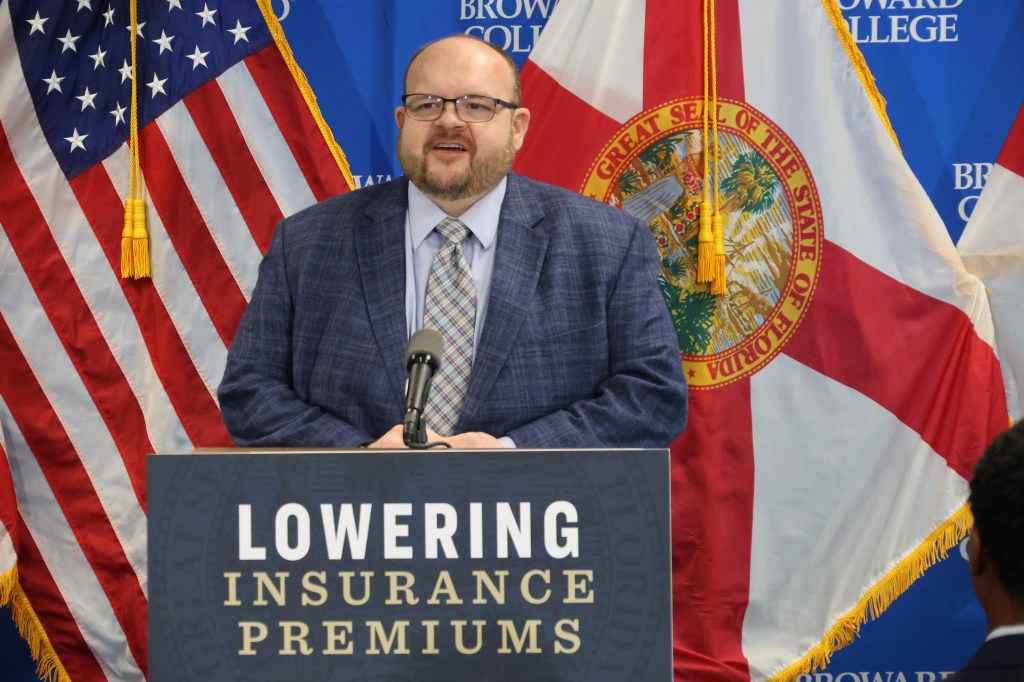
Florida’s property insurance market is finally showing signs of recovery after years of soaring premiums, litigation chaos, and insurer withdrawals. With rate increases now the lowest in the nation, Citizens Insurance shrinking, and new carriers re‑entering the state, Insurance Commissioner Michael Yaworsky says the market is turning a corner. But while stabilization is underway, many homeowners are still asking why premiums haven’t dropped—and the answer lies in skyrocketing replacement costs, not rates. As reforms continue and AI, transparency rules, and mitigation incentives expand, real estate and insurance professionals should prepare for an evolving landscape that directly impacts affordability, buyer behavior, and long‑term market confidence.

NAMB President Unveils Bold Plan to Tackle America’s Housing Affordability Crisis

In a candid conversation with Mortgage Professional America, NAMB president Kimber White lays out a series of structural reforms aimed at restoring homeownership access for millions of Americans. From revitalizing down payment assistance to rethinking loan-level price adjustments and incentivizing builders, White argues that meaningful affordability relief is achievable—but only through coordinated policy changes that address both costs and inventory shortages.

AI Regulation Showdown: States vs. Federal Government in the Insurance Industry

Artificial intelligence is rapidly transforming the insurance world, but a major power struggle is unfolding over who gets to regulate it. As insurers adopt AI at record speed, state regulators and the federal government are clashing over oversight authority—especially after a new executive order aims to put Washington in charge. With states pushing back and new evaluation tools on the horizon, the future of AI in insurance is becoming one of the biggest regulatory battles professionals need to watch.

Investors Plan Major Capital Push Into U.S. Commercial Real Estate for 2026, CBRE Survey Finds

A new CBRE Investor Intentions Survey shows that 2026 is shaping up to be a strong year for commercial real estate, with 95 percent of investors planning to buy more assets and over half increasing their capital allocation. Stabilizing pricing, improving market fundamentals, and expectations of cooling debt costs are driving renewed optimism as investors target high‑growth markets like Dallas, Atlanta, Tampa, and Charlotte, while doubling down on multifamily, industrial, and value‑add strategies.

Lofty Launches First Agentic AI Operating System, Reshaping How Real Estate Agents Work

Lofty has introduced Lofty AOS, the first agentic AI operating system built to autonomously manage real estate workflows—from lead engagement to marketing, transactions, and website creation. Unlike traditional AI that waits for prompts, Lofty’s system operates like a full digital workforce, coordinating tasks across specialized AI agents. As this technology transforms daily operations for agents and brokerages, professionals with strong training and licensing will become even more essential.

Fed Holds Rates Steady for 2026 — What It Means for Mortgages, Debt, and Your Financial Outlook

The Federal Reserve has started 2026 by keeping interest rates unchanged, despite political pressure, stubborn inflation, and a cooling job market. While consumers don’t pay the federal funds rate directly, its effects ripple through mortgages, credit cards, auto loans, and savings accounts. Mortgage affordability remains tight, credit card APRs are easing slowly, auto loan balances are climbing, and savings yields are one of the few bright spots. For real estate, mortgage, and finance professionals, understanding these shifts is essential as the market braces for another complex year.