In a healthcare landscape where competition is as fierce as ever, hospitals are deploying groundbreaking strategies to attract top-tier nursing talent. As the nursing shortage reaches critical levels, innovative recruitment tactics have become more than just a perk—they are essential tools in the race to build a skilled workforce.
Nursing vacancies have surged to 17%, more than doubling pre-pandemic levels, prompting hospitals to go beyond mere salary increases and benefits enhancements. According to a recent Medscape article, hospitals are enticing nurses with substantial signing bonuses, flexible work schedules, and other creative incentives.

Signing Bonuses and Flexible Scheduling


Among the most eye-catching incentives are signing bonuses, with nearly 18% of job openings advertising this perk. The average signing bonus for registered nurses (RNs) has soared above $11,000. A standout example is Palomar Health, which offered eligible RNs a staggering $100,000 bonus, paid over three years.
Hospitals are also embracing flexible scheduling. This approach is not only attractive to new and experienced RNs but could also lure back nurses who have left clinical practice. The American Nurses Foundation report highlights that 45% of nurses who exited clinical roles would consider returning if self-scheduling were implemented.

Hiring Beyond Borders


Despite these enticing offers, some hospitals still struggle to fill positions, turning to international recruitment. Data from KFF shows that 32% of hospitals hired foreign-educated RNs in 2022, a significant increase from 2010. However, Jennifer Mensik Kennedy, President of the American Nurses Association, warns that relying on international recruitment is not a sustainable long-term solution. She advocates for focusing on retention through fostering healthy work environments and updating payment models.

Retention: The Other Half of the Equation


Retaining nursing staff is equally crucial. A significant portion of new nurses—33%—leave the profession within two years. To combat this, many hospitals have launched retention programs. Lifepoint Health’s Nurse Residency Program is one such initiative, offering mentorship and training to help new graduates transition into clinical practice. This program has successfully recruited 750 new nurses, and plans are underway for a two-year fellowship program to further support professional development.
The Reimagining Nursing Initiative by the American Nurses Foundation aims to modernize nurses’ reimbursement structures, ensuring they feel valued and adequately compensated.
In conclusion, attracting and retaining top nursing talent goes beyond merely filling vacancies. It is about building a healthcare system where nurses can thrive, ultimately benefiting the communities they serve.


More Articles

Getting licensed or staying ahead in your career can be a journey—but it doesn’t have to be overwhelming. Grab your favorite coffee or tea, take a moment to relax, and browse through our articles. Whether you’re just starting out or renewing your expertise, we’ve got tips, insights, and advice to keep you moving forward. Here’s to your success—one sip and one step at a time!

Phoenix Housing Market Surges Ahead of the Nation in 2025

The Phoenix housing market continues to outperform the rest of the country, posting stronger sales, rising equity, and an influx of qualified buyers. With closed sales, pending sales, new listings, and median prices all trending upward, the Valley is outpacing national growth by a wide margin. City‑level data shows impressive strength across Scottsdale, Goodyear, Gilbert, Phoenix, and more—making 2025 a powerful year for agents, investors, and professionals watching the Arizona market.

20 High-Demand Jobs to Watch as 2026 Approaches — Major Events Are Fueling New Opportunities

With the 2026 FIFA World Cup and America’s 250th birthday celebrations on the horizon, the U.S. job market is gearing up for a surge across multiple industries. Seasonal, flexible, and part‑time roles are expected to rise—especially for workers 50+ who have struggled in a cooling labor market. From accounting and HR leadership to event staffing and delivery driving, major cities are preparing for increased hiring tied to tourism, infrastructure, and yearlong national celebrations. Many of these fast‑growing roles connect directly to licensing and certification pathways, giving professionals new chances to pivot or upskill through programs offered by Cameron Academy.

New Florida Laws Taking Effect January 1, 2026: Key Updates for Professionals

Florida is rolling out a new wave of laws on January 1, 2026 that will impact professionals in real estate, insurance, healthcare, education, and other regulated industries. From new insurance rules and healthcare billing requirements to condo association deadlines and statewide databases, these updates reshape compliance expectations across the state. Whether you work in property, finance, or public‑facing services, understanding these changes is essential for staying aligned with Florida’s evolving regulations.

Commercial Real Estate Pros Are Almost All Bullish on 2026

Nearly every commercial real estate professional is expecting a stronger year ahead, with 97% predicting increased or stable activity in 2026, according to Avison Young’s latest outlook. Confidence has surged dramatically since mid‑2025 as strong sales, anticipated rate cuts, and improving fundamentals across key sectors signal that CRE recovery and growth may finally be taking hold.

Dallas‑Fort Worth’s 2025 Boom: The Metroplex Redefining U.S. Growth

Dallas‑Fort Worth is finishing 2025 as the nation’s top real estate and business powerhouse, fueled by corporate relocations, a dominant industrial sector, infrastructure megaprojects, and a rapidly evolving workforce landscape. From data center expansion to the launch of the DART Silver Line, the region continues to outpace national trends—while also confronting a growing demand for skilled professionals and licensed talent across construction, real estate, and technical fields.

FEMA and NJDEP Unveil New Morris County Flood Maps, Triggering Key Changes for Property Owners and Professionals

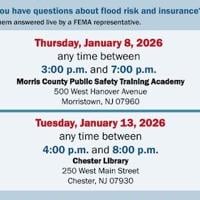
FEMA and the NJDEP have released revised preliminary flood maps for Morris County, reshaping how homeowners, real estate agents, insurers, and mortgage professionals assess flood risk. The updated FIRMs may shift properties into or out of higher‑risk zones, affecting insurance requirements, closing processes, and long‑term property values. With public review and appeals ahead, industry professionals are urged to study the changes now and prepare clients for potential impacts.