In the heart of California, a state renowned for its innovation and economic prowess, a housing crisis looms large. The demand for housing far exceeds the supply, leading to skyrocketing costs and a severe affordability gap. According to the National Low Income Housing Coalition’s annual report, there are only 24 affordable housing units available for every 100 extremely low-income households in California.
This crisis is exacerbated by the fact that California ranks among the highest states with cost-burdened renters, with nearly 30% of renters paying more than half of their income on housing, as noted by the PPIC blog. Families are forced to make tough choices between essential needs and housing costs, often leading to displacement or homelessness.
Can California Solve Its Affordable Housing Crisis?
Despite these daunting challenges, there is hope. The Chan Zuckerberg Initiative (CZI) believes that California can indeed solve its affordable housing crisis. Through innovative solutions and collaborative efforts, progress is being made. One such initiative, Project Roomkey, launched in response to the COVID-19 pandemic, successfully moved approximately 62,000 unhoused individuals into hotel rooms, demonstrating the power of flexible funding and innovative approaches.
Building on this success, California has continued the program under the name Homekey, allocating $300 million to extend its reach. Furthermore, the passage of Proposition 1 has secured $6.4 billion in bond money to support mental health and permanent supportive housing for veterans and those experiencing homelessness.
Innovative Solutions to Housing
One promising avenue is exploring new methods of construction. With construction costs in California having increased by 36.5% from January 2021 to January 2024, as reported by the California Construction Cost Index, modular and industrialized construction methods offer a potential solution. These technologies promise lower costs and faster build times, crucial for addressing the housing shortage.
Additionally, alternative forms of homeownership such as community land trusts and housing cooperatives are being explored to address systemic barriers and create permanently affordable housing. These models offer shared wealth-building opportunities and have shown promise in reimagining ownership in the U.S.
Cross-Sector Collaboration and Legislative Support
Solving the housing crisis requires a comprehensive approach involving multiple sectors. The Partnership for the Bay’s Future exemplifies this by using innovative financing and bringing together diverse voices to tackle housing affordability. Celebrating five years of impact, this partnership has protected over 73,000 tenants and financed thousands of homes.
Learning from successful COVID-19 housing solutions, such as statewide eviction moratoriums and rental relief programs, has also been pivotal. These measures have prevented evictions and supported hundreds of thousands of households during the pandemic.
Transforming Underutilized Lands
Another innovative strategy involves transforming surplus and underutilized lands into affordable homes. Legislation has been passed to prioritize building on government-owned land, unlocking vast potential for new housing developments. Faith communities, with acres of unused land, are also being encouraged to participate in these efforts.
Preserving Existing Affordable Housing
Preservation of existing affordable housing is equally crucial. Initiatives like the Los Angeles Local Rental Owners Collaborative aim to support local landlords and prevent tenant displacement, keeping communities intact and housing affordable.
While there is no single solution to California’s housing crisis, the combination of innovative construction, alternative ownership models, cross-sector collaboration, legislative support, and preservation efforts offers a multifaceted approach to rebuilding the housing system. As the Chan Zuckerberg Initiative emphasizes, the solutions are there; it’s about staying committed to seeing them through.
“`
More Articles
Getting licensed or staying ahead in your career can be a journey—but it doesn’t have to be overwhelming. Grab your favorite coffee or tea, take a moment to relax, and browse through our articles. Whether you’re just starting out or renewing your expertise, we’ve got tips, insights, and advice to keep you moving forward. Here’s to your success—one sip and one step at a time!
Just 48 hours after NAR unveiled major revisions to its MLS policies, plaintiffs in the Michigan-based Hardy lawsuit moved to use those changes as evidence, arguing they prove NAR’s prior rules were anticompetitive. NAR denies any wrongdoing, but the case is quickly becoming a key test for whether MLS access should require Realtor membership — a question now echoing across multiple states and potentially reshaping how real estate professionals nationwide access the industry’s most essential tool.
Florida homeowners are now paying some of the highest insurance premiums in the country, with average costs topping $5,800 per year—nearly double the national average. Residents report skyrocketing rates, denied claims, and tough choices between costly coverage and financial risk. As frustration grows, lawmakers and consumer advocates are pushing new reforms aimed at increasing transparency, capping rate hikes, and protecting policyholders in one of the nation’s most volatile insurance markets.
Economic uncertainty, rapid AI adoption, tighter capital flows, and rising portfolio risk are reshaping the 2026 commercial real estate landscape. From shifting workforce patterns to a national housing attainability crisis, the industry is entering a data‑driven, fundamentals‑focused era—making adaptability, education, and tech literacy essential for real estate professionals.
Mortgage rates have climbed to 6.23 percent as investors grow doubtful that the Federal Reserve will deliver a rate cut in December. A soft but unclear jobs report and persistent inflation have pushed borrowing costs higher, reversing October’s brief relief in the housing market. Real estate and mortgage professionals should prepare clients for continued volatility as the Fed’s December meeting approaches.
After years of tight inventory, high mortgage rates, and sluggish sales, economists say 2026 is shaping up to be the turnaround real estate professionals have been waiting for. NAR projects a 14 percent jump in home sales, mortgage rates easing toward 6 percent, and buyer demand finally gaining momentum. While higher‑end homes are moving quickly, first‑time buyers continue to face affordability challenges, and price reductions are reappearing as sellers adjust to shifting conditions. For Florida agents, brokers, and newcomers, the stage is being set for a busy and opportunity‑rich year.
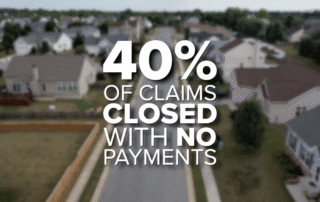
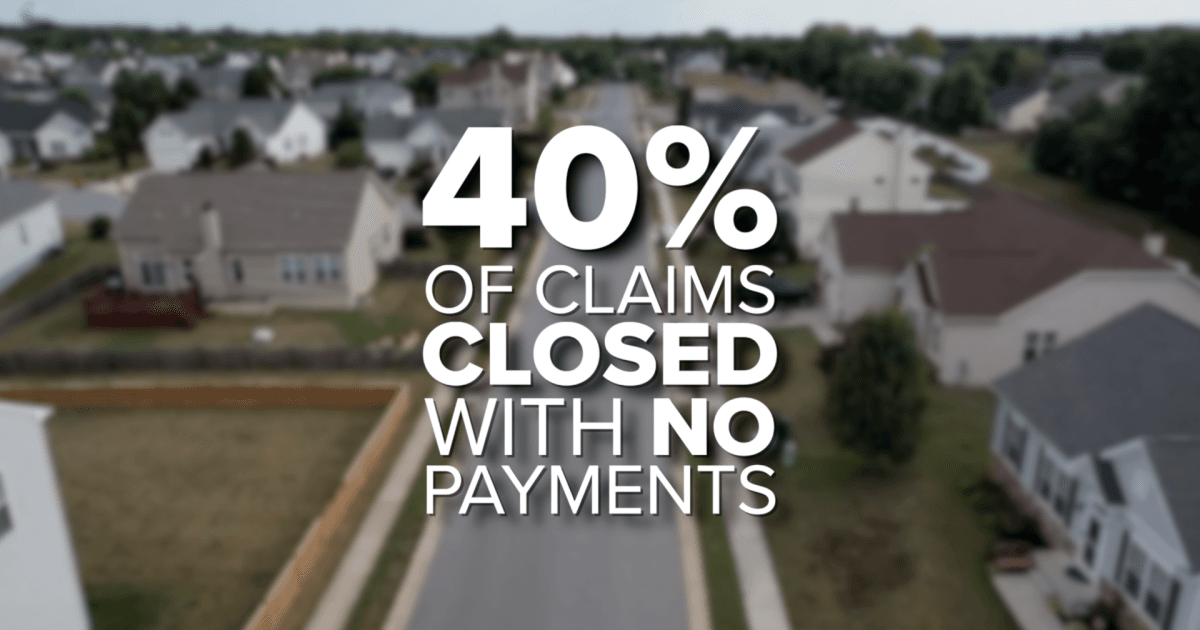
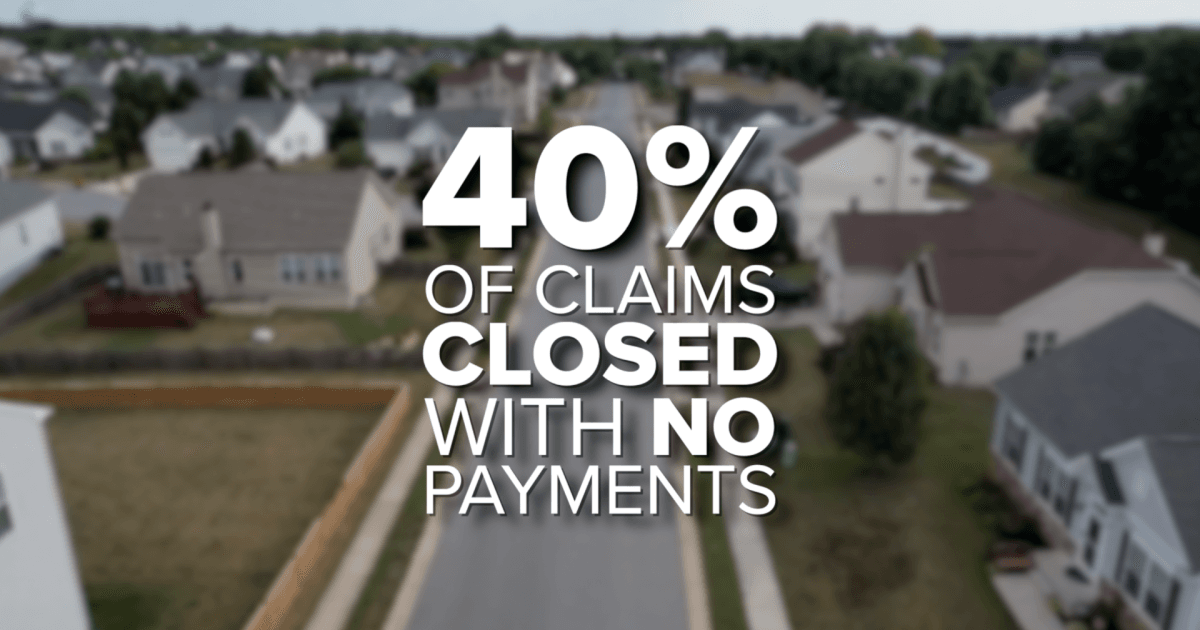
Florida’s average homeowner insurance premium has soared to $5,838 a year—almost $3,000 above the national average—pushing many residents to the financial brink. From tripled premiums to lowball claim payouts, homeowners are speaking out as frustration mounts. Some are even dropping coverage entirely. With more than 40% of claims closed without payment and policy cancellations at record levels, lawmakers are pushing for reforms, but political hurdles remain. The outcome could reshape Florida real estate, insurance, and mortgage markets for years to come.