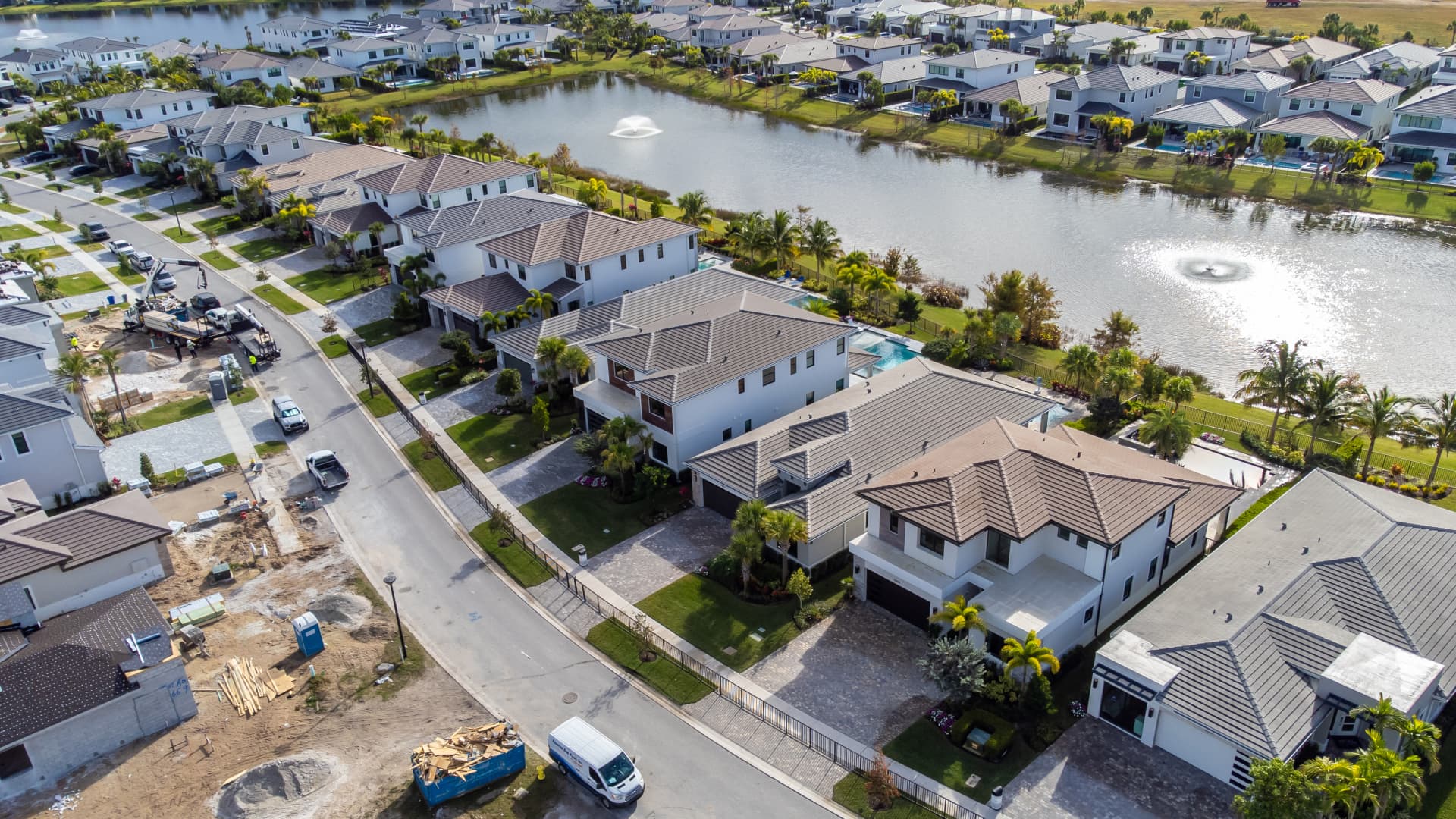
In the heart of California’s housing crisis, a beacon of hope emerges through seven innovative strategies aimed at rebuilding the state’s housing system. As demand for housing continues to outpace supply, the National Low Income Housing Coalition reports a stark reality: only 24 affordable units exist for every 100 extremely low-income households. This disparity underscores the need for creative solutions to address the housing shortage.

1. Industrialized Construction Methods

Rising construction costs, as noted in the California Construction Cost Index, have surged by 36.5% from January 2021 to January 2024. To combat this, industrialized methods such as modular construction, panelized construction, and 3D printing offer promising alternatives. These methods promise reduced costs, faster build times, and environmental benefits, which could be pivotal in making projects financially viable.

2. Alternative Homeownership Models

Traditional homeownership has not served everyone equally, with significant disparities in ownership rates among different racial groups. Community land trusts, housing cooperatives, and Tenancy in Commons provide alternative pathways to ownership, fostering shared wealth and stewardship. These models challenge conventional norms, offering more inclusive and affordable options for communities historically excluded from homeownership.

3. Cross-Sector Housing Solutions

Addressing the housing crisis requires collaboration across sectors. The Partnership for the Bay’s Future is a prime example, leveraging diverse perspectives to increase housing affordability and build vibrant communities. By combining innovative financing and cross-sector collaboration, this initiative has protected over 73,000 tenants and financed homes for 11,000 people.

4. Learning from COVID-19 Housing Solutions

The COVID-19 pandemic prompted unprecedented government action, including eviction moratoriums and rental relief programs. These measures, such as California’s $5.2 billion rental relief program, prevented evictions and supported over 370,000 households. Local efforts, like those in Santa Clara County, further demonstrated the effectiveness of cash aid programs in preventing homelessness.

5. Transforming Surplus Lands

Converting surplus and underutilized lands into affordable housing is a strategic solution to the housing shortage. Recent legislation in California prioritizes building on government-owned land and streamlines development processes for religious organizations and nonprofit colleges. This approach unlocks thousands of acres, offering potential for millions of new homes.

6. Infill Housing and Densification

Infill housing, including accessory dwelling units (ADUs) and lot splitting, maximizes urban spaces. California’s strong ADU laws and legislation like Senate Bill 35 facilitate expedited housing approvals, making infill housing a viable and eco-friendly solution.

7. Preserving Existing Lower-Cost Housing

Preserving naturally occurring affordable housing is crucial to maintaining affordable options. Initiatives like the Los Angeles Local Rental Owners Collaborative support local landlords and prevent displacement, ensuring these homes remain accessible to low-income households.

As California navigates its housing challenges, these solutions offer a roadmap for progress. By embracing innovative and inclusive strategies, the state can move towards a future where everyone has a safe, stable, and affordable place to call home.


More Articles

Getting licensed or staying ahead in your career can be a journey—but it doesn’t have to be overwhelming. Grab your favorite coffee or tea, take a moment to relax, and browse through our articles. Whether you’re just starting out or renewing your expertise, we’ve got tips, insights, and advice to keep you moving forward. Here’s to your success—one sip and one step at a time!

The 2026 CRE Tech Revolution: How Data, Automation, and AI Are Rewriting Commercial Real Estate

Commercial real estate is entering its most transformative era yet. In 2026, success hinges on mastering predictive analytics, smart‑building automation, and sustainability tech—tools that now determine everything from ROI forecasting to tenant retention. As PropTech evolves into an interconnected ecosystem of AI, automation, and ESG‑driven systems, CRE professionals who embrace this shift will lead the next generation of market innovation, while those who rely on traditional instincts risk being left behind.

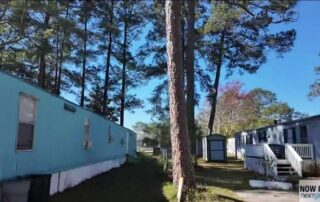
Florida’s Mobile Home Rent Shake‑Up: New Bills Aim to Rein In Rent Hikes and Boost Tenant Protections

Florida lawmakers are pushing major reforms that could dramatically change life for more than 800,000 mobile home park residents. New bills would force park owners to justify rent increases, expand relocation assistance, strengthen tenant rights, and add penalties for reducing amenities without lowering rent. With many residents facing steep price jumps on fixed incomes, the proposed laws mark one of the state’s biggest moves toward accountability and transparency in decades — and real estate professionals will need to stay informed as the changes progress.

Mortgage Refinance Surge Faces Sudden Reversal as Rates Jump Again

Refinance activity exploded for a second straight week as mortgage rates briefly dipped to their lowest levels since late 2024. Homeowners rushed to lock in savings, pushing refinance applications to nearly triple last year’s volume. But the momentum may be short‑lived. Early this week, rates spiked again as markets reacted to new tariff concerns and global uncertainty, erasing much of the recent progress. Both refinance and purchase demand remain strong, but volatility continues to challenge borrowers and professionals across the real estate and mortgage sectors.

Welcome to the Age of the AI Real Estate Agent

The real estate industry has officially entered its AI era, with agents across the country adopting advanced tools that streamline workflow, boost productivity, and transform daily operations. According to a new HousingWire report, tasks that once took hours now take minutes, agents are seeing up to 40 percent productivity growth, and unified AI platforms are helping brokerages deliver faster, smarter, and more personalized marketing than ever before.

Hawai‘i’s 2026 Economic Crossroads: A State in Transition with Opportunities for Professionals

Hawai‘i enters 2026 with a mix of strength and vulnerability. Construction is booming with billions in federal and military projects, yet tourism—the backbone of the local economy—is slowing at a difficult moment. Real estate shows early signs of revival as mortgage rates fall, while health care, small business, and banking navigate shifting federal funding and economic uncertainty. For professionals across real estate, finance, construction, and other licensed industries, Hawai‘i offers a clear preview of the economic pressures and emerging opportunities taking shape nationwide.

Florida’s Insurance Crisis Finally Shows Relief as Lawmakers Push for More Consumer‑Focused Reforms

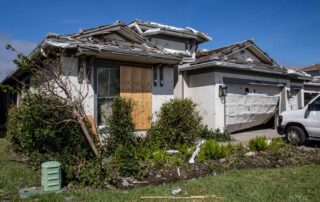
Florida’s property insurance market is stabilizing after years of turmoil, but lawmakers say the job isn’t done. New proposals target profit‑sharing oversight, premium transparency, and a statewide claim‑free discount program—offering potential relief for homeowners and key insights for real estate and mortgage professionals navigating the shifting landscape.