In the heart of California’s housing crisis, a beacon of hope emerges through seven innovative strategies aimed at rebuilding the state’s housing system. As demand for housing continues to outpace supply, the National Low Income Housing Coalition reports a stark reality: only 24 affordable units exist for every 100 extremely low-income households. This disparity underscores the need for creative solutions to address the housing shortage.

1. Industrialized Construction Methods

Rising construction costs, as noted in the California Construction Cost Index, have surged by 36.5% from January 2021 to January 2024. To combat this, industrialized methods such as modular construction, panelized construction, and 3D printing offer promising alternatives. These methods promise reduced costs, faster build times, and environmental benefits, which could be pivotal in making projects financially viable.

2. Alternative Homeownership Models

Traditional homeownership has not served everyone equally, with significant disparities in ownership rates among different racial groups. Community land trusts, housing cooperatives, and Tenancy in Commons provide alternative pathways to ownership, fostering shared wealth and stewardship. These models challenge conventional norms, offering more inclusive and affordable options for communities historically excluded from homeownership.

3. Cross-Sector Housing Solutions

Addressing the housing crisis requires collaboration across sectors. The Partnership for the Bay’s Future is a prime example, leveraging diverse perspectives to increase housing affordability and build vibrant communities. By combining innovative financing and cross-sector collaboration, this initiative has protected over 73,000 tenants and financed homes for 11,000 people.

4. Learning from COVID-19 Housing Solutions

The COVID-19 pandemic prompted unprecedented government action, including eviction moratoriums and rental relief programs. These measures, such as California’s $5.2 billion rental relief program, prevented evictions and supported over 370,000 households. Local efforts, like those in Santa Clara County, further demonstrated the effectiveness of cash aid programs in preventing homelessness.

5. Transforming Surplus Lands

Converting surplus and underutilized lands into affordable housing is a strategic solution to the housing shortage. Recent legislation in California prioritizes building on government-owned land and streamlines development processes for religious organizations and nonprofit colleges. This approach unlocks thousands of acres, offering potential for millions of new homes.

6. Infill Housing and Densification

Infill housing, including accessory dwelling units (ADUs) and lot splitting, maximizes urban spaces. California’s strong ADU laws and legislation like Senate Bill 35 facilitate expedited housing approvals, making infill housing a viable and eco-friendly solution.

7. Preserving Existing Lower-Cost Housing

Preserving naturally occurring affordable housing is crucial to maintaining affordable options. Initiatives like the Los Angeles Local Rental Owners Collaborative support local landlords and prevent displacement, ensuring these homes remain accessible to low-income households.

As California navigates its housing challenges, these solutions offer a roadmap for progress. By embracing innovative and inclusive strategies, the state can move towards a future where everyone has a safe, stable, and affordable place to call home.


More Articles

Getting licensed or staying ahead in your career can be a journey—but it doesn’t have to be overwhelming. Grab your favorite coffee or tea, take a moment to relax, and browse through our articles. Whether you’re just starting out or renewing your expertise, we’ve got tips, insights, and advice to keep you moving forward. Here’s to your success—one sip and one step at a time!

Florida Homeowners Finally Get Relief as Gov. DeSantis Announces Significant Insurance Premium Cuts

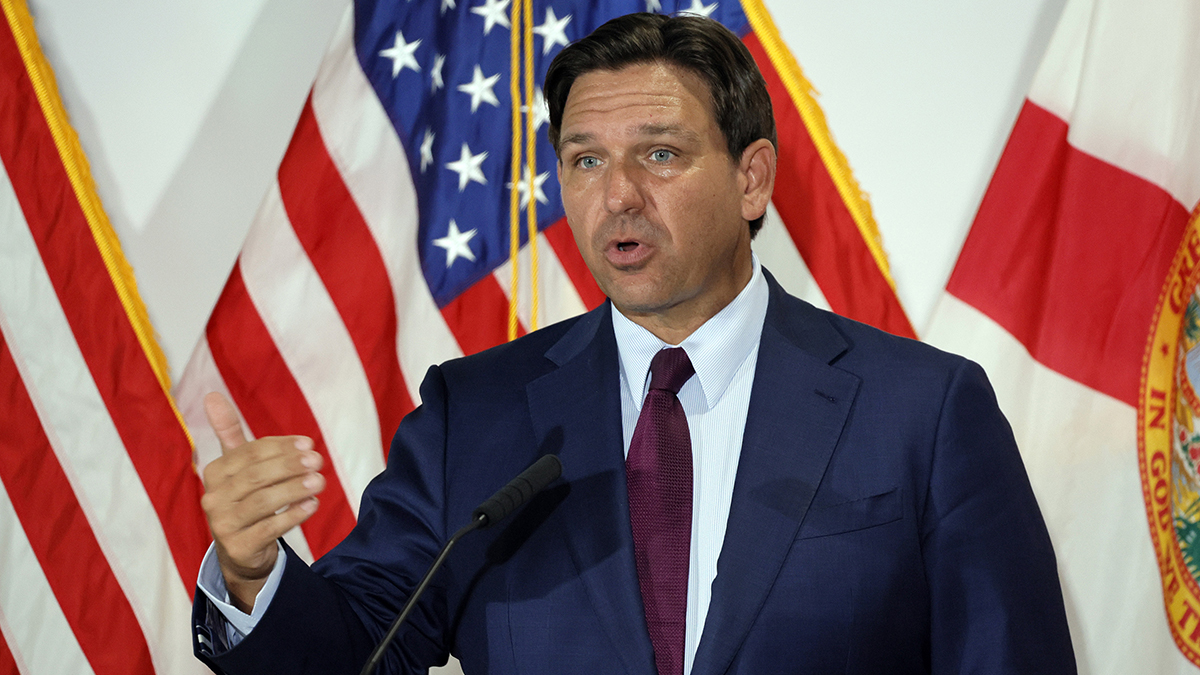
Florida homeowners — especially in hard‑hit South Florida — are set to see rare and substantial reductions in their property insurance premiums. Gov. Ron DeSantis announced an average statewide Citizens Insurance decrease of 8.7%, with even larger savings of up to 14% in counties like Miami-Dade, Broward, and Palm Beach. State officials credit recent legal and regulatory reforms for stabilizing the market, attracting new insurers, and delivering the first meaningful rate relief Floridians have seen in years.

Tampa’s Real Estate Market Enters a Smarter, More Selective Growth Phase

Tampa’s commercial real estate market isn’t slowing—it’s maturing. With strong population growth, rising office demand, a normalized industrial sector, resurgent retail, and an emerging health‑care real estate boom, investors are shifting from speed to strategy. Tighter underwriting, cautious capital and increased due‑diligence are shaping a more disciplined market, creating new opportunities for informed professionals.

Florida Slashes Home Insurance Rates: Biggest Drop in a Decade Sends Shockwaves Through the Market

Florida homeowners are finally seeing relief as Citizens Property Insurance announces a major 8.7% average rate decrease—far larger than originally proposed. Driven by legislative reforms, fewer lawsuits, and a calm hurricane season, the state’s once‑unstable insurance market is showing real signs of recovery. But with reduced coverage limits and shifting legal protections, experts warn that lower premiums may come with hidden trade‑offs.

Florida Homeowners Finally Get Insurance Relief After Years of Soaring Premiums

After a decade of rising premiums and retreating carriers, Florida homeowners are finally seeing long‑awaited relief. Dozens of insurers have filed for rate decreases—some as high as 11%—thanks to legislative reforms and a stabilizing market. Early approvals are already hitting counties across the state, and experts say the momentum could boost buyer confidence, affordability, and competition throughout Florida’s real estate and insurance sectors.

Self‑Storage Investing in 2026: A Market Thaw Opens the Door to Big Opportunities

After years of slowed activity caused by rising interest rates, the self‑storage industry is heating up again. New data from Marcus & Millichap shows a fresh market cycle emerging, driven by renewed buyer confidence, recalibrated pricing, and stronger lender participation. Acquisitions are rebounding, development is resetting in a healthier direction, and financing conditions are improving—creating one of the most promising investment landscapes the sector has seen in years.

Brookline’s Real Flood Risk: What FEMA’s New Maps Reveal—and What They Miss

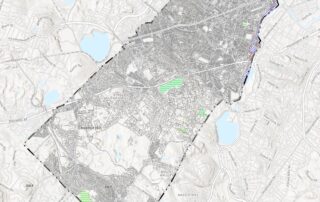
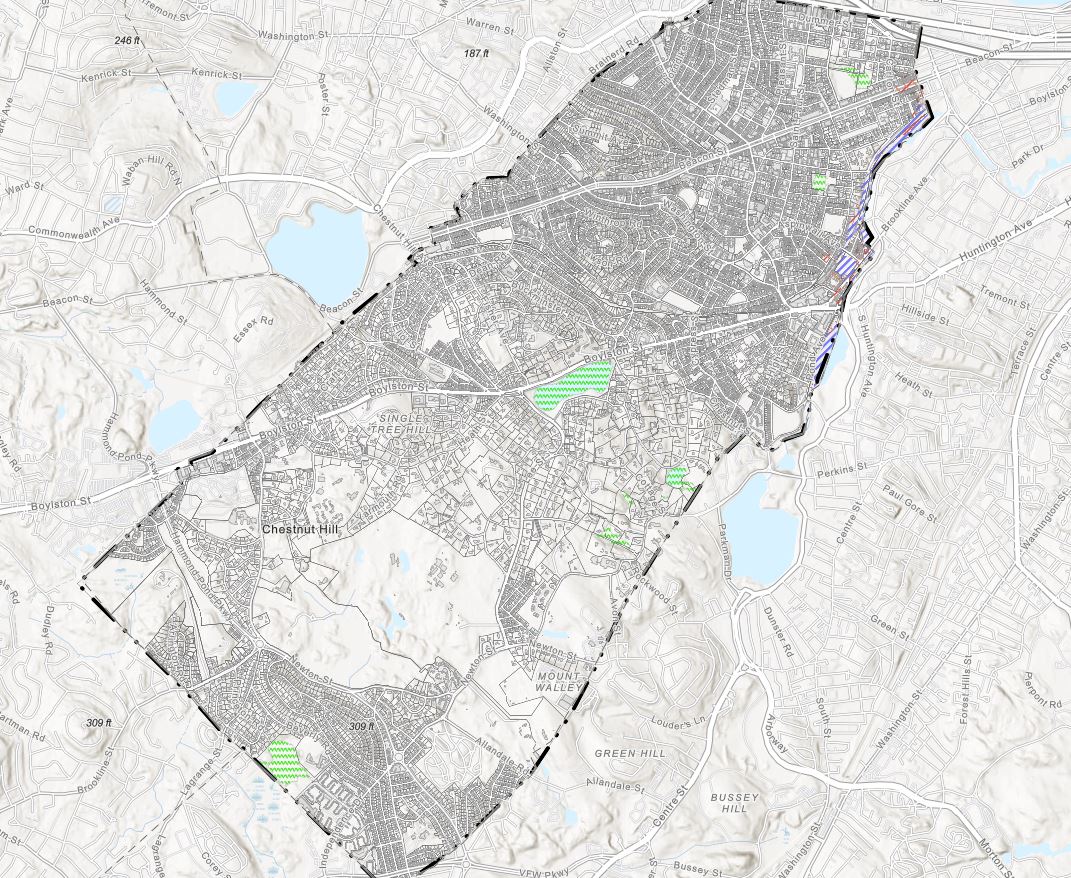
Brookline’s newly updated FEMA flood maps identify 97 high‑risk parcels, but local experts warn the true threat is far greater. While FEMA highlights river‑based flooding around Leverett Pond and the Muddy River, alternative models show more than 1,300 Brookline properties at risk within 30 years. Hidden vulnerabilities along major corridors like Beacon Street, rising rainfall intensity, aging infrastructure, and climate‑driven storm patterns suggest that many “low‑risk” areas may be anything but safe.