In the heart of California’s housing crisis, a beacon of hope emerges through seven innovative strategies aimed at rebuilding the state’s housing system. As demand for housing continues to outpace supply, the National Low Income Housing Coalition reports a stark reality: only 24 affordable units exist for every 100 extremely low-income households. This disparity underscores the need for creative solutions to address the housing shortage.

1. Industrialized Construction Methods

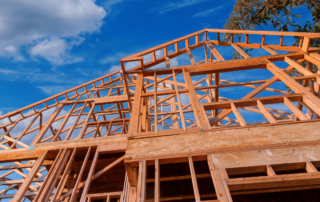
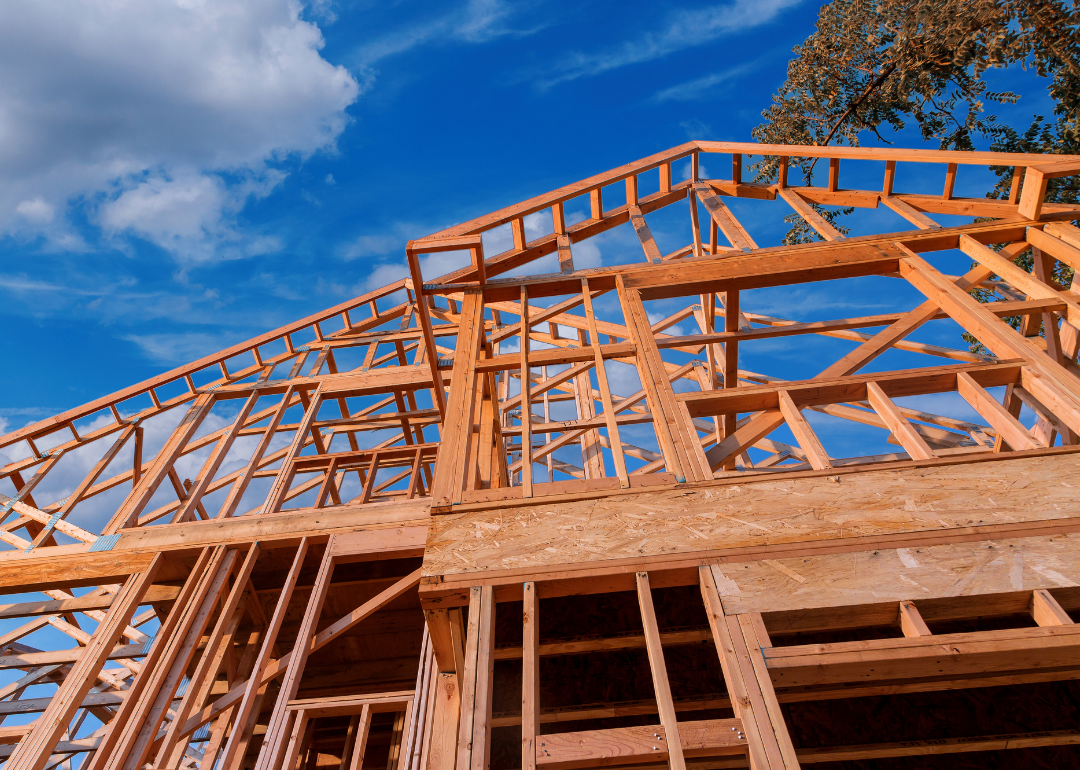
Rising construction costs, as noted in the California Construction Cost Index, have surged by 36.5% from January 2021 to January 2024. To combat this, industrialized methods such as modular construction, panelized construction, and 3D printing offer promising alternatives. These methods promise reduced costs, faster build times, and environmental benefits, which could be pivotal in making projects financially viable.

2. Alternative Homeownership Models

Traditional homeownership has not served everyone equally, with significant disparities in ownership rates among different racial groups. Community land trusts, housing cooperatives, and Tenancy in Commons provide alternative pathways to ownership, fostering shared wealth and stewardship. These models challenge conventional norms, offering more inclusive and affordable options for communities historically excluded from homeownership.

3. Cross-Sector Housing Solutions

Addressing the housing crisis requires collaboration across sectors. The Partnership for the Bay’s Future is a prime example, leveraging diverse perspectives to increase housing affordability and build vibrant communities. By combining innovative financing and cross-sector collaboration, this initiative has protected over 73,000 tenants and financed homes for 11,000 people.

4. Learning from COVID-19 Housing Solutions

The COVID-19 pandemic prompted unprecedented government action, including eviction moratoriums and rental relief programs. These measures, such as California’s $5.2 billion rental relief program, prevented evictions and supported over 370,000 households. Local efforts, like those in Santa Clara County, further demonstrated the effectiveness of cash aid programs in preventing homelessness.

5. Transforming Surplus Lands

Converting surplus and underutilized lands into affordable housing is a strategic solution to the housing shortage. Recent legislation in California prioritizes building on government-owned land and streamlines development processes for religious organizations and nonprofit colleges. This approach unlocks thousands of acres, offering potential for millions of new homes.

6. Infill Housing and Densification

Infill housing, including accessory dwelling units (ADUs) and lot splitting, maximizes urban spaces. California’s strong ADU laws and legislation like Senate Bill 35 facilitate expedited housing approvals, making infill housing a viable and eco-friendly solution.

7. Preserving Existing Lower-Cost Housing

Preserving naturally occurring affordable housing is crucial to maintaining affordable options. Initiatives like the Los Angeles Local Rental Owners Collaborative support local landlords and prevent displacement, ensuring these homes remain accessible to low-income households.

As California navigates its housing challenges, these solutions offer a roadmap for progress. By embracing innovative and inclusive strategies, the state can move towards a future where everyone has a safe, stable, and affordable place to call home.


More Articles

Getting licensed or staying ahead in your career can be a journey—but it doesn’t have to be overwhelming. Grab your favorite coffee or tea, take a moment to relax, and browse through our articles. Whether you’re just starting out or renewing your expertise, we’ve got tips, insights, and advice to keep you moving forward. Here’s to your success—one sip and one step at a time!

The Surprising Way to Profit From the AI Boom: It’s Not Tech—It’s Real Estate

While most people chase AI stocks or compete for high‑pressure tech jobs, the real opportunity may be unfolding in AI boomtown real estate. As companies like OpenAI, Anthropic, Microsoft, and NVIDIA mint new waves of wealthy workers, demand for housing in key cities is exploding. From San Francisco to Austin, AI‑driven markets are seeing rising rents, limited inventory, and buyers preparing for massive IPO windfalls. For real estate professionals—or anyone entering the field—this surge represents one of the strongest long‑term opportunities in the industry.

Florida Ends Insurance Surcharge Early, Saving Homeowners $650 Million

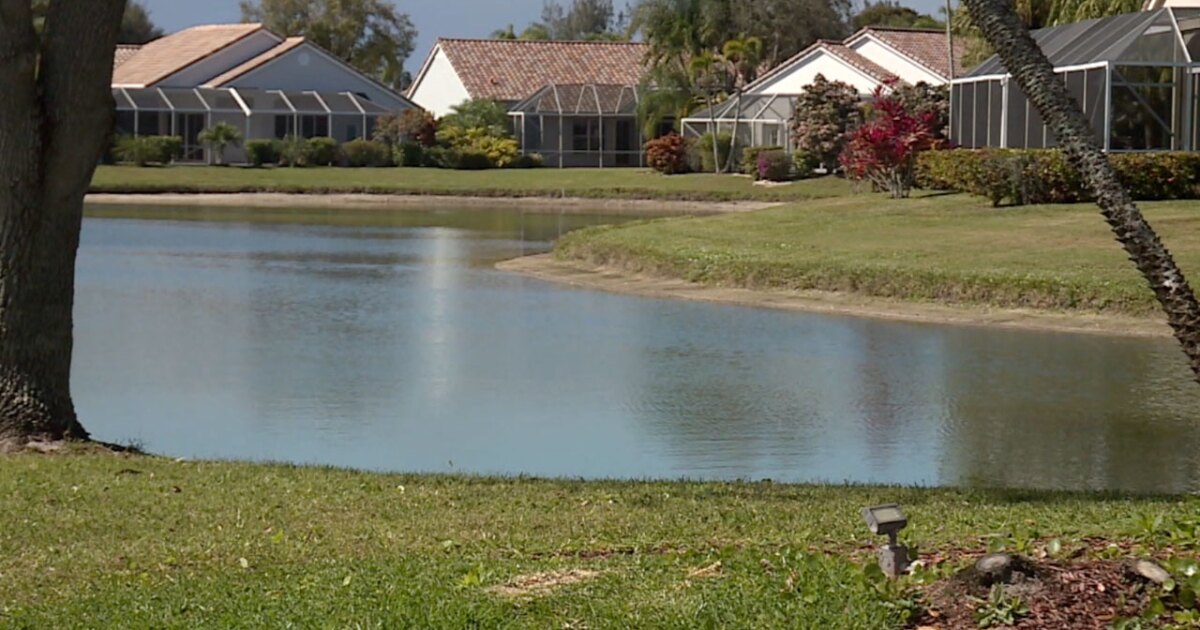
Florida is ending its 1 percent emergency insurance surcharge two years ahead of schedule, saving homeowners an estimated 650 million dollars through 2028. Thanks to a calm hurricane season, fewer insurer failures, and reduced lawsuits, officials say the state’s property insurance market is now in its strongest financial position in a decade. The change offers relief for homeowners and new momentum for Florida’s real estate industry, where lower insurance costs can boost buyer confidence and support smoother transactions.

The Hidden Risk: Why Banning Big Investors Could Shrink Housing Options for Millions

A growing political push to block institutional investors from buying single-family homes may sound like a pro-homeowner policy, but the data shows it could do the opposite. Younger and racially diverse renters rely heavily on single-family rentals as an affordable, stable alternative to buying—yet restricting investor participation would shrink this supply, pushing many families into overcrowded housing, motels, or homelessness. The real issue isn’t who buys the homes, but that America doesn’t have enough of them.

Agents Embrace AI and Simplicity: Zillow’s 2026 Survey Shows What Real Estate Pros Really Want

Zillow’s 2026 Agent Trends Survey reveals a major shift in what agents value most: technology that reduces mental drain. Nearly half of agents now use AI tools daily, yet most still juggle multiple platforms that sap their focus. Zillow’s upcoming unified platform, Zillow Pro, aims to streamline workflows and cut cognitive load. The survey also highlights key industry trends, including buyer financial literacy gaps, the importance of relationships for lead generation and the growing need for tech fluency among both new and seasoned real estate professionals.

Florida Cities With the Fastest Growing Home Prices in 2026

Florida’s housing market is still surging, with luxury enclaves like Lake Buena Vista, Jupiter Island, and Golden Beach seeing massive six‑figure price jumps in just one year. Smaller towns such as Old Town, Cross City, and Hosford also posted steady gains, proving demand is rising statewide. For real estate professionals, these trends highlight where buyers are moving, where inventory is tight, and where future opportunities lie—making market literacy an essential advantage for anyone pursuing or expanding a career in Florida real estate.

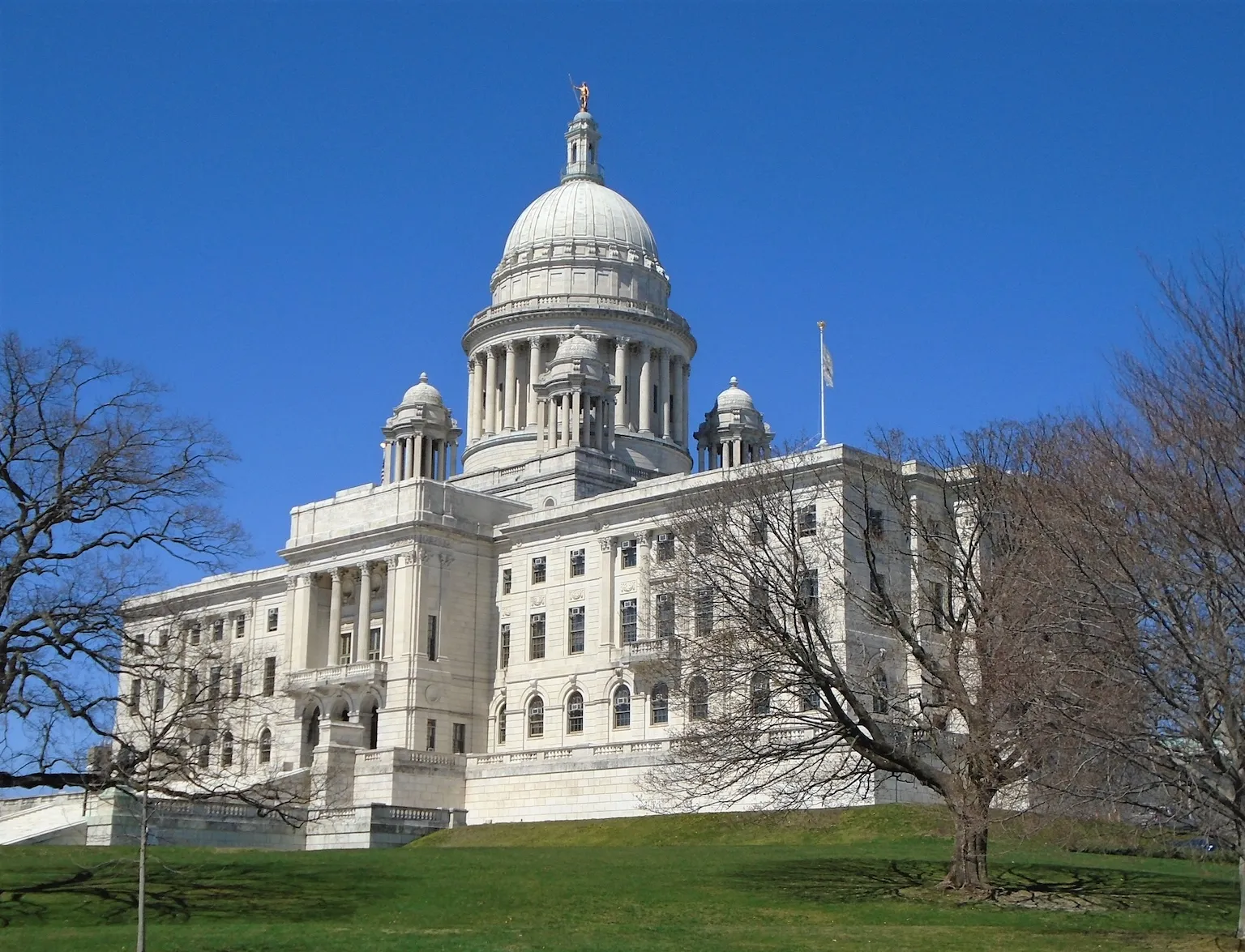
Rhode Island Unveils Bold Housing Package to Tackle Affordability Crisis

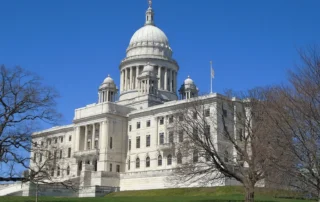
Rhode Island is launching its sixth major housing reform package, aiming to boost affordability through zoning updates, lot splits, code changes, and the revival of single room occupancy and co‑living housing. With the state still recovering from years of underbuilding and soaring home prices, lawmakers hope these reforms will unlock new supply, ease pressure on renters and buyers, and create fresh opportunities for real estate professionals.