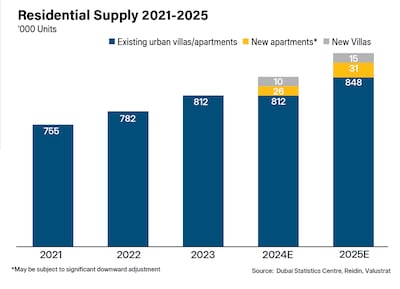
As the UAE’s population continues to surge, developers are seizing the opportunity to transform the sprawling desert into vibrant residential communities. This ambitious expansion is not just about accommodating more people; it’s about reimagining urban living for a sustainable future. With the population of Dubai expected to nearly double by 2040, the demand for housing and infrastructure is skyrocketing, prompting a strategic shift towards the development of 15-minute cities.
The concept of the 15-minute city, which aims to provide essential amenities within a short walk or bike ride from residents’ homes, is gaining traction as a model for future urban planning. This approach was a focal point at the recent Big 5 Global event in Dubai, where experts, including Prof Carlos Moreno, emphasized the importance of creating proxilience—resilient communities built on the principle of proximity.
In cities like Dubai and Abu Dhabi, where central areas are already densely populated, developers are looking to the outskirts to accommodate new residents. Areas such as Dubai South and Al Ain Road are poised to become self-sufficient communities, echoing the suburban expansion seen in North America’s Sun Belt cities. As Jack Sellers of YallaValue noted, these developments are transforming Dubai into a collection of sub-cities, with an increasing trend towards off-plan property purchases.
Building Smarter for the Future
The pressure on the construction sector to innovate is mounting. Jay French, CEO of Matthews for Europe, the Middle East, and Africa, advocates for the adoption of steel framing and modular construction methods, which offer both speed and sustainability benefits. These techniques could alleviate pressure on existing construction resources and provide a more efficient path forward.
Despite the optimism surrounding these developments, experts caution that rapid urban growth presents challenges. Dr Akram Awad of Boston Consulting Group stresses the need for inclusivity in urban planning, ensuring that all residents feel a sense of belonging. Meanwhile, Dr Anas AlMughairy highlights the critical role of infrastructure in supporting new communities, noting the importance of planning ahead to balance economic growth with quality of life.
As the UAE continues to evolve, these new urban landscapes must navigate the complexities of rapid expansion while striving to create vibrant, livable environments for all.
More Articles
Getting licensed or staying ahead in your career can be a journey—but it doesn’t have to be overwhelming. Grab your favorite coffee or tea, take a moment to relax, and browse through our articles. Whether you’re just starting out or renewing your expertise, we’ve got tips, insights, and advice to keep you moving forward. Here’s to your success—one sip and one step at a time!
Florida homeowners — especially in hard‑hit South Florida — are set to see rare and substantial reductions in their property insurance premiums. Gov. Ron DeSantis announced an average statewide Citizens Insurance decrease of 8.7%, with even larger savings of up to 14% in counties like Miami-Dade, Broward, and Palm Beach. State officials credit recent legal and regulatory reforms for stabilizing the market, attracting new insurers, and delivering the first meaningful rate relief Floridians have seen in years.
Tampa’s commercial real estate market isn’t slowing—it’s maturing. With strong population growth, rising office demand, a normalized industrial sector, resurgent retail, and an emerging health‑care real estate boom, investors are shifting from speed to strategy. Tighter underwriting, cautious capital and increased due‑diligence are shaping a more disciplined market, creating new opportunities for informed professionals.
Florida homeowners are finally seeing relief as Citizens Property Insurance announces a major 8.7% average rate decrease—far larger than originally proposed. Driven by legislative reforms, fewer lawsuits, and a calm hurricane season, the state’s once‑unstable insurance market is showing real signs of recovery. But with reduced coverage limits and shifting legal protections, experts warn that lower premiums may come with hidden trade‑offs.
After a decade of rising premiums and retreating carriers, Florida homeowners are finally seeing long‑awaited relief. Dozens of insurers have filed for rate decreases—some as high as 11%—thanks to legislative reforms and a stabilizing market. Early approvals are already hitting counties across the state, and experts say the momentum could boost buyer confidence, affordability, and competition throughout Florida’s real estate and insurance sectors.
After years of slowed activity caused by rising interest rates, the self‑storage industry is heating up again. New data from Marcus & Millichap shows a fresh market cycle emerging, driven by renewed buyer confidence, recalibrated pricing, and stronger lender participation. Acquisitions are rebounding, development is resetting in a healthier direction, and financing conditions are improving—creating one of the most promising investment landscapes the sector has seen in years.
Brookline’s newly updated FEMA flood maps identify 97 high‑risk parcels, but local experts warn the true threat is far greater. While FEMA highlights river‑based flooding around Leverett Pond and the Muddy River, alternative models show more than 1,300 Brookline properties at risk within 30 years. Hidden vulnerabilities along major corridors like Beacon Street, rising rainfall intensity, aging infrastructure, and climate‑driven storm patterns suggest that many “low‑risk” areas may be anything but safe.