Inside the $172 Million Push: Insurance Lobbying Takes Center Stage in 2025
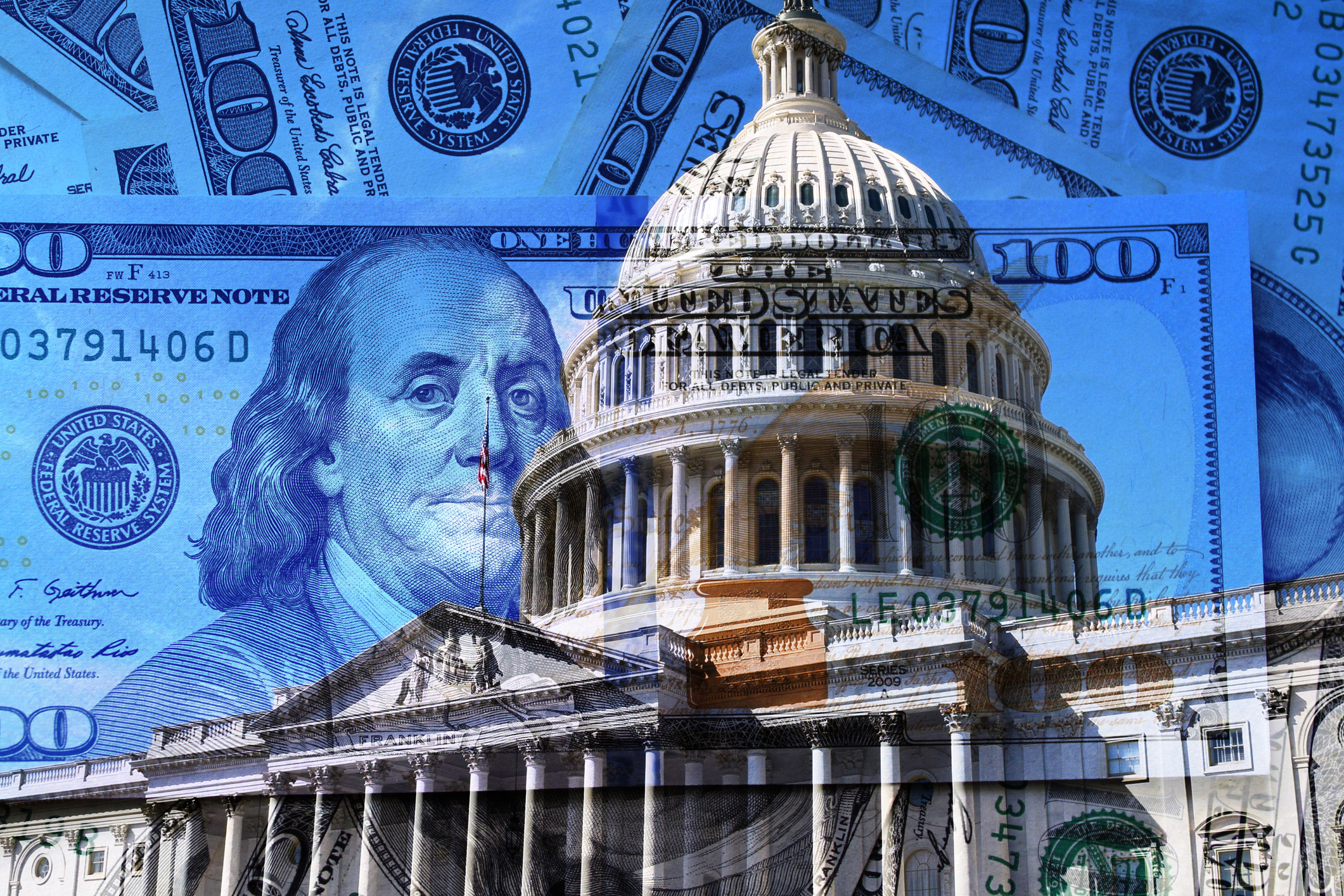
The insurance industry made a powerful statement in 2025, pouring a staggering $172 million into federal lobbying efforts. According to Open Secrets, this surge pushed insurance into the spotlight as the fourth-highest lobbying sector in the United States. From property and casualty to medical insurers, the influence stretches throughout almost every corner of the profession.
Medical Insurance Leads, But Property & Casualty Makes Noise
Medical insurers led the charge, with Blue Cross/Blue Shield alone dedicating more than $20 million to lobbying. Yet the property and casualty sector made its presence unmistakably strong, with eight major organizations landing in the top 25 spenders.
The American Property and Casualty Insurance Association ranked sixth with $5.8 million in expenditures. Nationwide followed at number eight with $3.6 million, while Liberty Mutual and Allstate tied at $3 million each.
Other Major Players in the Lobbying Arena
Travelers Companies – $3 million
Chubb INA – $2.8 million
State Farm – $2.7 million
USAA – $2 million
These figures reflect federal-level lobbying only, drawn from the Senate Office of Public Records. This leaves out the substantial spending that occurs at the state level—where insurance regulation truly takes shape.
State hearings often see significant insurer participation, while smaller businesses and repair groups struggle to match their presence. This imbalance can shape policies that affect consumers, professionals, and markets nationwide.
State-Level Influence: A Different Battlefield
During a 2024 Collision Industry Conference panel, industry voices highlighted a long-standing issue. As Darrell Amberson of Lamettry’s Operations stated, “Insurers have armies of attorneys and representatives that the average repair group cannot compete with.”
California’s regulatory workshops echo the same pattern: more than 5,000 repair facilities exist across the state, yet only a small handful attend hearings—while insurers reliably fill the seats.
Further fueling the debate, an Oklahoma Watch investigation delved into how insurers shape state legislation, raising essential questions about influence, transparency, and accountability.
Why This Matters to Licensed Professionals
For professionals in insurance, real estate, finance, and related fields, understanding lobbying dynamics isn’t just interesting—it’s critical. These regulations directly shape customer costs, industry expectations, and market competitiveness.
For students and licensed professionals expanding their expertise through Cameron Academy, insights like these provide valuable context for navigating evolving regulatory landscapes that affect careers across multiple industries.
To explore the full reports and datasets, visit the original article on Repairer Driven News and the comprehensive data library at Open Secrets.
Photo courtesy of Douglas Rissing / iStock
More Articles
Getting licensed or staying ahead in your career can be a journey—but it doesn’t have to be overwhelming. Grab your favorite coffee or tea, take a moment to relax, and browse through our articles. Whether you’re just starting out or renewing your expertise, we’ve got tips, insights, and advice to keep you moving forward. Here’s to your success—one sip and one step at a time!
After years of soaring premiums and insurer instability, Florida’s property insurance market is finally turning a corner. Major carriers have filed 83 requests for rate decreases heading into 2026, with companies like Florida Peninsula and Patriot Select proposing cuts of 8.4% and 11.3%. Some homeowners may see relief as early as next month, signaling a long‑awaited shift toward market stability.
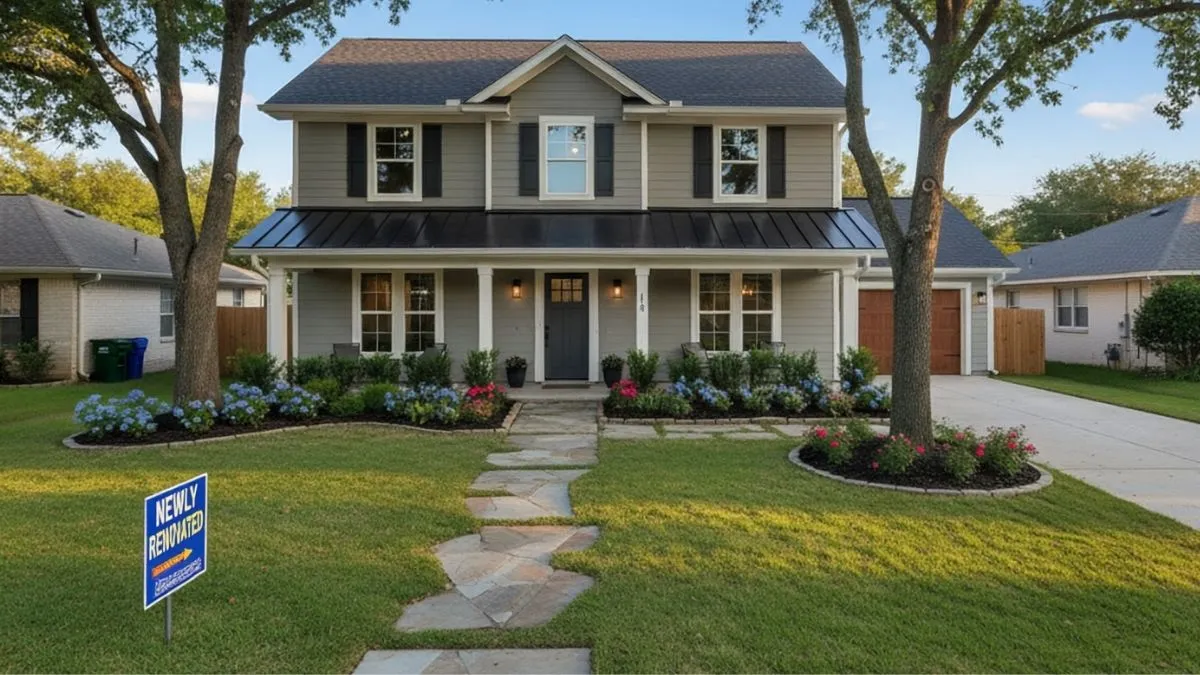
Fix-and-flip investing is gearing up for one of its strongest years in a decade as 2026 approaches. With cheaper capital, more accessible funding, easing interest rates, and long-awaited increases in housing inventory, investors are finding the perfect environment to launch or scale renovation-based real estate businesses. Renovation continues to outpace new construction in cost and speed, and demand for move-in-ready homes remains high, making 2026 a powerful opportunity window for both new and experienced investors.
After a short-lived period of relief in 2025, the U.S. rental market may be headed for a tighter, more expensive 2026. With construction starts dropping nearly 11% and completions plunging 42%, the surge of new apartments that helped lower rents is rapidly drying up. Rising costs, shrinking inventory, and a slowdown in new development point to a potential rental crunch that could leave renters facing heavier competition and higher prices across major markets next year.
The commercial real estate market is entering a rare reset that experts say mirrors the post‑2008 boom, creating a potential window for disciplined investors. With trillions in commercial debt coming due and property values dropping up to 40%, firms like AARE are positioning themselves to acquire assets below replacement cost—an advantage that could set the stage for significant long‑term growth.
Commercial real estate is entering a reinvention phase, with AI‑driven productivity, modernized office demand, experience‑focused retail, expanding industrial logistics, creative housing solutions, and sustainability‑centered design all accelerating nationwide. These six forces are shaping how investors, brokers, and future licensees will operate in a rapidly evolving U.S. market.
After years of economic uncertainty and cautious decision‑making, 2026 is shaping up to be the year professionals finally catch a break. AI is moving from buzzword to essential tool, capital markets are beginning to thaw, and hiring is picking up across real estate, mortgage, insurance, finance, and healthcare. With opportunity returning, many professionals are using this moment to upskill—pursuing new licenses, certifications, and cross‑industry expertise.