Inside the $172 Million Push: Insurance Lobbying Takes Center Stage in 2025
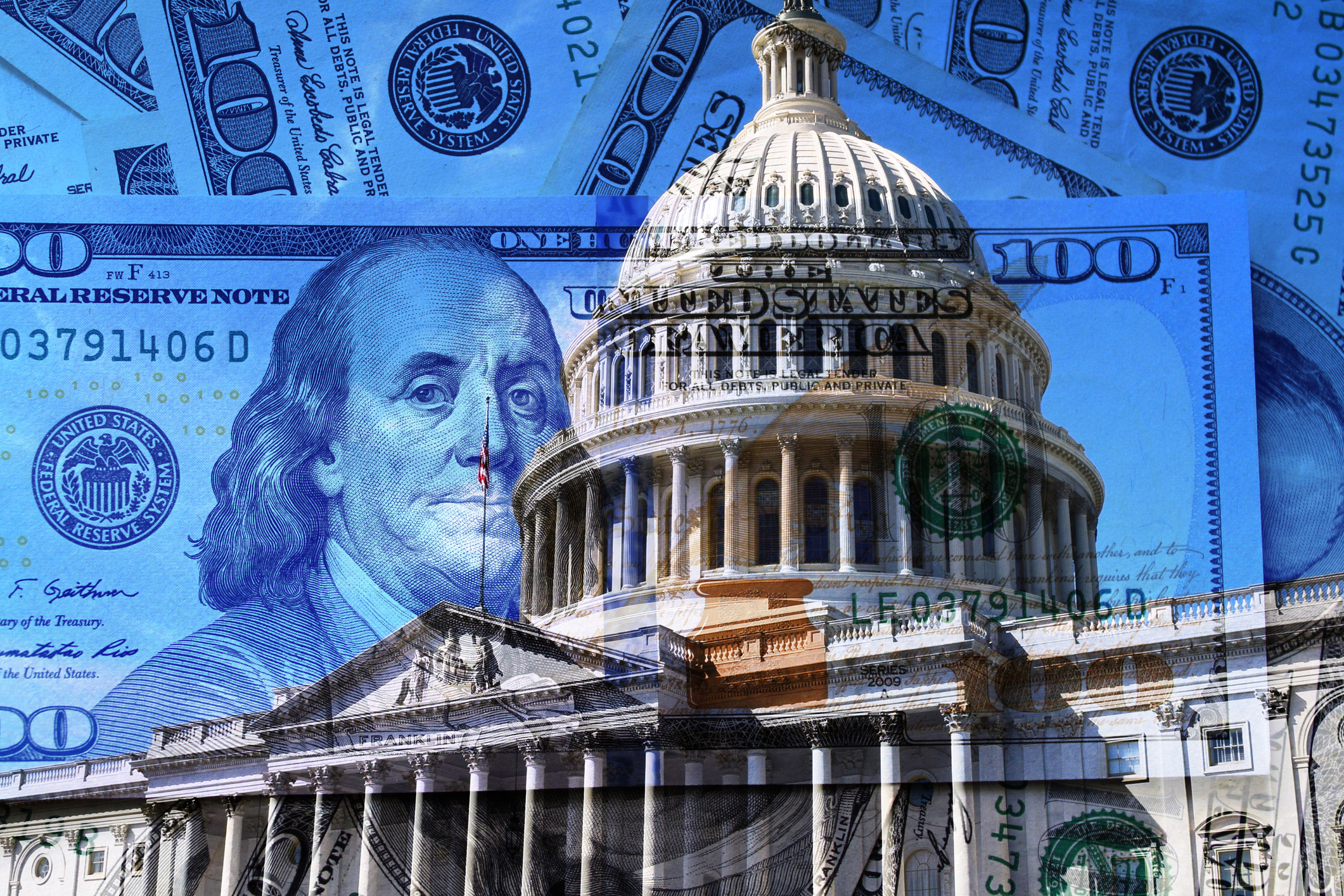
The insurance industry made a powerful statement in 2025, pouring a staggering $172 million into federal lobbying efforts. According to Open Secrets, this surge pushed insurance into the spotlight as the fourth-highest lobbying sector in the United States. From property and casualty to medical insurers, the influence stretches throughout almost every corner of the profession.
Medical Insurance Leads, But Property & Casualty Makes Noise
Medical insurers led the charge, with Blue Cross/Blue Shield alone dedicating more than $20 million to lobbying. Yet the property and casualty sector made its presence unmistakably strong, with eight major organizations landing in the top 25 spenders.
The American Property and Casualty Insurance Association ranked sixth with $5.8 million in expenditures. Nationwide followed at number eight with $3.6 million, while Liberty Mutual and Allstate tied at $3 million each.
Other Major Players in the Lobbying Arena
Travelers Companies – $3 million
Chubb INA – $2.8 million
State Farm – $2.7 million
USAA – $2 million
These figures reflect federal-level lobbying only, drawn from the Senate Office of Public Records. This leaves out the substantial spending that occurs at the state level—where insurance regulation truly takes shape.
State hearings often see significant insurer participation, while smaller businesses and repair groups struggle to match their presence. This imbalance can shape policies that affect consumers, professionals, and markets nationwide.
State-Level Influence: A Different Battlefield
During a 2024 Collision Industry Conference panel, industry voices highlighted a long-standing issue. As Darrell Amberson of Lamettry’s Operations stated, “Insurers have armies of attorneys and representatives that the average repair group cannot compete with.”
California’s regulatory workshops echo the same pattern: more than 5,000 repair facilities exist across the state, yet only a small handful attend hearings—while insurers reliably fill the seats.
Further fueling the debate, an Oklahoma Watch investigation delved into how insurers shape state legislation, raising essential questions about influence, transparency, and accountability.
Why This Matters to Licensed Professionals
For professionals in insurance, real estate, finance, and related fields, understanding lobbying dynamics isn’t just interesting—it’s critical. These regulations directly shape customer costs, industry expectations, and market competitiveness.
For students and licensed professionals expanding their expertise through Cameron Academy, insights like these provide valuable context for navigating evolving regulatory landscapes that affect careers across multiple industries.
To explore the full reports and datasets, visit the original article on Repairer Driven News and the comprehensive data library at Open Secrets.
Photo courtesy of Douglas Rissing / iStock
More Articles
Getting licensed or staying ahead in your career can be a journey—but it doesn’t have to be overwhelming. Grab your favorite coffee or tea, take a moment to relax, and browse through our articles. Whether you’re just starting out or renewing your expertise, we’ve got tips, insights, and advice to keep you moving forward. Here’s to your success—one sip and one step at a time!
At the 2025 Florida Chamber Insurance Summit, Insurance Commissioner Mike Yaworsky announced that Florida’s long‑volatile insurance market has at last regained stability. After a decade marked by runaway litigation, inflated claims, and insurer exits, the sweeping tort and insurance reforms passed in 2022 and 2023 have reversed the decline. Litigation has fallen to pre‑2019 levels, new carriers and reinsurers are entering the state, and consumers now have more options than they’ve seen in years. Yaworsky cautioned, however, that rolling back these reforms would undo the progress and impose massive costs on Floridians.
Driving with an expired license is illegal in nearly every state, and in 2025 the consequences are more serious than most people realize. From fines and potential jail time to denied insurance claims and professional repercussions, even a simple lapse can create a ripple effect—especially for licensed professionals in real estate, insurance, mortgage, and finance. This quick morning read breaks down the real penalties, why professionals should pay attention, and how to renew your license before it becomes a costly mistake.
A new wave of chat‑based AI tools is reshaping how quickly real estate professionals can prepare and enhance listing photos. By simply describing changes—like brightening a kitchen, removing clutter, or fully staging a room—agents and property managers can produce high‑impact images in minutes. This technology not only speeds up market readiness but also boosts renter and buyer engagement by presenting spaces at their full potential from the very first glance.
The rental market is gearing up for major shifts in 2026, from rising compliance demands and surging insurance costs to the rapid adoption of AI‑powered property management tools. Tenants’ expectations are evolving just as quickly, pushing owners to deliver lifestyle‑driven communities rather than simple lease agreements. Investors and operators who embrace technology, stay ahead of regulatory changes and prioritize renter experience will be best positioned to thrive in the coming year.
Artificial intelligence is transforming real estate at lightning speed, turning days of manual work into minutes of automated insight. With the AI real estate market projected to soar from $222.65B in 2024 to over $975B by 2029, professionals who understand this technology now will lead the industry tomorrow. From smarter valuations to automated workflows and predictive analytics, AI is redefining how agents, investors, and property managers operate—making today the perfect time to embrace the tools shaping the future of real estate.
As AI takes over the repetitive tasks that slow agents down, industry expert Matt Britton says the future of real estate belongs to professionals who combine intelligent automation with irreplaceable human trust. Speaking to thousands at NAR NXT 2025, Britton emphasized that the next wave of success will come from agents who embrace AI workflows while doubling down on what technology can’t replicate: empathy, creativity, and meaningful client relationships.