Inside the $172 Million Push: Insurance Lobbying Takes Center Stage in 2025
The insurance industry made a powerful statement in 2025, pouring a staggering $172 million into federal lobbying efforts. According to Open Secrets, this surge pushed insurance into the spotlight as the fourth-highest lobbying sector in the United States. From property and casualty to medical insurers, the influence stretches throughout almost every corner of the profession.
Medical Insurance Leads, But Property & Casualty Makes Noise
Medical insurers led the charge, with Blue Cross/Blue Shield alone dedicating more than $20 million to lobbying. Yet the property and casualty sector made its presence unmistakably strong, with eight major organizations landing in the top 25 spenders.
The American Property and Casualty Insurance Association ranked sixth with $5.8 million in expenditures. Nationwide followed at number eight with $3.6 million, while Liberty Mutual and Allstate tied at $3 million each.
Other Major Players in the Lobbying Arena
Travelers Companies – $3 million
Chubb INA – $2.8 million
State Farm – $2.7 million
USAA – $2 million
These figures reflect federal-level lobbying only, drawn from the Senate Office of Public Records. This leaves out the substantial spending that occurs at the state level—where insurance regulation truly takes shape.
State hearings often see significant insurer participation, while smaller businesses and repair groups struggle to match their presence. This imbalance can shape policies that affect consumers, professionals, and markets nationwide.
State-Level Influence: A Different Battlefield
During a 2024 Collision Industry Conference panel, industry voices highlighted a long-standing issue. As Darrell Amberson of Lamettry’s Operations stated, “Insurers have armies of attorneys and representatives that the average repair group cannot compete with.”
California’s regulatory workshops echo the same pattern: more than 5,000 repair facilities exist across the state, yet only a small handful attend hearings—while insurers reliably fill the seats.
Further fueling the debate, an Oklahoma Watch investigation delved into how insurers shape state legislation, raising essential questions about influence, transparency, and accountability.
Why This Matters to Licensed Professionals
For professionals in insurance, real estate, finance, and related fields, understanding lobbying dynamics isn’t just interesting—it’s critical. These regulations directly shape customer costs, industry expectations, and market competitiveness.
For students and licensed professionals expanding their expertise through Cameron Academy, insights like these provide valuable context for navigating evolving regulatory landscapes that affect careers across multiple industries.
To explore the full reports and datasets, visit the original article on Repairer Driven News and the comprehensive data library at Open Secrets.
Photo courtesy of Douglas Rissing / iStock
More Articles
Getting licensed or staying ahead in your career can be a journey—but it doesn’t have to be overwhelming. Grab your favorite coffee or tea, take a moment to relax, and browse through our articles. Whether you’re just starting out or renewing your expertise, we’ve got tips, insights, and advice to keep you moving forward. Here’s to your success—one sip and one step at a time!
Skyrocketing insurance premiums and soaring rebuilding costs are transforming communities across Southwest Florida, especially in the wake of Hurricane Ian. As longtime residents struggle to keep up with rising financial pressure, wealthier newcomers and stricter building standards are reshaping the identity of places like Fort Myers Beach. With insurance rates now driving home sales, triggering potential foreclosures, and squeezing both owners and renters, Florida’s middle-class families face a growing question: can they afford to stay in the state they love?
Florida’s insurance industry is stabilizing fast, with nearly 1.6 million policies shifting from Citizens to private insurers and litigation dropping sharply. Regulators report stronger market confidence, decreasing premiums, and renewed competition—signaling one of the healthiest periods the state has seen in years.
A Leon County judge has ordered the restart of arbitration for Citizens Property Insurance claims, directly conflicting with a previous ruling that halted the process as potentially unconstitutional. With more than 400 cases now back in motion, real estate, insurance, and mortgage professionals can expect renewed activity in claim disputes and fresh uncertainty as Florida courts clash over the legality of Citizens’ arbitration system.
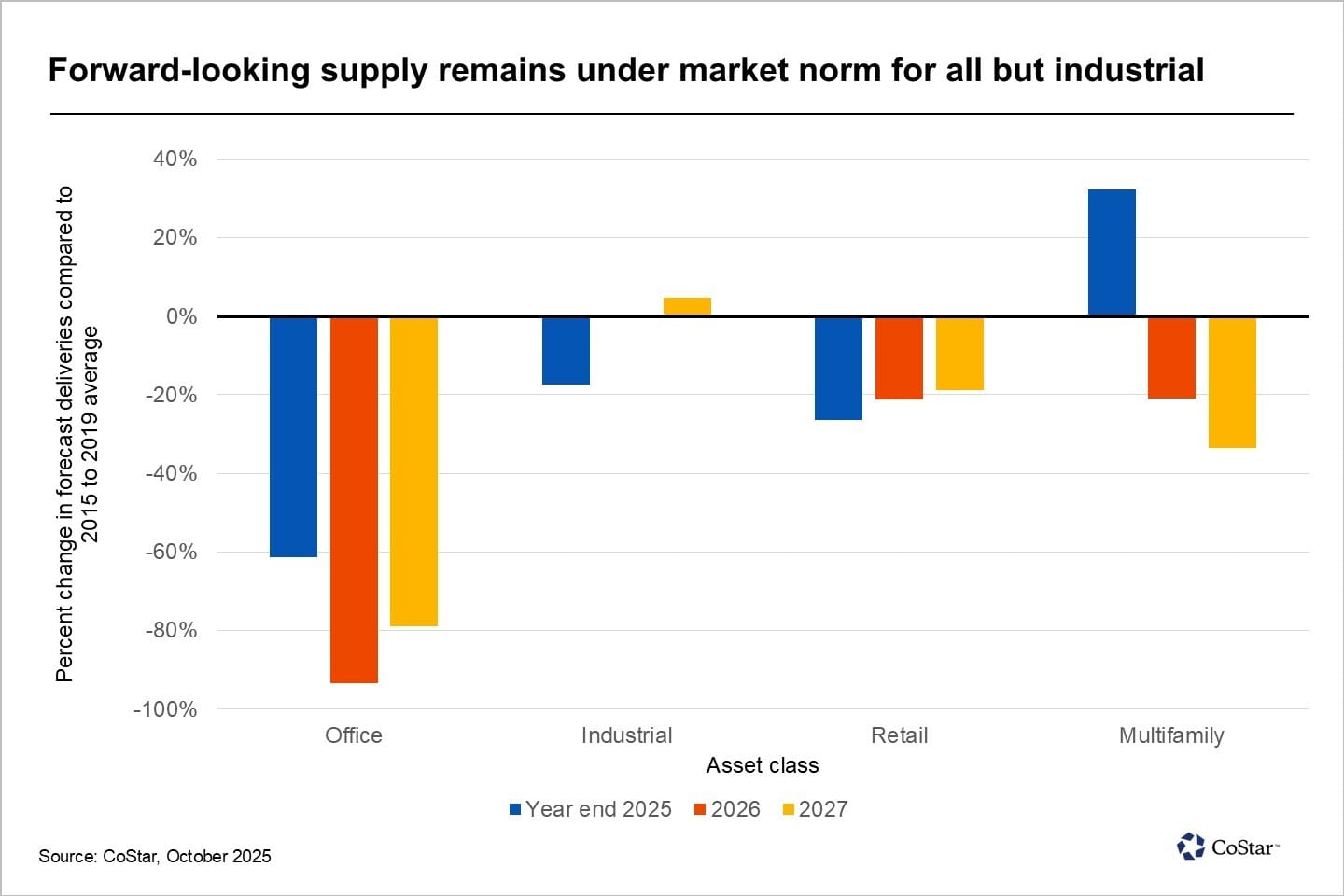
The DFW market is transitioning into a new construction phase marked by a slowdown in office development, a more selective approach to industrial projects, and an evolving housing landscape shaped by affordability and population growth. Developers are recalibrating their priorities, and for real estate professionals, understanding these shifts offers a critical edge in navigating—and capitalizing on—the next phase of the metroplex’s growth.
A new federal lawsuit claims Zillow pushed homebuyers toward Zillow Home Loans by rewarding affiliated agents with valuable leads — all without proper disclosure. The suit alleges undisclosed incentives, referral quotas, and potential RESPA violations, raising major concerns about steering, fiduciary duties, and Zillow’s expanding mortgage ambitions.
The mortgage industry is evolving fast, and the lenders who come out on top will be those who innovate without uprooting what already works. By building on strong technology foundations, streamlining workflows and adopting smart automation, lenders can reduce costs, improve customer experience and stay resilient in any market cycle. This article breaks down why innovation matters now, how a stable tech ecosystem protects lenders in volatile conditions and why small, strategic steps can drive long-term transformation.