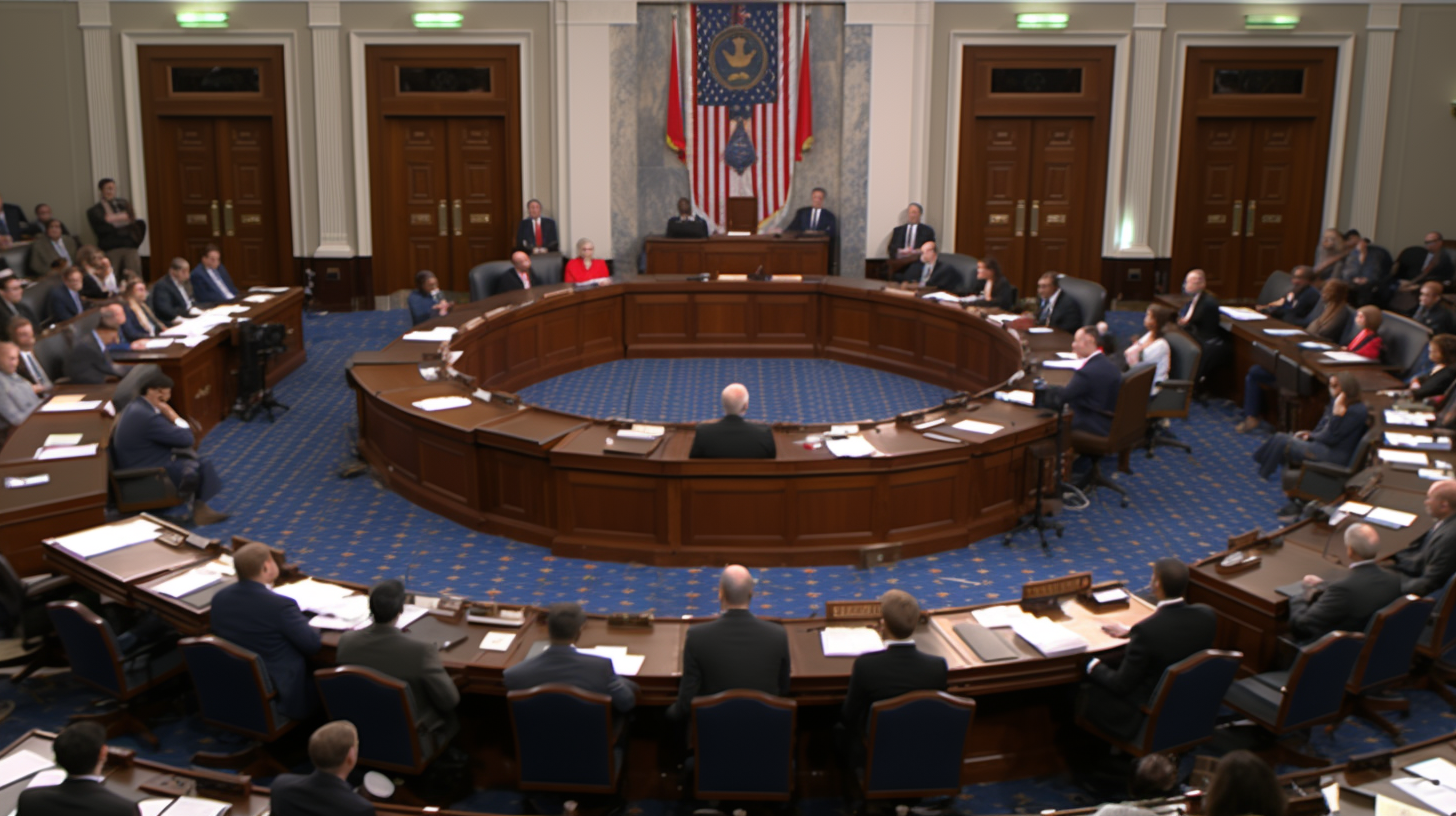
Rohit chopra discussing mortgage servicing rules

Insights into New Mortgage Servicing Regulations, Basel III, and CFPB Funding

Understanding the Impact of Mortgage Servicing Rules, Basel III, and Changes in CFPB Funding

The forthcoming changes in mortgage servicing regulations, proposed updates to Basel III, and discussions surrounding the funding structure of the Consumer Financial Protection Bureau (CFPB) have been making waves in the financial industry. In this article, we delve into the key points raised by CFPB Director Rohit Chopra and explore the potential implications of these developments on the mortgage industry.

As the COVID-19 pandemic continues to impact borrowers, enhancing consumer protections and ensuring that mortgage servicers provide clearer and more timely information has become crucial. The proposed amendments to the mortgage servicing rules aim to address these concerns and establish better communication channels regarding loss mitigation options and foreclosure prevention measures.

In addition to changes in mortgage servicing rules, discussions surrounding Basel III have gained momentum. Basel III is a set of international banking regulations aimed at promoting financial stability. The proposed updates seek to align the U.S. regulatory framework with international standards, ensuring a level playing field for both domestic and foreign banks. These potential changes will have implications for mortgage lenders and their compliance with capital requirements.

Another important aspect of the article focuses on the funding structure of the CFPB. Currently, the bureau’s funding is tied to the Federal Reserve, which has raised concerns about its independence. There have been calls for alternative funding mechanisms to ensure that the CFPB can effectively carry out its mission of protecting consumers in the financial marketplace.

Understanding the Anticipated Amendments to Mortgage Servicing Rules

The anticipated amendments to the mortgage servicing rules are expected to revolutionize the industry by prioritizing consumer protection. These changes will require mortgage servicers to provide clearer and more timely information to borrowers, especially those facing financial hardships due to the ongoing COVID-19 pandemic. By enhancing communication channels and ensuring transparency, these amendments aim to empower borrowers and help them navigate through challenging times.

Implications of Potential Updates to Basel III Regulations

Basel III, a crucial set of international banking regulations, is undergoing potential updates to align with global standards. These updates are aimed at fostering financial stability and creating a level playing field for banks worldwide. Mortgage lenders need to stay informed about these proposed changes to ensure compliance with capital requirements and adapt their strategies accordingly. The impact of these updates on the mortgage industry cannot be underestimated, making it essential for stakeholders to closely monitor their progress.

Impact of Discussions on CFPB’s Funding Structure

The funding structure of the CFPB has been a topic of discussion, with calls for alternative mechanisms to ensure the bureau’s independence. Currently, the CFPB’s funding is tied to the Federal Reserve, raising concerns about potential conflicts of interest. Exploring alternative funding options will help strengthen the CFPB’s ability to protect consumers in the financial marketplace and ensure its autonomy. Stakeholders must closely follow these discussions to understand the potential implications for the industry and the broader financial landscape.

Significant Implications for the Mortgage Industry

These developments hold significant implications for the mortgage industry as a whole. With the ongoing challenges posed by the COVID-19 pandemic and the changing regulatory landscape, stakeholders need to stay informed and adapt to the evolving environment. Lenders, borrowers, and other industry participants must closely monitor the progress of the proposed changes to ensure compliance, seize opportunities, and navigate the ever-changing housing market.

Online Career Education at Cameron Academy

Staying Informed and Adapting to the Changing Landscape

As the mortgage industry undergoes significant changes, it is crucial for stakeholders to stay informed and adapt to the evolving landscape. The anticipated amendments to mortgage servicing rules, potential updates to Basel III, and discussions on the CFPB’s funding structure require close attention. By understanding these developments and their implications, industry participants can make informed decisions, ensure compliance, and navigate the challenges and opportunities that lie ahead.

To learn more about the mortgage industry and stay updated on the latest developments, explore Cameron Academy’s comprehensive courses and resources. Our online career education platform offers flexible schedules, interactive exams, and dedicated support to help you succeed in your chosen path. Start your career journey with Cameron Academy today!

Online Career Education at Cameron Academy

Your Potential Awaits at Cameron Academy

We offer high-quality online courses designed to help you excel in your career. Whether you’re renewing a professional license or seeking real estate education, Cameron Academy offers flexible schedules and dedicated support to help you achieve your goals. Don’t miss out on the opportunity to enhance your skills and advance your career.

Begin Your Career Journey Today

Visit Cameron Academy’s website to explore our wide range of courses and take the first step towards reaching your full potential.

Get Started


More Articles

Getting licensed or staying ahead in your career can be a journey—but it doesn’t have to be overwhelming. Grab your favorite coffee or tea, take a moment to relax, and browse through our articles. Whether you’re just starting out or renewing your expertise, we’ve got tips, insights, and advice to keep you moving forward. Here’s to your success—one sip and one step at a time!

New Policy by REBNY Mandates Direct Payment to Buyer’s Agent

The Real Estate Board of New York (REBNY) has announced a new policy requiring sellers to directly pay the buyer's agent, effective from January 1. This significant shift aims to enhance transparency and address potential conflicts of interest in real estate transactions. The policy comes amidst ongoing lawsuits related to commission sharing and allegations of unethical practices. The implementation of this policy is expected to impact the real estate industry significantly, with sellers needing to factor in the cost of the buyer's agent commission when pricing their properties.

By |October 27, 2023|Categories: Real Estate Policy|Tags: |0 Comments

Senate Decision Sparks Controversy Over Small Business Lending

In a significant development, the U.S. Senate has voted to block the implementation of the Consumer Financial Protection Bureau's (CFPB) small business lending rule. This decision has sparked a heated debate over the impact it may have on small businesses across the country. President Biden, in response, has threatened to veto the Senate's decision, emphasizing his commitment to fair lending practices and supporting small businesses. The CFPB's rule, implemented in October 2020, requires lenders to collect and report data on small business lending. This includes information on the race, sex, and ethnicity of borrowers, with the aim of identifying and addressing potential disparities in access to credit for minority-owned and women-owned small businesses. The Senate's decision to block the CFPB's rule has been celebrated by small business advocates and industry groups critical of the CFPB's regulatory approach. However, the implications of this decision remain uncertain, as President Biden's threatened veto looms large.

By |October 26, 2023|Categories: Small Business Lending|Tags: |0 Comments

Assessing the Merits of Class-Action Commission Lawsuits

The world of real estate has recently been shaken by a wave of class-action commission lawsuits, sparking a contentious debate. These lawsuits demand scrutiny to understand their implications and validity. A primary counter-argument is the freedom of consumer choice. In today's digital age, potential buyers and sellers have access to a wealth of online resources, enabling them to undertake real estate transactions independently. Another critical factor is the negotiability of commissions in the real estate sector. Commission rates are not fixed, they are subject to negotiation between the agent and the client. This flexibility allows for open discussions, leading to mutually agreeable terms. Despite the emergence of discount brokerage firms, consumers continue to place their trust in traditional real estate agents. This preference stems not only from cost considerations but also from the value of expertise, guidance, and personalized service that agents offer. Real estate transactions are complex and often involve significant financial investments. Trusted agents provide invaluable insights, market knowledge, and negotiation skills, helping clients make informed decisions and navigate potential challenges confidently.

Understanding the Current Housing Market: The Affordability of the Typical US Home

In the last two years, the housing market has seen a dramatic shift. Soaring mortgage rates and rising home prices have led to the fastest erosion in housing market affordability in modern history, with first-time homebuyers feeling the impact the most. The housing market has undergone significant changes over the past two years, leading to a substantial increase in the income required to purchase a median-priced home. According to recent data from Redfin, a homebuyer must now earn $114,627 to afford the typical U.S. home. This is a 15% increase from the previous year and more than 50% higher than pre-pandemic levels.

Unwavering New Listings Data Amid 8% Mortgage Rates

The housing market has shown remarkable resilience in the face of rising mortgage rates. Despite rates reaching 8%, new listings data remains steady, indicating a healthy supply of homes for sale. This stability is a positive sign for both buyers and sellers, demonstrating the strength of the housing market. Despite the increase in mortgage rates, sellers in the housing market have maintained their confidence. This confidence is reflected in the steady new listing data, as sellers continue to list their properties without hesitation. It indicates that sellers believe there is still strong demand from buyers and that the potential financial impact of higher mortgage rates does not outweigh the benefits of selling their homes.

Revolution in the Real Estate Industry: New Requirement for Sellers to Compensate Buyers’ Agents

The Real Estate Board of New York (REBNY) has introduced a groundbreaking requirement for sellers to directly compensate buyers' agents. This significant change has the potential to transform the real estate industry, eliminating conflicts of interest and promoting a more client-centric approach. This shift in the compensation landscape aims to create a more transparent and trustworthy environment for buyers. Moreover, this shift towards a client-centric approach aligns with the mission and values of Cameron Academy. As a leading provider of real estate education, Cameron Academy is committed to empowering professionals to navigate the evolving industry landscape and prioritize the best interests of their clients.

By |October 25, 2023|Categories: Real Estate Industry|Tags: |0 Comments