Insurance Groundhogs Peek Into 2026: Are Market Shifts Finally Settling In?

Curious marmot at burrow

When Punxsutawney Phil announced that spring was still more than a month away, he may as well have been signaling the uncertain thaw of the property and casualty insurance market. Winter may be lingering, but executives across the industry are stepping into 2026 with a blend of strategic optimism, cautious confidence, and a renewed commitment to smarter, technology‑powered operations.

As January’s earnings calls wrapped, major P/C insurers and reinsurers delivered their outlook on the year ahead—highlighting trends in rate behavior, combined ratio resilience, and the surging momentum of AI-driven efficiency. Carrier Management provided the foundation for this evolving industry snapshot.

Early 2026 Snapshot: A Market Unfreezing?

Seven major North American insurers posted an average 5% net premium growth in Q4 2025. While softer than earlier quarters, combined ratios still improved—signaling disciplined underwriting and sustained profitability. Full-year results shined even brighter, with 8% growth and a two‑point combined ratio improvement.

With every company remaining below breakeven—and most dipping under 90—the market appears to be inching toward stability, despite competitive specialty segments and fluctuating property pricing.

“We don’t measure success by how fast we grow. We measure it by how well we grow.” — Craig Kliethermes, CEO of RLI

Commercial Lines: Selective Momentum

Commercial lines performance varied widely, from RLI’s slight 1.6% dip to AXIS Capital’s impressive 12.8% surge. Renewal premium increases added momentum, with Travelers reporting a 6.1% rise and Berkley exceeding 7% in its specialty lines.

Property pricing remained the unpredictable wildcard. Executives labeled the segment “varied” and “moderating,” with the fiercest competition appearing in shared-and-layered large accounts.

Personal Lines: Progressive Leads While Competitors Adjust

Progressive continued to dominate with an 11.8% full-year premium jump, powered largely by a 15% rate increase in personal auto. Yet even they saw Q4 growth taper into single digits—suggesting personal lines may finally be stabilizing after years of dramatic correction.

Property-heavy carriers like Travelers and The Hartford saw slower growth, reflecting ongoing volatility in homeowner and catastrophe‑related segments.

AI and Efficiency: The Industry’s New Growth Engine

From The Hartford’s declared “AI-first mindset” to Travelers preparing over 20,000 employees for what they call “Innovation 2.0,” insurers are leaning hard into automation to streamline claims, reduce costs, and expand growth capacity.

For professionals in insurance, mortgage, finance, or even real estate, this rapid surge toward AI-driven efficiency underscores the growing need for continuous education. Cameron Academy—a trusted licensing and continuing education provider across all 50 states—has become an essential partner in helping today’s workforce stay sharp and competitive.

Winter Storm Fern & Catastrophe Outlook

While early predictions hinted at severe impact, The Hartford reported lighter-than-expected claims losses from Winter Storm Fern. Overall industry estimates now range between $4 billion and $6.7 billion—significant, yet far from catastrophic as carriers enter 2026 with cautious watchfulness.

Explore the Full Insights

Carrier Management Full Feature

A deep dive into financial performance, market expectations, and executive perspective.

Read the Full Report

Executive Commentary

Hear directly from the leaders shaping the industry’s next moves.

Earlier January Highlights

More industry-moving insights from carriers reporting earlier in the month.

As insurers grapple with shifting rates, emerging claims behavior, and the exponential rise of AI-powered operations, one thing remains certain: 2026 is poised to be a defining year. Whether you’re in insurance, real estate, mortgage, or any professional licensing field, staying informed—and staying educated—is now more important than ever.

For professionals looking to elevate their careers, Cameron Academy provides licensing and continuing education across all 50 states, empowering today’s workforce to thrive in tomorrow’s rapidly transforming industries.


More Articles

Getting licensed or staying ahead in your career can be a journey—but it doesn’t have to be overwhelming. Grab your favorite coffee or tea, take a moment to relax, and browse through our articles. Whether you’re just starting out or renewing your expertise, we’ve got tips, insights, and advice to keep you moving forward. Here’s to your success—one sip and one step at a time!

Why Today’s High Mortgage Rates Matter More Than Ever for the Housing Market

A growing share of American homeowners now carry mortgage rates above 5%—a dramatic shift that’s reshaping refinancing, inventory, and buyer behavior nationwide. With more than 30% of borrowers locked into rates over 5% and 20% above 6%, the market is split between owners holding on to low pandemic‑era loans and new buyers taking on higher‑rate mortgages. Federal efforts to push rates down could unlock millions of refinancing opportunities, while buyers see only modest monthly savings. For real estate professionals, understanding these rate dynamics is crucial as they increasingly drive inventory levels, affordability, and market activity.

CRE Deal Volume Dips in December, but Office Sector Stages an Unexpected Comeback

New Moody’s data shows commercial real estate deal volume slipped 20% in December, marking a second monthly decline. Yet the full year tells a different story: 2025 ended with a 17% gain, signaling a quiet but resilient recovery. The biggest surprise came from the office sector, which posted a 21% jump in activity as return‑to‑office trends and AI‑driven job growth boosted demand. Multifamily, retail, and alternative assets like data centers also saw strong momentum, giving real estate professionals a market full of fresh opportunities heading into 2026.

Florida Kicks Off 2026 With Major Auto Insurance Rate Cuts and Market Stability

Florida drivers and industry professionals are heading into 2026 with good news: auto insurance rates are dropping across the state as the market shows strong signs of stabilization. USAA leads the latest wave with a 7% average rate decrease expected in May 2026, saving members more than $125 million annually. They join several major insurers — including State Farm, Progressive, AAA, Allstate, and Florida Farm Bureau — all approving significant reductions. Officials credit recent legislative reforms, especially tort reform, for the improved loss ratios and renewed insurer confidence. With both auto and home insurance markets strengthening, Florida’s real estate, mortgage, and insurance professionals can expect more consumer confidence, smoother transactions, and expanding career opportunities.

The 2024 Housing Shortage: Why America Is Still 1.2 Million Homes Behind

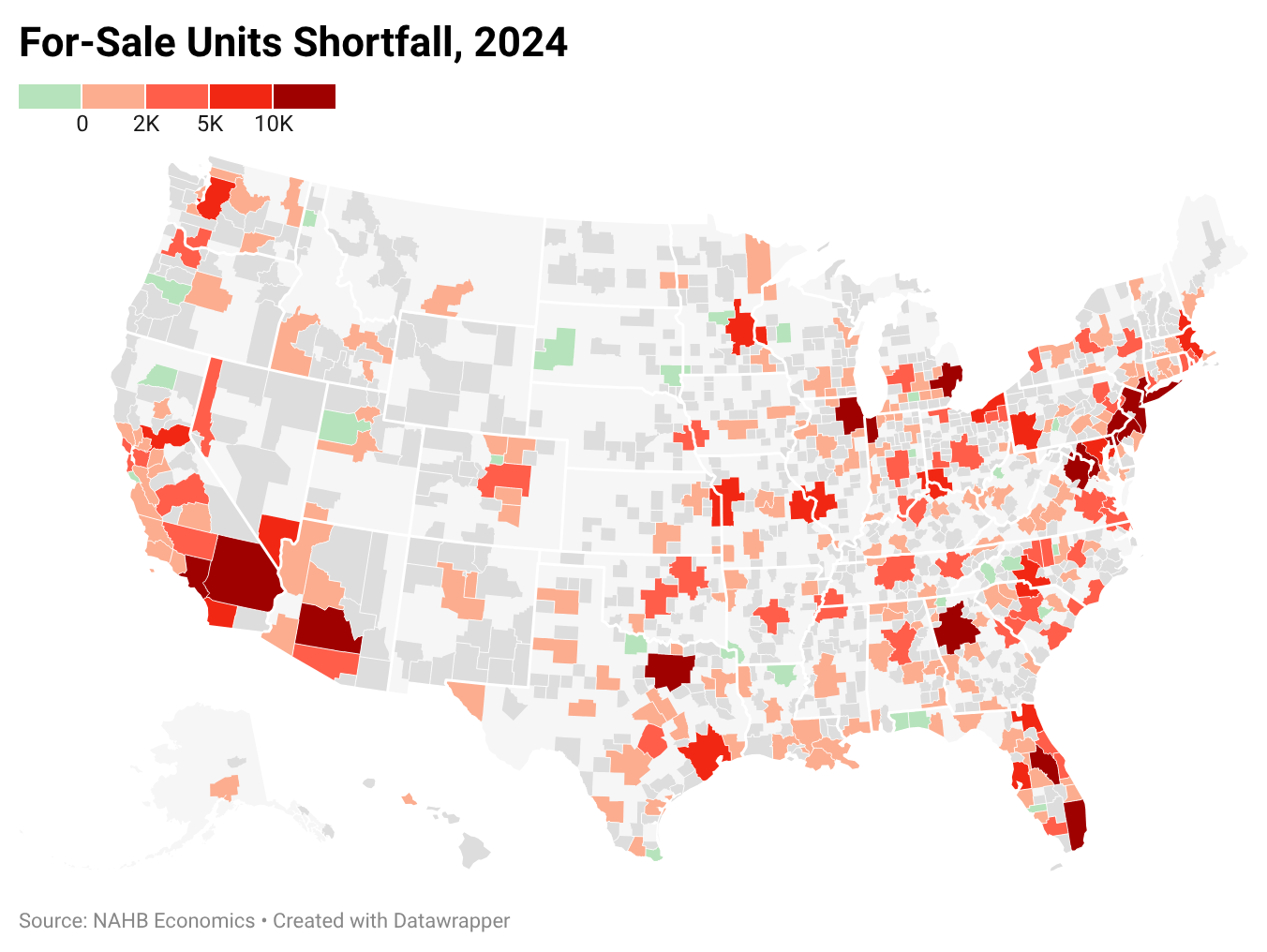
New data from Eye On Housing and the NAHB shows the U.S. remains short more than 1.2 million housing units, keeping pressure on both rents and home prices. Record‑low vacancy rates, slow single‑family construction, and restrictive zoning continue to fuel intense competition in 2024. Major metros like Chicago, New York, and Atlanta face some of the deepest deficits, and the true nationwide shortfall may be even higher when accounting for overcrowding and aging homes. For real estate professionals, the ongoing shortage means sustained demand, tighter inventory, and major opportunities for those who understand the evolving market.

AI Isn’t the Shiny Object Anymore — It’s the New System Driving Real Estate Success

Top real estate coach Jason Pantana says the divide between agents today isn’t about who has “tried” AI — it’s about who is immersed in it. In a new HousingWire interview, he explains why AI isn’t a gimmick but a full business system that amplifies output, improves authenticity, and reshapes how clients search for agents. From prompt mastery to AI‑driven visibility on Google, Pantana reveals how agents who commit even 15 minutes a day to learning AI are already outperforming those who hesitate.

DFW Commercial Real Estate 2025: Industrial Surges, Retail Shines, Office Struggles

Dallas–Fort Worth’s commercial real estate market closed 2025 with a split personality. Industrial dominated with massive new deliveries and soaring leasing demand, retail held steady with some of the market’s strongest fundamentals in years, and office continued to falter under remote‑work pressures. High vacancies, weak absorption, and rising demand for top‑tier space show the sector’s ongoing reset. Meanwhile, industrial and retail strength position the Metroplex for another powerhouse year heading into 2026.