Insurance Regulation Takes Center Stage: What Professionals Need to Know This Month
Every month, the regulatory gears of the insurance industry turn—sometimes quietly, sometimes with decisive impact. October 2025 was one of those months where change surged forward, offering both challenges and opportunities for professionals across the financial and insurance sectors.
BDO’s latest Insurance Regulatory eBulletin delivers a detailed breakdown of October’s developments, and for anyone working in insurance, finance, compliance—or pursuing a related license through institutions like Cameron Academy—it’s a snapshot of an evolving landscape that demands attention.
Stricter Oversight and Higher Expectations
Nicola Ball of BDO’s Financial Services Advisory led this month’s commentary, spotlighting an undeniable trend: regulators want better behavior, clearer communication, and stronger consumer outcomes from retail insurers. The Which? Super Complaint only intensified scrutiny, making it clear that the era of leniency is officially over.
The Prudential Regulation Authority (PRA) also stepped forward with updates under Solvency UK. Streamlined Standard Formula reporting and the Matching Adjustment Investment Accelerator signal a push toward both efficiency and growth.
FCA Moves on ESG, Transparency, and Travel Insurance
The Financial Conduct Authority (FCA) welcomed new legislation for ESG ratings providers while stressing the importance of sustainability in financial decision-making. With updated guidance on national security, green finance, whistleblowing transparency, and motor finance research, October became one of the FCA’s busiest months of the year.
Notably, the FCA announced impactful new rules for travel insurance under ICOBS beginning January 2026—urging firms to prepare well ahead of time.
EIOPA and European Shifts
Across the EU, EIOPA launched six major consultations related to Solvency II, issued diversity guidelines for management bodies, and published the 2026 Joint Committee work plan with the EBA and ESMA. Their latest Insurance Risk Dashboard shows stability overall—yet rising ESG risks cast a long shadow.
EIOPA’s emphasis on regulatory simplification and burden reduction is particularly relevant for cross-border insurers and professionals looking to expand their expertise.
Corporate Governance Gets a Spotlight
Fraud, going concern evaluations, and stewardship reform all saw meaningful updates in October. The Financial Reporting Council (FRC) proposed revisions to auditor responsibilities, while the ICO opened the floor for feedback on enforcement processes. Meanwhile, the G7 Expert Group delivered fresh insights on AI and cyber security—core themes for risk and compliance teams preparing for 2026.
Why This Matters for Licensed Professionals
Staying informed about regulatory change isn’t just a compliance requirement—it’s a strategic advantage for anyone building or advancing a career in insurance, financial services, or risk management.
Whether you’re an insurance professional, a financial analyst, or someone working toward your next credential, these shifting regulations influence your daily decisions and long-term planning.
At Cameron Academy, we equip professionals to not only understand these changes but use them to elevate their careers. Knowledge isn’t just power—it’s opportunity.
Dive Deeper Into the Full Update
BDO provides an exceptional and detailed breakdown of all monthly updates, complete with commentary, historical data, and downloadable briefings.
If you want to explore previous months—or even previous years—the bulletin archives offer a goldmine of clarity into regulatory trends, market shifts, and supervisory direction.
As the insurance landscape continues to evolve, staying ahead means staying informed. And for professionals sharpening their edge through Cameron Academy, updates like these help transform knowledge into long-term success.
More Articles
Getting licensed or staying ahead in your career can be a journey—but it doesn’t have to be overwhelming. Grab your favorite coffee or tea, take a moment to relax, and browse through our articles. Whether you’re just starting out or renewing your expertise, we’ve got tips, insights, and advice to keep you moving forward. Here’s to your success—one sip and one step at a time!
A growing share of American homeowners now carry mortgage rates above 5%—a dramatic shift that’s reshaping refinancing, inventory, and buyer behavior nationwide. With more than 30% of borrowers locked into rates over 5% and 20% above 6%, the market is split between owners holding on to low pandemic‑era loans and new buyers taking on higher‑rate mortgages. Federal efforts to push rates down could unlock millions of refinancing opportunities, while buyers see only modest monthly savings. For real estate professionals, understanding these rate dynamics is crucial as they increasingly drive inventory levels, affordability, and market activity.
New Moody’s data shows commercial real estate deal volume slipped 20% in December, marking a second monthly decline. Yet the full year tells a different story: 2025 ended with a 17% gain, signaling a quiet but resilient recovery. The biggest surprise came from the office sector, which posted a 21% jump in activity as return‑to‑office trends and AI‑driven job growth boosted demand. Multifamily, retail, and alternative assets like data centers also saw strong momentum, giving real estate professionals a market full of fresh opportunities heading into 2026.
Florida drivers and industry professionals are heading into 2026 with good news: auto insurance rates are dropping across the state as the market shows strong signs of stabilization. USAA leads the latest wave with a 7% average rate decrease expected in May 2026, saving members more than $125 million annually. They join several major insurers — including State Farm, Progressive, AAA, Allstate, and Florida Farm Bureau — all approving significant reductions. Officials credit recent legislative reforms, especially tort reform, for the improved loss ratios and renewed insurer confidence. With both auto and home insurance markets strengthening, Florida’s real estate, mortgage, and insurance professionals can expect more consumer confidence, smoother transactions, and expanding career opportunities.
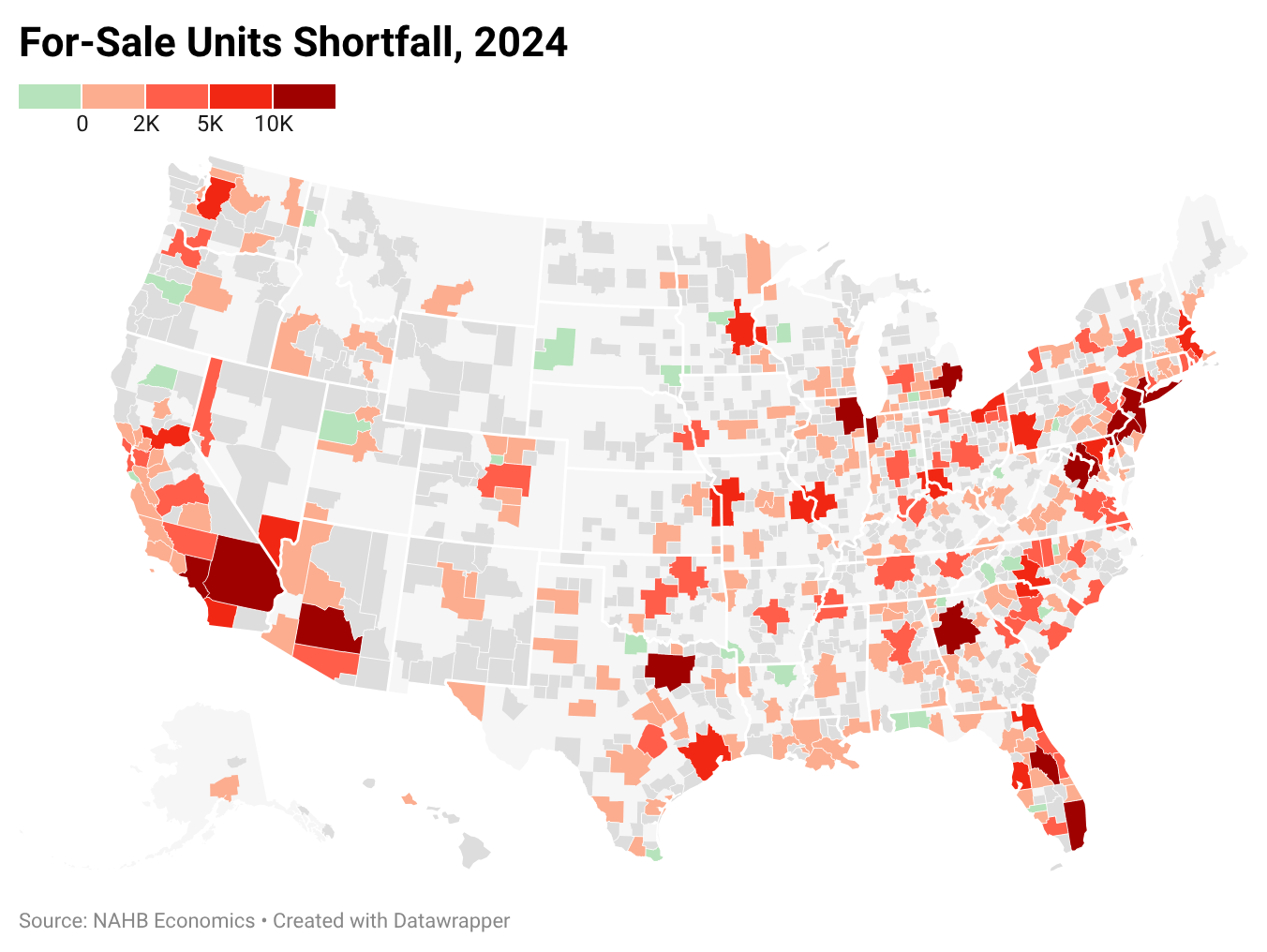
New data from Eye On Housing and the NAHB shows the U.S. remains short more than 1.2 million housing units, keeping pressure on both rents and home prices. Record‑low vacancy rates, slow single‑family construction, and restrictive zoning continue to fuel intense competition in 2024. Major metros like Chicago, New York, and Atlanta face some of the deepest deficits, and the true nationwide shortfall may be even higher when accounting for overcrowding and aging homes. For real estate professionals, the ongoing shortage means sustained demand, tighter inventory, and major opportunities for those who understand the evolving market.
Top real estate coach Jason Pantana says the divide between agents today isn’t about who has “tried” AI — it’s about who is immersed in it. In a new HousingWire interview, he explains why AI isn’t a gimmick but a full business system that amplifies output, improves authenticity, and reshapes how clients search for agents. From prompt mastery to AI‑driven visibility on Google, Pantana reveals how agents who commit even 15 minutes a day to learning AI are already outperforming those who hesitate.
Dallas–Fort Worth’s commercial real estate market closed 2025 with a split personality. Industrial dominated with massive new deliveries and soaring leasing demand, retail held steady with some of the market’s strongest fundamentals in years, and office continued to falter under remote‑work pressures. High vacancies, weak absorption, and rising demand for top‑tier space show the sector’s ongoing reset. Meanwhile, industrial and retail strength position the Metroplex for another powerhouse year heading into 2026.