In a rapidly evolving digital landscape, the concept of real estate has transcended its physical boundaries, venturing into the virtual realm of the metaverse. As highlighted in an insightful piece by Influencer Marketing Hub, the metaverse real estate market is burgeoning, offering both tantalizing opportunities and significant risks for investors.
Metaverse real estate consists of parcels of land in virtual worlds. These digital spaces, while intangible, hold immense potential for social interaction, gaming, and business ventures. Investors can buy, sell, and lease these properties using specific cryptocurrencies, making the process both straightforward and speculative. Unlike traditional real estate, metaverse properties are not subject to physical depreciation, offering a unique investment avenue.
Why Invest in Metaverse Real Estate?
The allure of metaverse real estate lies in its versatility. From hosting virtual events to creating interactive gaming environments, the possibilities are boundless. Brands can leverage these spaces for virtual product launches and unique customer experiences, while investors can develop and rent out properties, mirroring the strategies used in physical real estate.
Current Market Dynamics
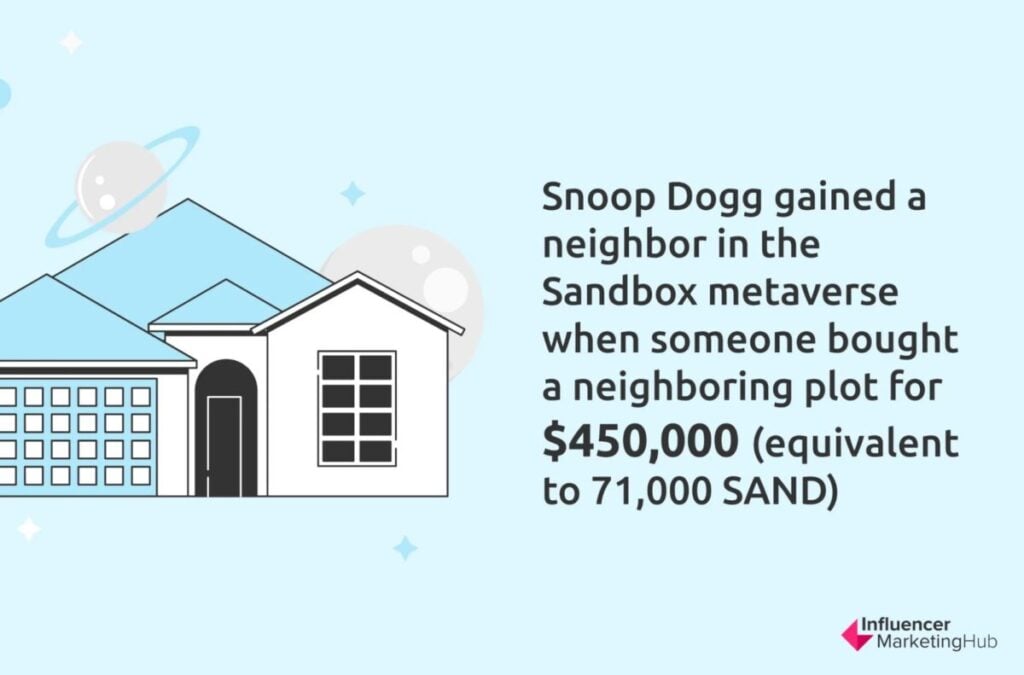
The market for metaverse real estate has seen dramatic fluctuations. During its peak in 2022, prices soared, with some properties selling for as much as $450,000, such as the plot adjacent to Snoop Dogg’s in The Sandbox. However, recent trends indicate a downturn, with prices plummeting by up to 95% in some areas, underscoring the market’s volatility.
Choosing the Right Platform
Investors looking to dive into the metaverse should consider platforms like Sandbox, Decentraland, and Voxels. These platforms offer unique experiences and opportunities for monetization, from user-generated content to social interactions and virtual reality experiences.
Factors Influencing Property Value
Platform: Prime locations on popular platforms command higher prices.
Location: Proximity to popular landmarks or well-trafficked areas increases value.
Attributes and Size: Unique features and larger plots generally cost more.
Market Trends: Prices fluctuate with supply and demand dynamics.
Risks and Challenges
Despite its potential, investing in metaverse real estate is not without risks. The market’s volatility, coupled with the lack of regulation and the speculative nature of cryptocurrencies, makes it a high-stakes venture. Investors are advised to conduct thorough research and approach with caution.
As the metaverse continues to evolve, it presents both challenges and opportunities for the real estate industry. While the risks are significant, the potential rewards could be substantial for those who navigate this new frontier wisely.
Getting licensed or staying ahead in your career can be a journey—but it doesn’t have to be overwhelming. Grab your favorite coffee or tea, take a moment to relax, and browse through our articles. Whether you’re just starting out or renewing your expertise, we’ve got tips, insights, and advice to keep you moving forward. Here’s to your success—one sip and one step at a time!
Florida homeowners are getting long‑awaited relief this spring as insurance premiums drop across the state, with some counties seeing reductions of up to 14 percent. After years of skyrocketing rates and insurer withdrawals, a series of legislative reforms has attracted new companies, reduced lawsuits, and restored competition—leading to lower costs for more than 330,000 Citizens policyholders and multiple private‑market rate cuts. This shift is boosting not only homeowners, but also Florida’s broader economy and real estate market, offering valuable insights for professionals in real estate, insurance, mortgage, and finance.
Artificial intelligence has transformed real estate marketing by making it easy to generate polished, digitally enhanced listing photos. But as AI tools increasingly replace reality with idealized versions of homes, a new issue has emerged: housefishing. Buyers and renters are showing up to properties that look nothing like the online images, leading regulators to step in and require transparency. With laws like California’s newly enacted Assembly Bill 723, the industry is being pushed toward clearer labeling and ethical use of AI. As trust becomes a growing concern, real estate professionals must balance innovation with accuracy to stay compliant and credible.
Massachusetts has unanimously advanced bill S.2947, a major push to curb housing discrimination by expanding fair housing education requirements for real estate agents. The proposal increases training hours for both current and future licensees and doubles penalties for violations, marking a significant shift toward stronger consumer protections and higher professional standards across the state’s housing market.
Energy costs have moved from a background expense to a major force influencing affordability, property values, and development across the Hudson Valley. Aging housing stock, grid constraints, and rising utility bills are reshaping both residential and commercial real estate decisions—rewarding energy‑efficient properties and pressuring households already struggling to balance essential expenses.
AI is transforming the daily workflow of real estate pros by speeding up marketing, simplifying client communication, and sharpening pricing strategies. As highlighted in an NBC 6 feature, agents are using AI to draft listing descriptions, generate social media content, organize inquiries, and analyze market data in minutes. Whether you're new to the industry or an experienced agent, AI is quickly becoming an essential tool for working smarter and staying competitive.