In a rapidly evolving digital landscape, the concept of real estate has transcended its physical boundaries, venturing into the virtual realm of the metaverse. As highlighted in an insightful piece by Influencer Marketing Hub, the metaverse real estate market is burgeoning, offering both tantalizing opportunities and significant risks for investors.
Metaverse real estate consists of parcels of land in virtual worlds. These digital spaces, while intangible, hold immense potential for social interaction, gaming, and business ventures. Investors can buy, sell, and lease these properties using specific cryptocurrencies, making the process both straightforward and speculative. Unlike traditional real estate, metaverse properties are not subject to physical depreciation, offering a unique investment avenue.
Why Invest in Metaverse Real Estate?
The allure of metaverse real estate lies in its versatility. From hosting virtual events to creating interactive gaming environments, the possibilities are boundless. Brands can leverage these spaces for virtual product launches and unique customer experiences, while investors can develop and rent out properties, mirroring the strategies used in physical real estate.
Current Market Dynamics
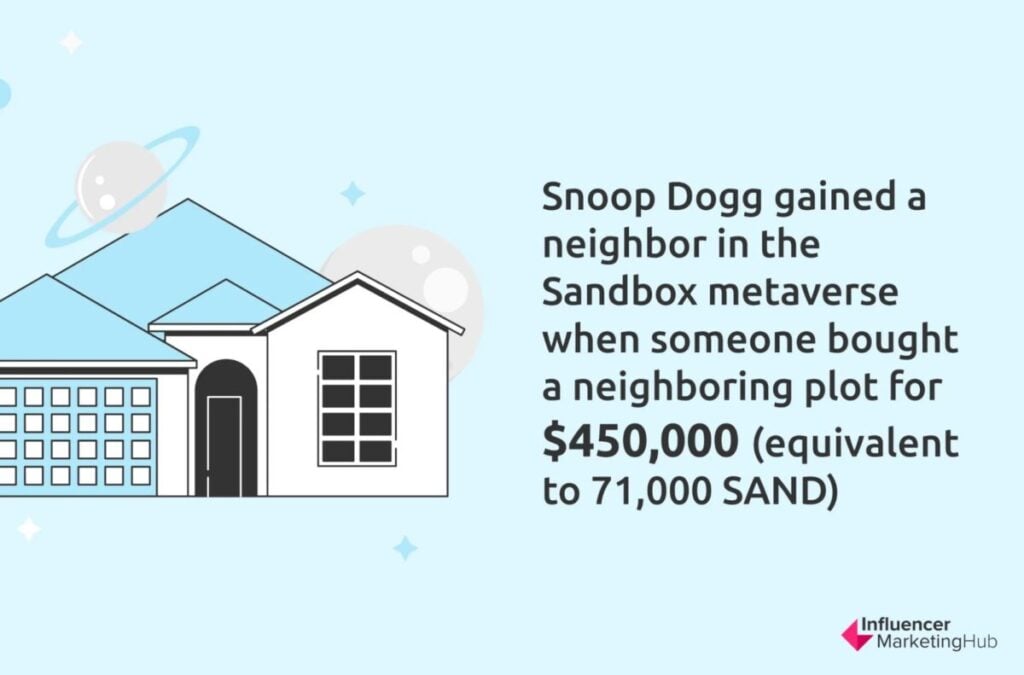
The market for metaverse real estate has seen dramatic fluctuations. During its peak in 2022, prices soared, with some properties selling for as much as $450,000, such as the plot adjacent to Snoop Dogg’s in The Sandbox. However, recent trends indicate a downturn, with prices plummeting by up to 95% in some areas, underscoring the market’s volatility.
Choosing the Right Platform
Investors looking to dive into the metaverse should consider platforms like Sandbox, Decentraland, and Voxels. These platforms offer unique experiences and opportunities for monetization, from user-generated content to social interactions and virtual reality experiences.
Factors Influencing Property Value
Platform: Prime locations on popular platforms command higher prices.
Location: Proximity to popular landmarks or well-trafficked areas increases value.
Attributes and Size: Unique features and larger plots generally cost more.
Market Trends: Prices fluctuate with supply and demand dynamics.
Risks and Challenges
Despite its potential, investing in metaverse real estate is not without risks. The market’s volatility, coupled with the lack of regulation and the speculative nature of cryptocurrencies, makes it a high-stakes venture. Investors are advised to conduct thorough research and approach with caution.
As the metaverse continues to evolve, it presents both challenges and opportunities for the real estate industry. While the risks are significant, the potential rewards could be substantial for those who navigate this new frontier wisely.
“`
More Articles
Getting licensed or staying ahead in your career can be a journey—but it doesn’t have to be overwhelming. Grab your favorite coffee or tea, take a moment to relax, and browse through our articles. Whether you’re just starting out or renewing your expertise, we’ve got tips, insights, and advice to keep you moving forward. Here’s to your success—one sip and one step at a time!
The 2026 housing market is off to a powerful start, with rising buyer activity, expanding inventory, and steady pricing creating one of the most balanced environments in years. Pending home sales and mortgage applications are climbing, inventory has reached 2.6 months of supply, and new listings continue to grow—all signaling renewed confidence and fresh opportunity for real estate professionals nationwide.
A wave of optimism is returning to U.S. commercial real estate heading into 2026, with 95% of investors planning to buy the same or more property than last year. Capital allocations are rising, Sun Belt cities continue to shine, and multifamily remains the top asset class. As pricing stabilizes and debt pressures ease, professionals across real estate and finance are entering a year defined by strategic growth and renewed opportunity.
Floridians were told insurance relief was on the way, but many homeowners are seeing the opposite as premiums continue to rise. Despite state leaders insisting the market is improving and insurers filing rate decreases, homeowners like Lisa Riggi say the real‑world impact tells a different story. Higher property valuations, inflation, and updated replacement‑cost calculations are driving premiums upward, leaving some families questioning whether they can afford to remain in Florida.
Florida once promised retirees sunshine, low costs, and a $20,000 condo by the pool. But in 2026, soaring insurance rates, rising taxes, shrinking affordable housing, and an influx of wealthier newcomers have transformed the state into a far more expensive version of the paradise our parents knew. From corporate buyouts of mobile home parks to multimillion‑dollar estates redefining the market, today’s Florida is a place of widening gaps, disappearing middle‑range homes, and a future that demands deeper pockets—and smarter market insight.
Mortgage rates continue easing into the low 6% range, giving buyers and real estate professionals a welcome boost in early February 2026. Softer labor market data and slipping Treasury yields are helping keep rates stable, with 30‑year fixed loans averaging around 6.26% and refinance rates also trending lower. While affordability remains tight, today’s calmer rate environment is opening doors for more buyers—and offers agents a clearer outlook as they guide clients through a still‑shifting market.
A new CBRE survey reveals that U.S. commercial real estate investors are preparing to ramp up acquisitions in 2026, signaling renewed confidence across the sector. Dallas leads the nation for the fifth straight year as the top investment market, followed by Atlanta and San Francisco. Florida markets like Miami and Tampa continue to rise, while cities such as Charlotte, Nashville, Seattle, and New York also attract strong investor attention. With activity heating up nationwide, 2026 is shaping into a powerful year for commercial real estate professionals.