In a rapidly evolving digital landscape, the concept of real estate has transcended its physical boundaries, venturing into the virtual realm of the metaverse. As highlighted in an insightful piece by Influencer Marketing Hub, the metaverse real estate market is burgeoning, offering both tantalizing opportunities and significant risks for investors.
Metaverse real estate consists of parcels of land in virtual worlds. These digital spaces, while intangible, hold immense potential for social interaction, gaming, and business ventures. Investors can buy, sell, and lease these properties using specific cryptocurrencies, making the process both straightforward and speculative. Unlike traditional real estate, metaverse properties are not subject to physical depreciation, offering a unique investment avenue.
Why Invest in Metaverse Real Estate?
The allure of metaverse real estate lies in its versatility. From hosting virtual events to creating interactive gaming environments, the possibilities are boundless. Brands can leverage these spaces for virtual product launches and unique customer experiences, while investors can develop and rent out properties, mirroring the strategies used in physical real estate.
Current Market Dynamics
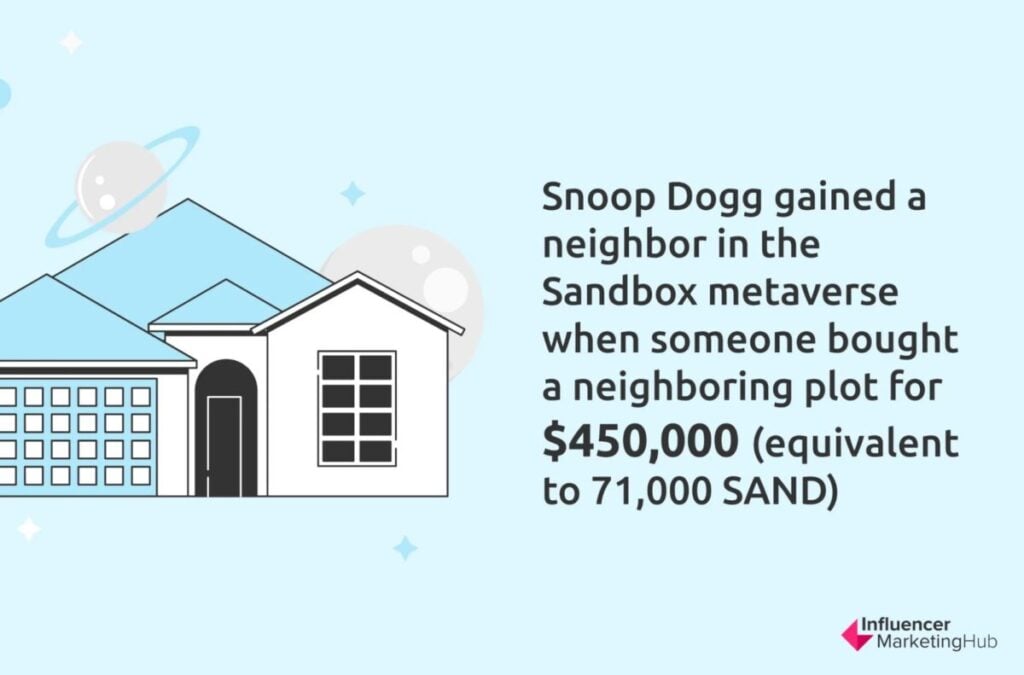
The market for metaverse real estate has seen dramatic fluctuations. During its peak in 2022, prices soared, with some properties selling for as much as $450,000, such as the plot adjacent to Snoop Dogg’s in The Sandbox. However, recent trends indicate a downturn, with prices plummeting by up to 95% in some areas, underscoring the market’s volatility.
Choosing the Right Platform
Investors looking to dive into the metaverse should consider platforms like Sandbox, Decentraland, and Voxels. These platforms offer unique experiences and opportunities for monetization, from user-generated content to social interactions and virtual reality experiences.
Factors Influencing Property Value
Platform: Prime locations on popular platforms command higher prices.
Location: Proximity to popular landmarks or well-trafficked areas increases value.
Attributes and Size: Unique features and larger plots generally cost more.
Market Trends: Prices fluctuate with supply and demand dynamics.
Risks and Challenges
Despite its potential, investing in metaverse real estate is not without risks. The market’s volatility, coupled with the lack of regulation and the speculative nature of cryptocurrencies, makes it a high-stakes venture. Investors are advised to conduct thorough research and approach with caution.
As the metaverse continues to evolve, it presents both challenges and opportunities for the real estate industry. While the risks are significant, the potential rewards could be substantial for those who navigate this new frontier wisely.
“`
More Articles
Getting licensed or staying ahead in your career can be a journey—but it doesn’t have to be overwhelming. Grab your favorite coffee or tea, take a moment to relax, and browse through our articles. Whether you’re just starting out or renewing your expertise, we’ve got tips, insights, and advice to keep you moving forward. Here’s to your success—one sip and one step at a time!
PropTech investment surged nearly 68% in 2025, hitting a massive $16.7 billion and surpassing pre-pandemic highs. Investors are shifting toward practical, AI-powered tools that streamline operations, improve efficiency, and deliver immediate results. With 2026 shaping up to be a year of selective but strong growth, real estate professionals who stay ahead of tech trends will gain a major competitive edge.
Florida homeowners are finally seeing real relief as Citizens Property Insurance Corp. unveils an average 8.7% rate decrease for 2026—its largest cut in over a decade. Sparked by recent legislative reforms, a calm hurricane season, and renewed competition from insurers reentering the state, the drop is poised to significantly impact homeowners, real estate professionals, and industry trainees across Florida.
Tampa’s commercial real estate market is still growing, but investors are shifting from rapid dealmaking to highly selective, detail‑driven decisions. Population growth, steady office demand, stabilizing industrial activity, and a rebound in retail are keeping the market strong, while health‑care properties are emerging as a major sector for 2026. The region’s next chapter is defined by precision, disciplined underwriting, and long‑term strategy rather than speed.
Homesage.ai has released a new AI-powered comps engine that cuts property valuation time from hours to seconds by analyzing hundreds of data points across listings, public records, and proprietary datasets. Designed for agents, investors, and lenders, the tool delivers highly accurate comparable properties and real-time market insights, giving professionals a competitive edge in today’s rapidly shifting housing landscape.
A panel of federal judges is closely examining whether the National Association of Realtors’ billion‑dollar antitrust settlements—and similar deals struck by major brokerages—are genuinely fair to the millions of buyers and sellers affected. With plaintiffs arguing that homebuyers’ rights were improperly dismissed and compensation falls far short of true losses, the court’s upcoming decision could reshape commission practices and spark one of the most significant structural shifts in modern real estate.
The SEC is proposing a dramatic shift in how it defines a “small” registered investment adviser — raising the threshold from under 25 million in assets to under 1 billion. The change would instantly reclassify about 96 percent of RIAs and could create ripple effects across mergers and acquisitions, integration planning, and breakaway adviser activity. While the move aims to reduce administrative burden, it may also introduce new complexities for firms scaling past the billion‑dollar mark.