In a rapidly evolving digital landscape, the concept of real estate has transcended its physical boundaries, venturing into the virtual realm of the metaverse. As highlighted in an insightful piece by Influencer Marketing Hub, the metaverse real estate market is burgeoning, offering both tantalizing opportunities and significant risks for investors.
Metaverse real estate consists of parcels of land in virtual worlds. These digital spaces, while intangible, hold immense potential for social interaction, gaming, and business ventures. Investors can buy, sell, and lease these properties using specific cryptocurrencies, making the process both straightforward and speculative. Unlike traditional real estate, metaverse properties are not subject to physical depreciation, offering a unique investment avenue.
Why Invest in Metaverse Real Estate?
The allure of metaverse real estate lies in its versatility. From hosting virtual events to creating interactive gaming environments, the possibilities are boundless. Brands can leverage these spaces for virtual product launches and unique customer experiences, while investors can develop and rent out properties, mirroring the strategies used in physical real estate.
Current Market Dynamics
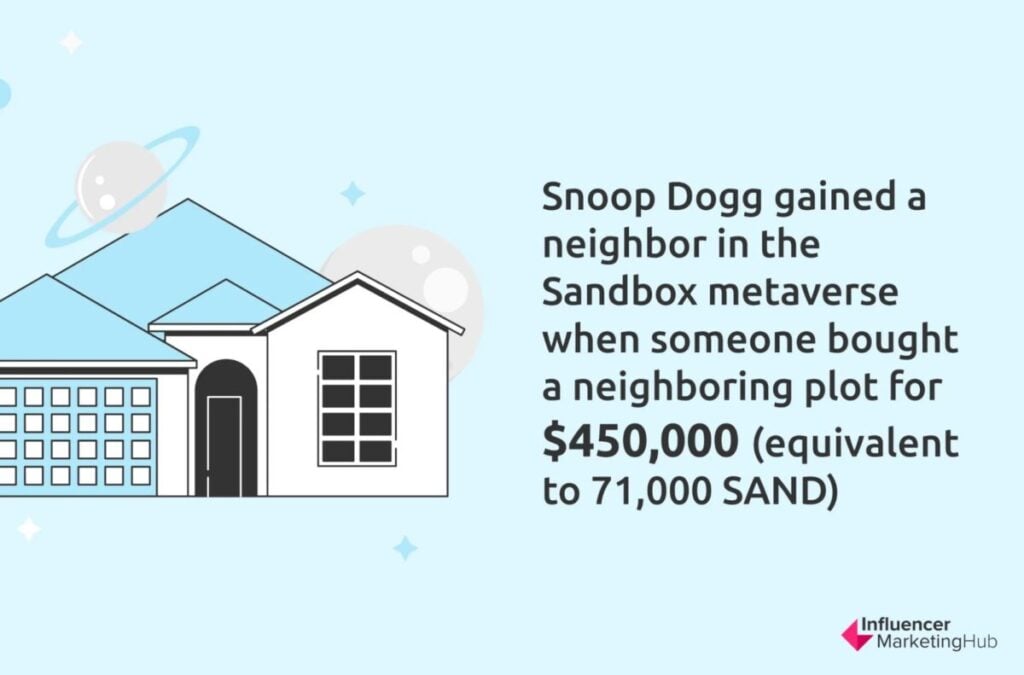
The market for metaverse real estate has seen dramatic fluctuations. During its peak in 2022, prices soared, with some properties selling for as much as $450,000, such as the plot adjacent to Snoop Dogg’s in The Sandbox. However, recent trends indicate a downturn, with prices plummeting by up to 95% in some areas, underscoring the market’s volatility.
Choosing the Right Platform
Investors looking to dive into the metaverse should consider platforms like Sandbox, Decentraland, and Voxels. These platforms offer unique experiences and opportunities for monetization, from user-generated content to social interactions and virtual reality experiences.
Factors Influencing Property Value
Platform: Prime locations on popular platforms command higher prices.
Location: Proximity to popular landmarks or well-trafficked areas increases value.
Attributes and Size: Unique features and larger plots generally cost more.
Market Trends: Prices fluctuate with supply and demand dynamics.
Risks and Challenges
Despite its potential, investing in metaverse real estate is not without risks. The market’s volatility, coupled with the lack of regulation and the speculative nature of cryptocurrencies, makes it a high-stakes venture. Investors are advised to conduct thorough research and approach with caution.
As the metaverse continues to evolve, it presents both challenges and opportunities for the real estate industry. While the risks are significant, the potential rewards could be substantial for those who navigate this new frontier wisely.
“`
More Articles
Getting licensed or staying ahead in your career can be a journey—but it doesn’t have to be overwhelming. Grab your favorite coffee or tea, take a moment to relax, and browse through our articles. Whether you’re just starting out or renewing your expertise, we’ve got tips, insights, and advice to keep you moving forward. Here’s to your success—one sip and one step at a time!
A Leon County judge has ordered Florida’s administrative courts to restart arbitration on more than 400 stalled Citizens Insurance cases, reigniting a legal showdown over whether the state’s insurer of last resort can force policyholders out of traditional courtrooms. The ruling directly conflicts with a separate Hillsborough County injunction that called Citizens’ arbitration system “likely unconstitutional,” setting up a rare judicial clash that could reshape how Floridians fight denied or underpaid property claims.
Inhabit has launched a powerful new suite of AI‑driven tools designed to modernize leasing, strengthen fraud prevention, and simplify compliance for property managers nationwide. From advanced leasing assistants and NYC‑specific regulatory AI to instant income verification and upcoming identity‑screening tech, these innovations aim to solve some of the industry’s toughest challenges. Real estate professionals—especially in multifamily—can expect faster operations, stronger safeguards, and a more efficient workflow as these technologies roll out.
A growing body of demographic research suggests that today’s housing shortage may give way to a future surplus as millions of Baby Boomer–owned homes return to the market over the next two decades. With affordability at historic lows and inventory still tight, this long‑term shift could eventually cool prices and transform the landscape for real estate professionals. The analysis draws parallels to aging populations abroad and highlights why understanding demographic cycles is becoming essential knowledge for agents, brokers, and mortgage professionals preparing for the next era of the housing market.
Griffin Funding has appointed John Jones as Senior Vice President of Growth and EOS Integrator, a move aimed at accelerating the lender’s push toward $3 billion in annual non‑QM loan volume by 2030. Jones, previously the company’s fractional integrator and COO, will lead expansion strategies, operational optimization, and leadership development as the lender strengthens its position in the increasingly competitive non‑QM market.
A new report shows Tampa outperforming the national real estate slowdown with a 6.5 percent annualized multifamily return, nearly 20 percent higher than the U.S. average. While many metros face oversupply or regulatory drag, Tampa’s balanced development pipeline, strong population growth, and investor confidence continue to fuel resilient performance heading into 2026.
A new Colliers outlook reveals that global capital is picking up momentum again, with investors shifting toward more active, hands‑on strategies. Data centers are surging, offices are rebounding, and value‑add plays like adaptive reuse are defining the next wave of opportunity. Regional markets—from the U.S. to APAC—are seeing renewed demand as fundraising spreads across continents and investors seek speed, control, and scale. This snapshot helps today’s real estate and finance professionals stay aligned with where global money is moving next.