In the ever-evolving world of real estate education, the transition to online platforms has become not only a necessity but a thriving trend. As aspiring real estate professionals seek the best avenues to acquire their licenses, Investopedia has taken on the task of meticulously evaluating online real estate schools. This initiative is not just a casual review but a comprehensive analysis based on rigorous criteria.
Investopedia’s mission is to guide prospective real estate agents in finding the best online schools to suit their needs. Their research spans nine popular online real estate schools, each scrutinized on 38 criteria across four main categories: fees, customer satisfaction, features, and availability. This thorough evaluation aims to provide transparency and clarity, ensuring that the choices made by those entering the field are well-informed.
The methodology employed by Investopedia is both detailed and structured, reflecting the growing importance of online education in real estate. Each school is scored using “Investopedia’s Rating” scale, ranging from 0.00 to 5.00, ensuring an objective assessment. The evaluation process includes data collection directly from company websites and customer support representatives, emphasizing the authenticity and reliability of the information.
Investopedia assures that their editorial partnerships do not influence the evaluation process, maintaining the integrity of their recommendations. The emphasis is on providing an unbiased view, allowing readers to trust the rankings presented.
The categories used in the evaluation are weighted as follows:
Fees: 27%
Customer Satisfaction: 27%
Features: 26%
Availability: 20%
Each category consists of multiple criteria, such as the availability of a free trial, pass rates, and the number of practice questions offered. For instance, customer satisfaction is gauged through pass rates reported by the Texas Real Estate Commission and other customer ratings, ensuring a comprehensive view of each school’s performance.
The growing trend of online real estate education underscores the need for such detailed evaluations. As the industry continues to evolve, platforms like Investopedia play a crucial role in guiding aspiring professionals through the myriad of options available.
For those interested in diving deeper into Investopedia’s methodology, the original article, How We Review and Rate Online Real Estate Schools, offers an in-depth look at the processes and criteria involved. This transparency not only builds trust but also empowers readers to make educated decisions about their educational pursuits in real estate.
More Articles
Getting licensed or staying ahead in your career can be a journey—but it doesn’t have to be overwhelming. Grab your favorite coffee or tea, take a moment to relax, and browse through our articles. Whether you’re just starting out or renewing your expertise, we’ve got tips, insights, and advice to keep you moving forward. Here’s to your success—one sip and one step at a time!
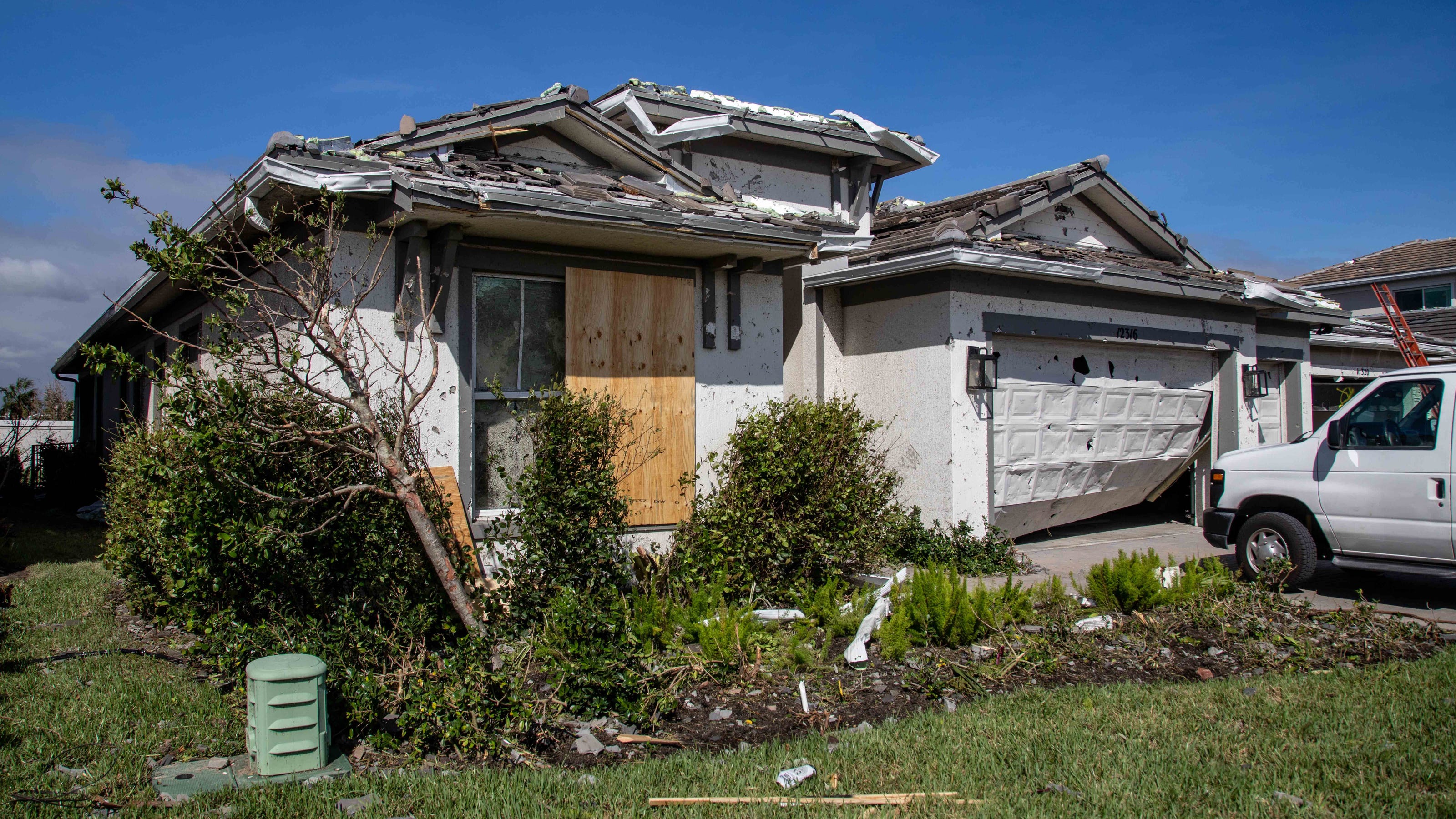
Nevada has enacted a first‑in‑the‑nation law permitting insurers to sell homeowners policies that exclude wildfire coverage, a move supporters say could help stabilize premiums but critics warn may leave homeowners financially devastated. The policy shift positions Nevada as a testing ground for potential nationwide changes, raising major implications for real estate, mortgage, and insurance professionals as lenders, high‑risk communities, and regulators navigate the evolving landscape.
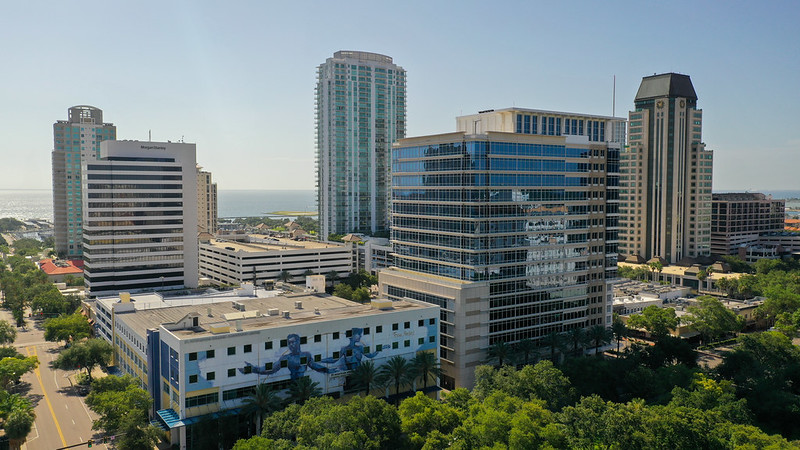
Tampa Bay’s office sector just delivered its most powerful year in nearly a decade, according to JLL’s Q4 2025 report. With more than 600,000 square feet of positive net absorption, falling vacancies, shrinking inventory, and major tenants like Fisher Investments and GEICO locking in massive leases, the region is emerging as one of the nation’s strongest post‑recovery office markets. The surge in demand for high‑quality space is driving rents up, tightening supply, and setting the stage for continued momentum into 2026.
The Consumer Financial Protection Bureau has proposed new updates to the Nationwide Mortgage Licensing System and Registry, expanding data collection, tightening verification standards, and refreshing record‑retention rules. These changes aim to strengthen background checks, enhance regulatory oversight, and align the system with federal requirements—impacting both current and aspiring mortgage loan originators nationwide.
Nevada has become the first state to let insurers sell homeowners policies that exclude wildfire coverage — a dramatic shift that could reshape insurance pricing across the West. Supporters say the move may lower premiums and spark innovation, while critics warn it could leave homeowners exposed to devastating losses. As regulators and insurers nationwide watch closely, the experiment could have major implications for real estate, mortgages, and insurance markets.
After years of soaring premiums and insurer failures, Florida lawmakers are rolling out a new slate of reforms aimed at finally delivering relief to homeowners. From cracking down on profit‑sharing affiliates to unveiling hidden rate factors and rewarding claim‑free residents, these proposals could reshape the state’s insurance landscape — and bring real savings to property owners and real estate professionals alike.
With traditional CRE lending slowing nationwide, C‑PACE financing is surging to all‑time highs — including a record‑setting $465 million loan for a major D.C. redevelopment. Backed by long repayment terms, fixed rates, and tax‑assessment security, C‑PACE is rapidly becoming a preferred tool for funding energy efficiency, resiliency upgrades, and even large‑scale project recapitalizations. Major players like Nuveen Green Capital and Peachtree Group are driving billions in new volume as 40 states adopt the program, signaling a major shift in how commercial real estate projects are financed.

:max_bytes(150000):strip_icc():format(webp)/realestateagentmakessaleoutsidemethodology-3a62408d151d4511b13be446bc484e86.jpg "Investopedia'S Comprehensive Evaluation Of Online Real Estate Schools 2")