In the ever-evolving world of real estate education, the transition to online platforms has become not only a necessity but a thriving trend. As aspiring real estate professionals seek the best avenues to acquire their licenses, Investopedia has taken on the task of meticulously evaluating online real estate schools. This initiative is not just a casual review but a comprehensive analysis based on rigorous criteria.
Investopedia’s mission is to guide prospective real estate agents in finding the best online schools to suit their needs. Their research spans nine popular online real estate schools, each scrutinized on 38 criteria across four main categories: fees, customer satisfaction, features, and availability. This thorough evaluation aims to provide transparency and clarity, ensuring that the choices made by those entering the field are well-informed.
The methodology employed by Investopedia is both detailed and structured, reflecting the growing importance of online education in real estate. Each school is scored using “Investopedia’s Rating” scale, ranging from 0.00 to 5.00, ensuring an objective assessment. The evaluation process includes data collection directly from company websites and customer support representatives, emphasizing the authenticity and reliability of the information.
Investopedia assures that their editorial partnerships do not influence the evaluation process, maintaining the integrity of their recommendations. The emphasis is on providing an unbiased view, allowing readers to trust the rankings presented.
The categories used in the evaluation are weighted as follows:
Fees: 27%
Customer Satisfaction: 27%
Features: 26%
Availability: 20%
Each category consists of multiple criteria, such as the availability of a free trial, pass rates, and the number of practice questions offered. For instance, customer satisfaction is gauged through pass rates reported by the Texas Real Estate Commission and other customer ratings, ensuring a comprehensive view of each school’s performance.
The growing trend of online real estate education underscores the need for such detailed evaluations. As the industry continues to evolve, platforms like Investopedia play a crucial role in guiding aspiring professionals through the myriad of options available.
For those interested in diving deeper into Investopedia’s methodology, the original article, How We Review and Rate Online Real Estate Schools, offers an in-depth look at the processes and criteria involved. This transparency not only builds trust but also empowers readers to make educated decisions about their educational pursuits in real estate.
More Articles
Getting licensed or staying ahead in your career can be a journey—but it doesn’t have to be overwhelming. Grab your favorite coffee or tea, take a moment to relax, and browse through our articles. Whether you’re just starting out or renewing your expertise, we’ve got tips, insights, and advice to keep you moving forward. Here’s to your success—one sip and one step at a time!
Investors worldwide are redeploying capital, embracing more active deal structures, and expanding into new regions as the 2026 market takes shape. Data centers, revived office demand, and global diversification are driving a major shift—creating fresh opportunities for real estate, mortgage, and finance professionals who understand where capital is heading next.
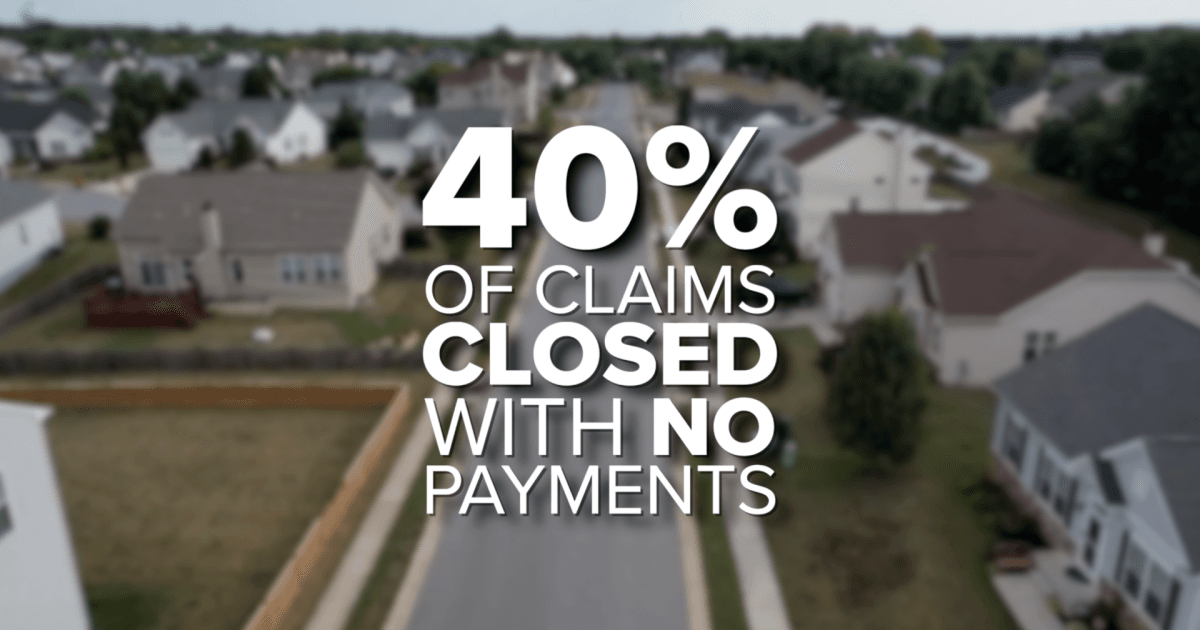
Florida homeowners now pay an average of $5,838 per year for insurance—about $3,000 more than the national average—pushing many families to the financial brink. Residents report premiums tripling, claims being severely underpaid, and insurers dropping policies at one of the highest rates in the country. As frustration mounts, lawmakers and industry experts are calling for sweeping reforms to curb rising costs, increase accountability, and stabilize a market that’s reshaping real estate decisions across the state.
Florida’s insurance market has hit a major turning point. Citizens Property Insurance—once the state’s largest insurer with 1.4 million policies—has shed more than 900,000 policies as private insurers return in force. Driven by Florida’s depopulation program and the arrival of 17 new companies, nearly 200,000 policies shifted to private carriers in October alone, with about 40 percent offering lower premiums. The shift signals rising competition, stabilizing rates, and new opportunities for homeowners and industry professionals navigating Florida’s evolving insurance landscape.
The National Association of REALTORS® has approved 18 major updates to modernize its MLS policies—the largest overhaul in two decades. Announced at NAR NXT in Houston and set to take effect in January 2026, the changes aim to streamline MLS operations, improve enforcement clarity, and better align policies with how today’s real estate professionals actually work.
Inhabit has rolled out a powerful lineup of AI-driven leasing, marketing, fraud prevention, and compliance tools designed to streamline operations and protect property teams from growing risks. From hybrid AI leasing assistants to instant income verification and upcoming portfolio-wide lease audits, these innovations aim to cut costs, eliminate inefficiencies, and strengthen regulatory confidence across the multifamily industry.
Florida’s latest round of insurance reforms was meant to calm a volatile market, yet many experts warn the same deep structural problems remain. Homeowners are being pushed from Citizens into higher‑priced, lightly capitalized private insurers, ratings agencies face scrutiny for inflated grades, and political influence clouds oversight. For real estate and insurance professionals, these trends signal ongoing risk, rising costs, and a market in need of a complete rebuild.

:max_bytes(150000):strip_icc():format(webp)/realestateagentmakessaleoutsidemethodology-3a62408d151d4511b13be446bc484e86.jpg "Investopedia'S Comprehensive Evaluation Of Online Real Estate Schools 2")