Investopedia is committed to guiding aspiring real estate professionals in finding the best online real estate school to secure their licenses. With a comprehensive evaluation of nine prominent online real estate schools, Investopedia’s dedicated research and editorial teams have meticulously assessed these institutions based on 38 criteria across four pivotal categories: fees, customer satisfaction, features, and availability.


Comprehensive Evaluation Methodology

In its pursuit of excellence, Investopedia has developed a quantitative model to objectively score and rank online real estate schools. This model scrutinizes aspects crucial to prospective real estate agents and professionals seeking further education. The evaluation encompasses a wide range of factors including pass rates, accreditation, and course availability across different states.


Key Evaluation Categories

The assessment categories for real estate schools were weighted as follows:

  • Fees: 27%
  • Customer Satisfaction: 27%
  • Features: 26%
  • Availability: 20%

These categories consist of 38 criteria for each of the nine companies, resulting in 342 data points that form the basis of our evaluation rubric.


Data Collection and Scoring

Investopedia’s research was conducted in February 2025, focusing on schools offering at least one of the following course types:

  • Salesperson pre-licensing
  • Exam preparation
  • Continuing education
  • Post-licensing
  • Broker preparation

Each company was scored using the “Investopedia’s Rating” scale of 0.00 to 5.00. All data points were scored on a 0.00 to 1.00 scale, with binary criteria scored on a scale of 0 or 1.


Unveiling the Best

The weights and resulting company scores were used to determine Investopedia’s picks for the best online real estate schools. The evaluation process ensures that prospective students can make informed decisions based on detailed, unbiased assessments.


For a deeper dive into the methodology and to explore the full list of evaluated schools, visit the original article on Investopedia.


More Articles

Getting licensed or staying ahead in your career can be a journey—but it doesn’t have to be overwhelming. Grab your favorite coffee or tea, take a moment to relax, and browse through our articles. Whether you’re just starting out or renewing your expertise, we’ve got tips, insights, and advice to keep you moving forward. Here’s to your success—one sip and one step at a time!

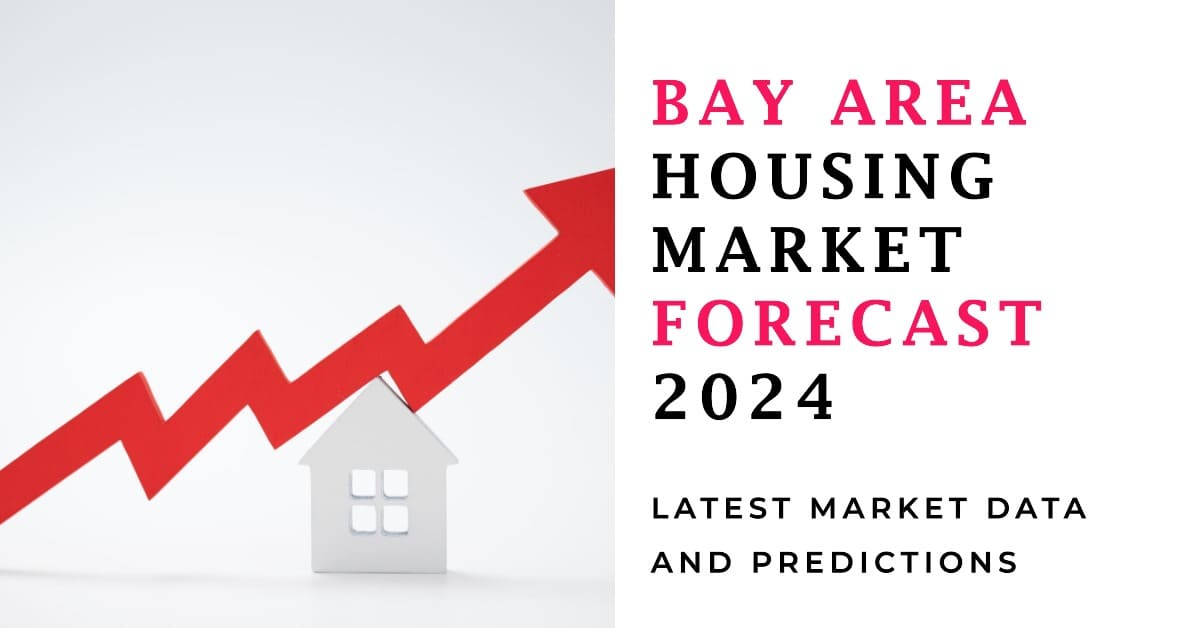
Housing Costs Surge: Navigating the 2024 Construction Material Price Hike

In an unexpected twist of economic fate, the construction industry finds itself grappling with a steep ascent in building material costs, a trend that began its climb at the dawn of 2024.

Texas High-Tech Sector Rebounds Post-Pandemic, Set for New Growth Trajectory

As the dust settles from the pandemic, Texas' high-tech sector is shaking off its post-pandemic slump and gearing up for a new growth trajectory.

Struggling Landlords Seek Relief Amid Rising Insurance Costs

In the ever-evolving landscape of commercial real estate, a new challenge has emerged, straining the resilience of landlords and developers alike. The soaring costs of insurance, exacerbated by climate-induced natural disasters, are creating a formidable obstacle for property owners. Particularly affected are coastal cities and towns, where the risk of storms and floods is high.

By |October 24, 2024|Categories: Article, Insurance, Real Estate|Tags: , |0 Comments

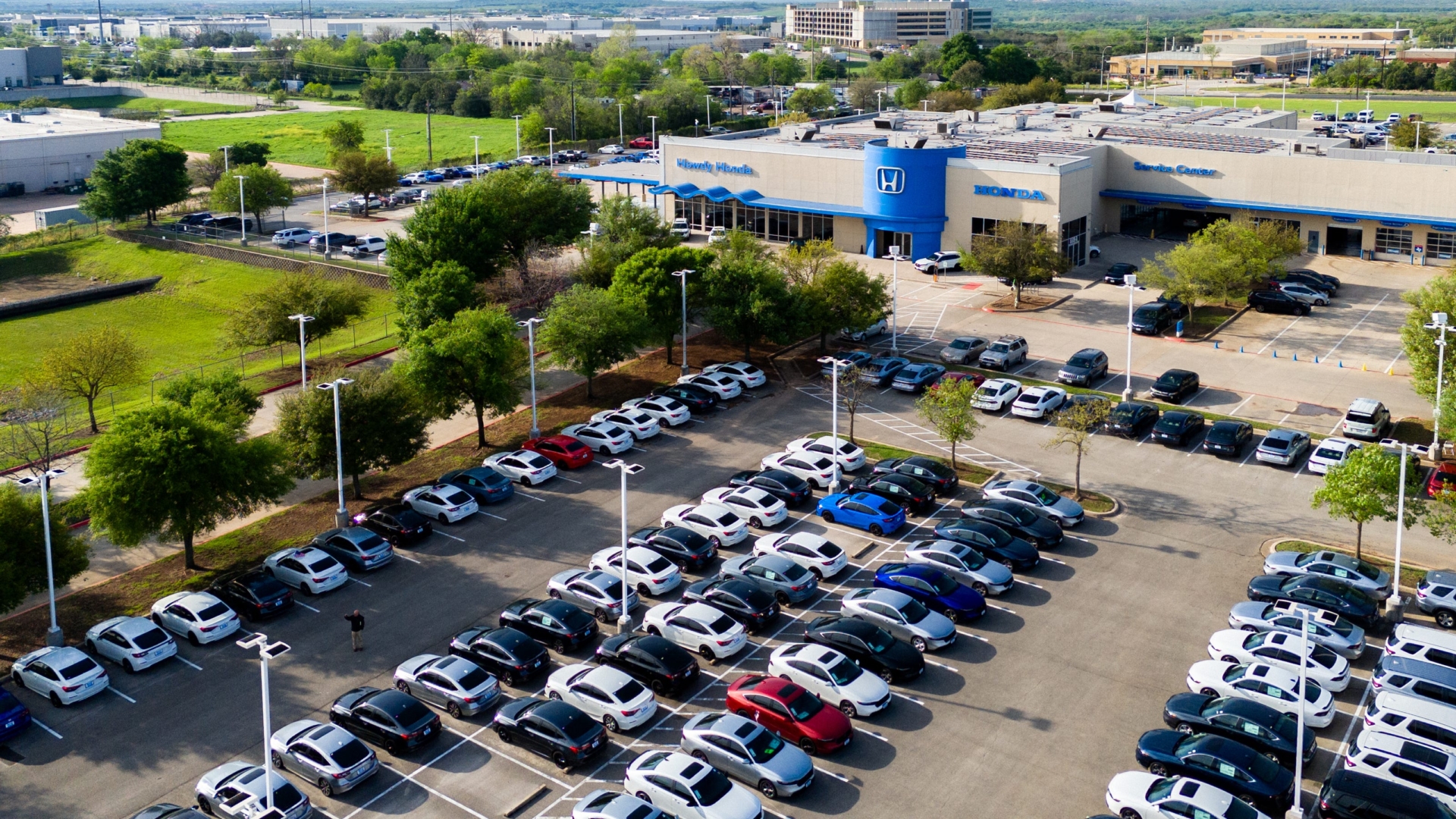
CDK Global’s Cyberattack Disrupts U.S. Car Dealerships

In a significant cyberattack that has disrupted operations across the United States, CDK Global, a leading provider of cloud-based software to automotive dealerships, was forced to shut down most of its systems. This incident has highlighted the vulnerabilities and rising trend of cyberattacks targeting the auto industry.

By |October 23, 2024|Categories: Article, Automotive Industry, Cybersecurity|Tags: , |0 Comments

Commercial Real Estate: A Sector Under Siege

The commercial real estate landscape has experienced seismic shifts, particularly with properties purchased prior to the Covid-19 pandemic. Many of these assets now hold diminished value compared to the loans used to acquire them.