Why Investors Are Backing Away From Florida Housing (Except for Wall Street South)
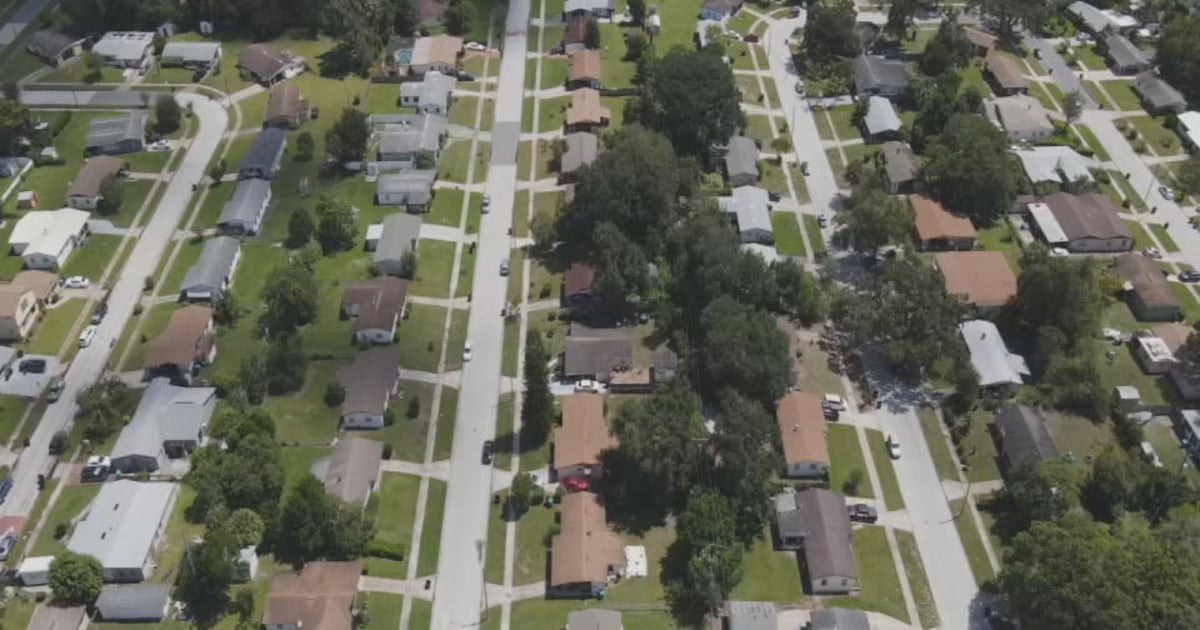
Florida’s housing market, once the crown jewel of pandemic-era real estate investing, is now losing momentum as investors pull back. A new Redfin study shows that while investor activity across the United States remains sluggish, Florida stands out with sharp, double-digit declines in several major metros. But one city is breaking the trend: West Palm Beach, also known as Wall Street South.
Why This Shift Matters
The national housing market has been stuck in a holding pattern for months. More than 600,000 more sellers than buyers are active across the country, yet prices have not meaningfully fallen. Instead, growth has simply cooled. Mortgage rates remain high, leaving many would-be buyers priced out or waiting for a more favorable moment.
Investors face similar uncertainty. Nearly one in ten investor-owned homes sold in December closed at a loss, up from 7.1 percent a year earlier. For investors accustomed to easy profits during the pandemic boom, those margins are no longer guaranteed.
Florida’s Investor Drop-Off: What the Numbers Show
Across the 38 largest U.S. metros analyzed, Florida cities dominate the decline leaderboard. Orlando posted the steepest cut with a 16 percent year-over-year drop in investor purchases. Fort Lauderdale followed closely at 15 percent, with Jacksonville down 7 percent. These numbers reflect a broader cooling that began once remote work normalized, mortgage rates surged, and construction boomed.
Florida experienced some of the fastest appreciation during the pandemic as low borrowing costs and lifestyle migration drove intense demand. But that surge has since reversed. With inventory rising due to heavy construction and demand falling, prices in many areas experienced year-over-year declines throughout 2024 and 2025.
Add rising home insurance premiums and climbing HOA fees, and the math becomes even tougher for investors looking to flip or rent properties. Many investors simply cannot make the numbers work.
The Lone Bright Spot: West Palm Beach
While much of Florida cools, West Palm Beach is heating up. Investor purchases climbed 17 percent in Q4, powered by soaring luxury demand. Redfin data shows pending luxury sales nationwide dipped 3.6 percent in January, but West Palm Beach surged by an incredible 30 percent.
This mirrors the city’s transformation into Wall Street South, a hub for financial firms seeking sun, space, and lifestyle appeal.
Where Investors Are Looking Instead
Investors shifting away from Florida are diverting capital into West Coast and high-priced northern markets. The leaders include Seattle, up 37 percent year-over-year in investor purchases, followed by Portland at 27 percent and Milwaukee and San Francisco at 24 percent each. Providence also saw a strong 20 percent rise.
Expert Insight
Chen Zhao, Redfin’s head of economics research, summarizes the shift succinctly: Some investors are keeping their pocketbooks closed, which eliminates competition for everyday first-time buyers. She notes that the frenzy that sidelined so many first-time buyers has largely fizzled, though affordability challenges remain.
Policy Moves and What Comes Next
President Donald Trump has proposed limiting institutional investors from expanding single-family home portfolios. Experts remain skeptical about whether such a policy would meaningfully increase housing supply or improve affordability for everyday Americans. For now, investor market share remains stable at about 18 percent of all home purchases in late 2025.
What This Means for Future Real Estate Professionals
Shifts like these often signal opportunity. When investors pull back, everyday buyers experience less competition. This creates space for new agents to enter the field and build relationships with first-time buyers who finally feel like they have a chance.
For those preparing for a real estate career, understanding investor activity is essential. At Cameron Academy, our Florida real estate licensing programs help students decode these trends so they can guide customers with confidence through any market cycle.
Source Spotlight
This analysis is based on original reporting from Newsweek. For the full article and additional insights, visit:
Getting licensed or staying ahead in your career can be a journey—but it doesn’t have to be overwhelming. Grab your favorite coffee or tea, take a moment to relax, and browse through our articles. Whether you’re just starting out or renewing your expertise, we’ve got tips, insights, and advice to keep you moving forward. Here’s to your success—one sip and one step at a time!
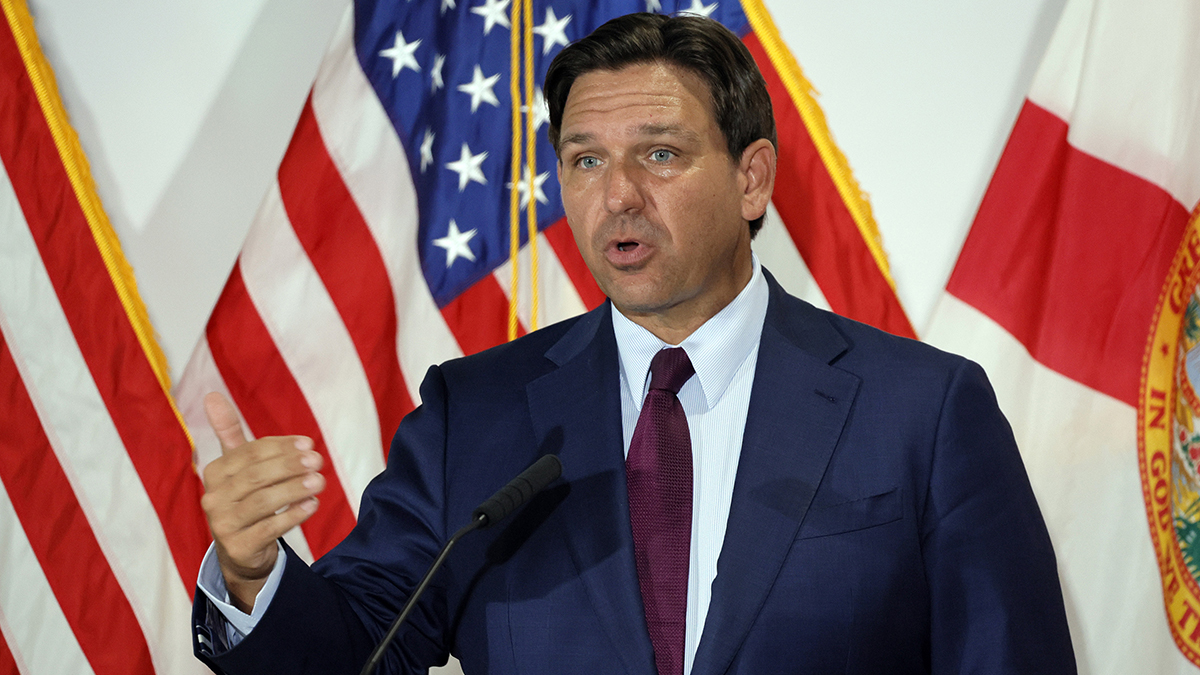
Florida homeowners — especially in hard‑hit South Florida — are set to see rare and substantial reductions in their property insurance premiums. Gov. Ron DeSantis announced an average statewide Citizens Insurance decrease of 8.7%, with even larger savings of up to 14% in counties like Miami-Dade, Broward, and Palm Beach. State officials credit recent legal and regulatory reforms for stabilizing the market, attracting new insurers, and delivering the first meaningful rate relief Floridians have seen in years.
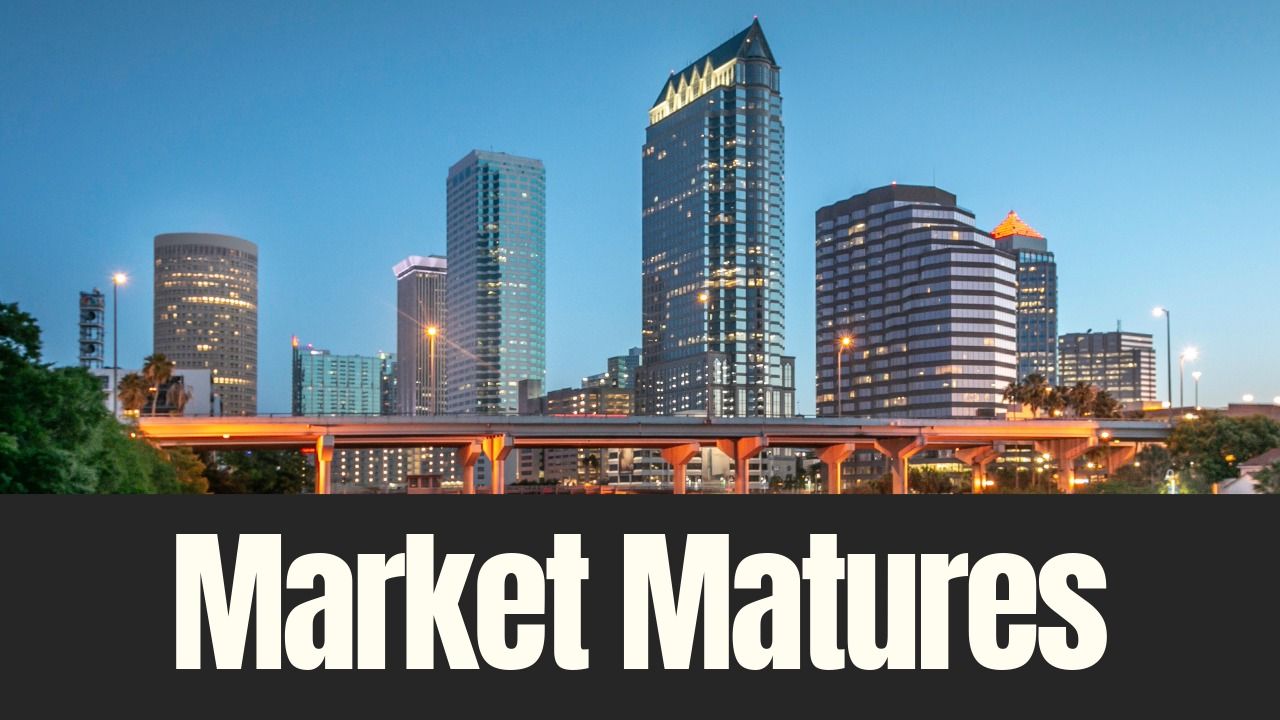
Tampa’s commercial real estate market isn’t slowing—it’s maturing. With strong population growth, rising office demand, a normalized industrial sector, resurgent retail, and an emerging health‑care real estate boom, investors are shifting from speed to strategy. Tighter underwriting, cautious capital and increased due‑diligence are shaping a more disciplined market, creating new opportunities for informed professionals.
Florida homeowners are finally seeing relief as Citizens Property Insurance announces a major 8.7% average rate decrease—far larger than originally proposed. Driven by legislative reforms, fewer lawsuits, and a calm hurricane season, the state’s once‑unstable insurance market is showing real signs of recovery. But with reduced coverage limits and shifting legal protections, experts warn that lower premiums may come with hidden trade‑offs.
After a decade of rising premiums and retreating carriers, Florida homeowners are finally seeing long‑awaited relief. Dozens of insurers have filed for rate decreases—some as high as 11%—thanks to legislative reforms and a stabilizing market. Early approvals are already hitting counties across the state, and experts say the momentum could boost buyer confidence, affordability, and competition throughout Florida’s real estate and insurance sectors.
After years of slowed activity caused by rising interest rates, the self‑storage industry is heating up again. New data from Marcus & Millichap shows a fresh market cycle emerging, driven by renewed buyer confidence, recalibrated pricing, and stronger lender participation. Acquisitions are rebounding, development is resetting in a healthier direction, and financing conditions are improving—creating one of the most promising investment landscapes the sector has seen in years.
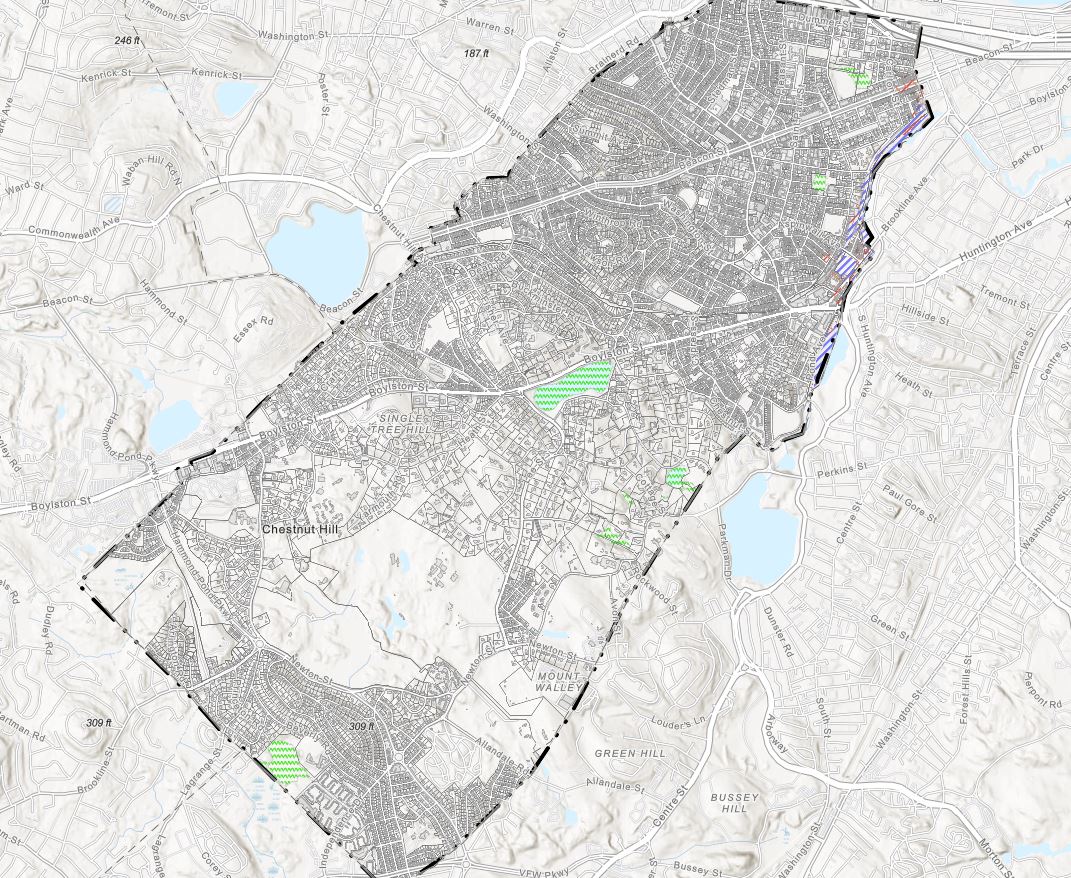
Brookline’s newly updated FEMA flood maps identify 97 high‑risk parcels, but local experts warn the true threat is far greater. While FEMA highlights river‑based flooding around Leverett Pond and the Muddy River, alternative models show more than 1,300 Brookline properties at risk within 30 years. Hidden vulnerabilities along major corridors like Beacon Street, rising rainfall intensity, aging infrastructure, and climate‑driven storm patterns suggest that many “low‑risk” areas may be anything but safe.