Why Investors Are Backing Away From Florida Housing (Except for Wall Street South)
Florida’s housing market, once the crown jewel of pandemic-era real estate investing, is now losing momentum as investors pull back. A new Redfin study shows that while investor activity across the United States remains sluggish, Florida stands out with sharp, double-digit declines in several major metros. But one city is breaking the trend: West Palm Beach, also known as Wall Street South.
Why This Shift Matters
The national housing market has been stuck in a holding pattern for months. More than 600,000 more sellers than buyers are active across the country, yet prices have not meaningfully fallen. Instead, growth has simply cooled. Mortgage rates remain high, leaving many would-be buyers priced out or waiting for a more favorable moment.
Investors face similar uncertainty. Nearly one in ten investor-owned homes sold in December closed at a loss, up from 7.1 percent a year earlier. For investors accustomed to easy profits during the pandemic boom, those margins are no longer guaranteed.
Florida’s Investor Drop-Off: What the Numbers Show
Across the 38 largest U.S. metros analyzed, Florida cities dominate the decline leaderboard. Orlando posted the steepest cut with a 16 percent year-over-year drop in investor purchases. Fort Lauderdale followed closely at 15 percent, with Jacksonville down 7 percent. These numbers reflect a broader cooling that began once remote work normalized, mortgage rates surged, and construction boomed.
Florida experienced some of the fastest appreciation during the pandemic as low borrowing costs and lifestyle migration drove intense demand. But that surge has since reversed. With inventory rising due to heavy construction and demand falling, prices in many areas experienced year-over-year declines throughout 2024 and 2025.
Add rising home insurance premiums and climbing HOA fees, and the math becomes even tougher for investors looking to flip or rent properties. Many investors simply cannot make the numbers work.
The Lone Bright Spot: West Palm Beach
While much of Florida cools, West Palm Beach is heating up. Investor purchases climbed 17 percent in Q4, powered by soaring luxury demand. Redfin data shows pending luxury sales nationwide dipped 3.6 percent in January, but West Palm Beach surged by an incredible 30 percent.
This mirrors the city’s transformation into Wall Street South, a hub for financial firms seeking sun, space, and lifestyle appeal.
Where Investors Are Looking Instead
Investors shifting away from Florida are diverting capital into West Coast and high-priced northern markets. The leaders include Seattle, up 37 percent year-over-year in investor purchases, followed by Portland at 27 percent and Milwaukee and San Francisco at 24 percent each. Providence also saw a strong 20 percent rise.
Expert Insight
Chen Zhao, Redfin’s head of economics research, summarizes the shift succinctly: Some investors are keeping their pocketbooks closed, which eliminates competition for everyday first-time buyers. She notes that the frenzy that sidelined so many first-time buyers has largely fizzled, though affordability challenges remain.
Policy Moves and What Comes Next
President Donald Trump has proposed limiting institutional investors from expanding single-family home portfolios. Experts remain skeptical about whether such a policy would meaningfully increase housing supply or improve affordability for everyday Americans. For now, investor market share remains stable at about 18 percent of all home purchases in late 2025.
What This Means for Future Real Estate Professionals
Shifts like these often signal opportunity. When investors pull back, everyday buyers experience less competition. This creates space for new agents to enter the field and build relationships with first-time buyers who finally feel like they have a chance.
For those preparing for a real estate career, understanding investor activity is essential. At Cameron Academy, our Florida real estate licensing programs help students decode these trends so they can guide customers with confidence through any market cycle.
Source Spotlight
This analysis is based on original reporting from Newsweek. For the full article and additional insights, visit:
Getting licensed or staying ahead in your career can be a journey—but it doesn’t have to be overwhelming. Grab your favorite coffee or tea, take a moment to relax, and browse through our articles. Whether you’re just starting out or renewing your expertise, we’ve got tips, insights, and advice to keep you moving forward. Here’s to your success—one sip and one step at a time!
Fintech has evolved from simple digital banking tools into a global force transforming how we pay, borrow, invest, and manage financial data. With AI, blockchain, and open banking leading the way, fintech is opening new opportunities for consumers, businesses, and professionals across real estate, mortgage, insurance, and finance.
After months of hesitation, the commercial real estate market showed a major resurgence in Q3 2025. Large single‑asset transactions over $10 million jumped to $76 billion — the strongest level since 2022 — signaling renewed liquidity and growing confidence among institutional buyers. While overall volumes remain below peak highs, rising deal counts, stabilizing prices, and increased activity across industrial, multifamily, office, and retail sectors point toward a market steadily moving back toward normalization.
California’s property insurance market didn’t collapse overnight—it unraveled over years of political delays, soaring wildfire losses, and mounting pressure on insurers and reinsurers. As major carriers pulled out and rate approvals stalled, millions of homeowners were left scrambling for coverage under an overwhelmed FAIR Plan. At the center of the controversy stands Insurance Commissioner Ricardo Lara, whose decisions, industry ties, and behind‑the‑scenes negotiations have drawn sharp criticism. The result is a destabilized market affecting homeowners, real estate professionals, lenders, and entire communities—and the question of whether current reforms can truly fix what’s broken.
After a slow start to the year, commercial real estate showed a major resurgence in Q3 2025 as large single‑asset deals over $10 million surged past $76 billion in volume. With 1,826 major trades and the strongest growth rate in more than a decade, investor confidence appears to be returning across U.S. markets. While overall volumes still trail the record highs of 2021–2022, the renewed momentum in big‑ticket transactions points to improving liquidity, clearer pricing, and a potentially pivotal turning point for brokers, investors, and industry professionals.
California’s property insurance market has unraveled into one of the most expensive and consequential crises in U.S. history. Major carriers pulled back, wildfire risks soared, regulators stalled, and the state’s FAIR Plan exploded in size — leaving hundreds of thousands of homeowners without affordable coverage. Now, with victims underinsured, premiums surging, and a billion‑dollar bailout looming, the fallout is spilling beyond California. For real estate, mortgage, finance, and insurance professionals across the country, this is a warning of what happens when rising climate risks collide with outdated regulatory systems.
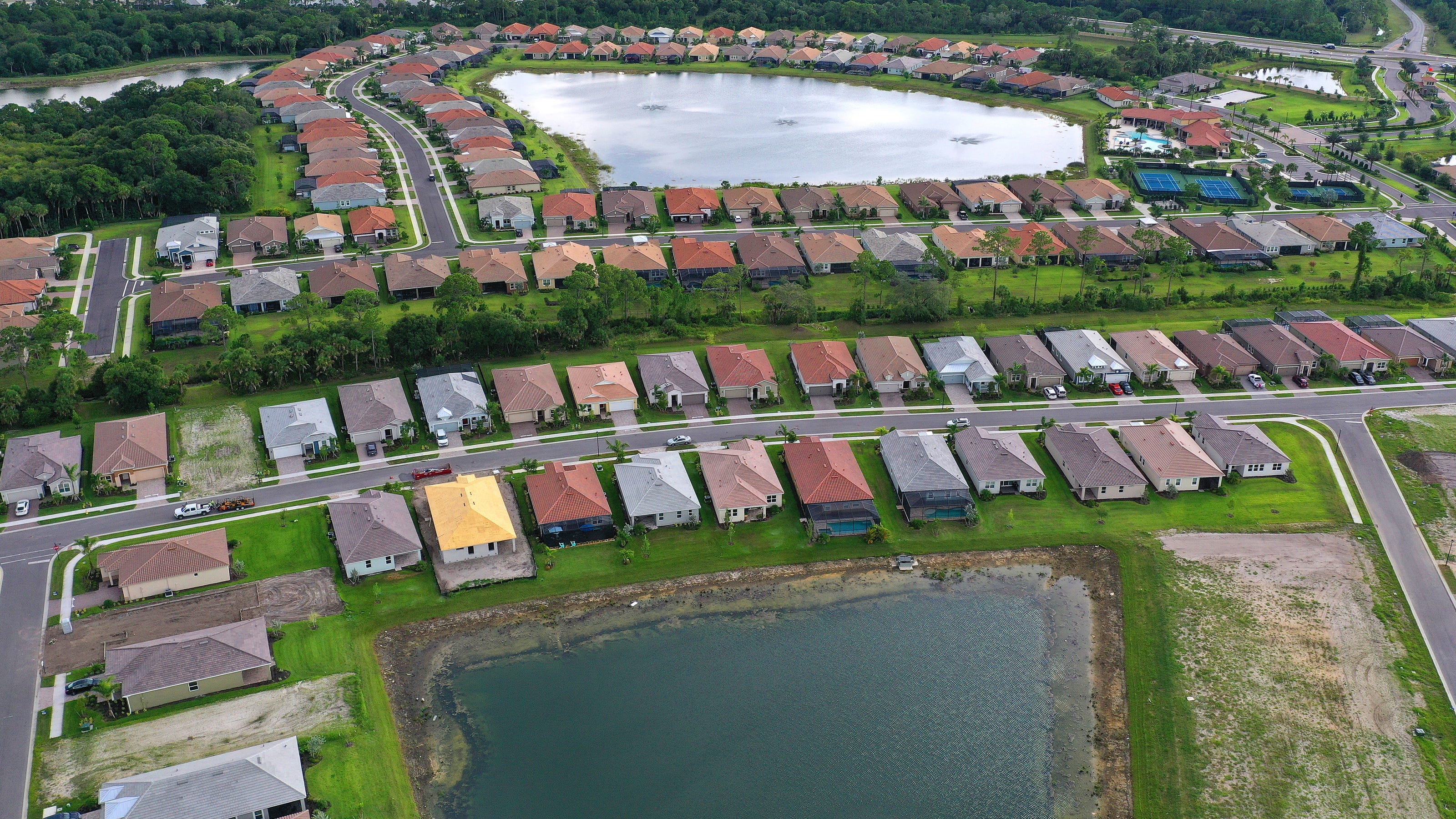
Sarasota County is on the brink of one of its largest modern expansions as the Winchester Ranch project moves closer to approval. Spanning more than 3,100 acres near North Port, the planned mega-development could bring up to 8,999 homes plus major commercial and industrial space. With construction projected to begin in 2027–2028, the community has sparked both excitement over new housing opportunities and concerns about environmental impact, placing it at the center of Florida’s ongoing growth debate.