CBRE Survey Shows Investors Increasing Capital Allocation Into Commercial Real Estate for 2026
Commercial real estate investors are gearing up for a transformative year, according to the newly released
2026 North America Investor Intentions Survey from
CBRE.
With stabilizing pricing expectations, improving fundamentals, and renewed optimism around cooling debt costs,
substantial capital injections are expected to reshape the U.S. commercial real estate landscape in 2026.
A remarkable 95 percent of investors plan to either increase their purchasing activity or at minimum match last year’s volume.
More notably, 55 percent intend to increase overall capital allocation—a strong jump and a clear indicator of rising confidence.
“Investors are approaching 2026 with optimism…”
“Despite political and economic uncertainties, stabilizing debt costs and attractive pricing entry points are driving a strong
sense of opportunity,” said Tommy Lee, President and Co‑Head of Capital Markets, U.S. & Canada, for CBRE.
Top Markets Investors Are Targeting in 2026
Dallas continues to dominate as the most attractive U.S. market for the fifth consecutive year.
Cities like Atlanta and San Francisco follow closely behind.
New high‑growth entries—including Charlotte, Nashville, Tampa, and Seattle—highlight growing demand in both emerging regions
and discounted major metros.
What Property Types Are Investors Prioritizing?
Multifamily leads the pack, targeted by 74 percent of U.S. investors.
Industrial and logistics assets follow with 37 percent, then retail at 27 percent, and office at 16 percent.
Across all categories, top‑tier assets remain the core focus.
Alternative asset categories—including self‑storage, land, industrial outdoor storage, cold storage, and healthcare—are gaining interest,
though only 11 percent of investors plan to pursue them actively this year.
Investor Strategy: Moderate Risk, Higher Returns
Value‑add and core‑plus strategies continue to grow in popularity as investors lean toward balanced risk‑to‑reward profiles.
While core strategies are improving modestly, opportunistic and distressed strategies have softened.
Debt & Financing: Investors Brace for Market Shifts
Over 70 percent of investors expect to maintain their current debt‑to‑equity ratios. Nearly half are willing to endure a
year of negative leverage—demonstrating confidence in long‑term asset performance.
Key concerns include fluctuating interest rates and shrinking refinance loan sizes due to adjusted valuations.
Even so, direct real estate equity remains the favored investment vehicle, with continued interest in mezzanine financing,
mortgage lending, and secured loan strategies.
Thinking About Breaking Into Real Estate?
With investor enthusiasm rising, opportunities across commercial and residential real estate are expanding rapidly.
If you’re preparing to enter the field or elevate your credentials, Cameron Academy offers flexible, industry‑leading licensing education
across Florida and beyond. Explore online courses in real estate, mortgage, insurance, finance, and more at
CameronAcademy.com.
More Articles
Getting licensed or staying ahead in your career can be a journey—but it doesn’t have to be overwhelming. Grab your favorite coffee or tea, take a moment to relax, and browse through our articles. Whether you’re just starting out or renewing your expertise, we’ve got tips, insights, and advice to keep you moving forward. Here’s to your success—one sip and one step at a time!
The global digital health market is set to skyrocket, with projections estimating it will reach $551.09 billion by 2027. This growth is fueled by innovations that are setting new benchmarks in healthcare delivery.
AI is being hailed as a "triple threat" in radiology, impacting planning, scanning, and diagnosis. As detailed in a recent column by Kelly Londy of GE HealthCare, these intelligent imaging systems are ushering in seismic changes reminiscent of the transformative impact of computer-assisted tomography in the late 20th century.
In a significant move that has captured the attention of economists and homebuyers alike, the Federal Reserve recently announced a half-percentage-point cut in interest rates. This decision is poised to bring about notable changes in the housing market, though not all effects may be beneficial for prospective homeowners.
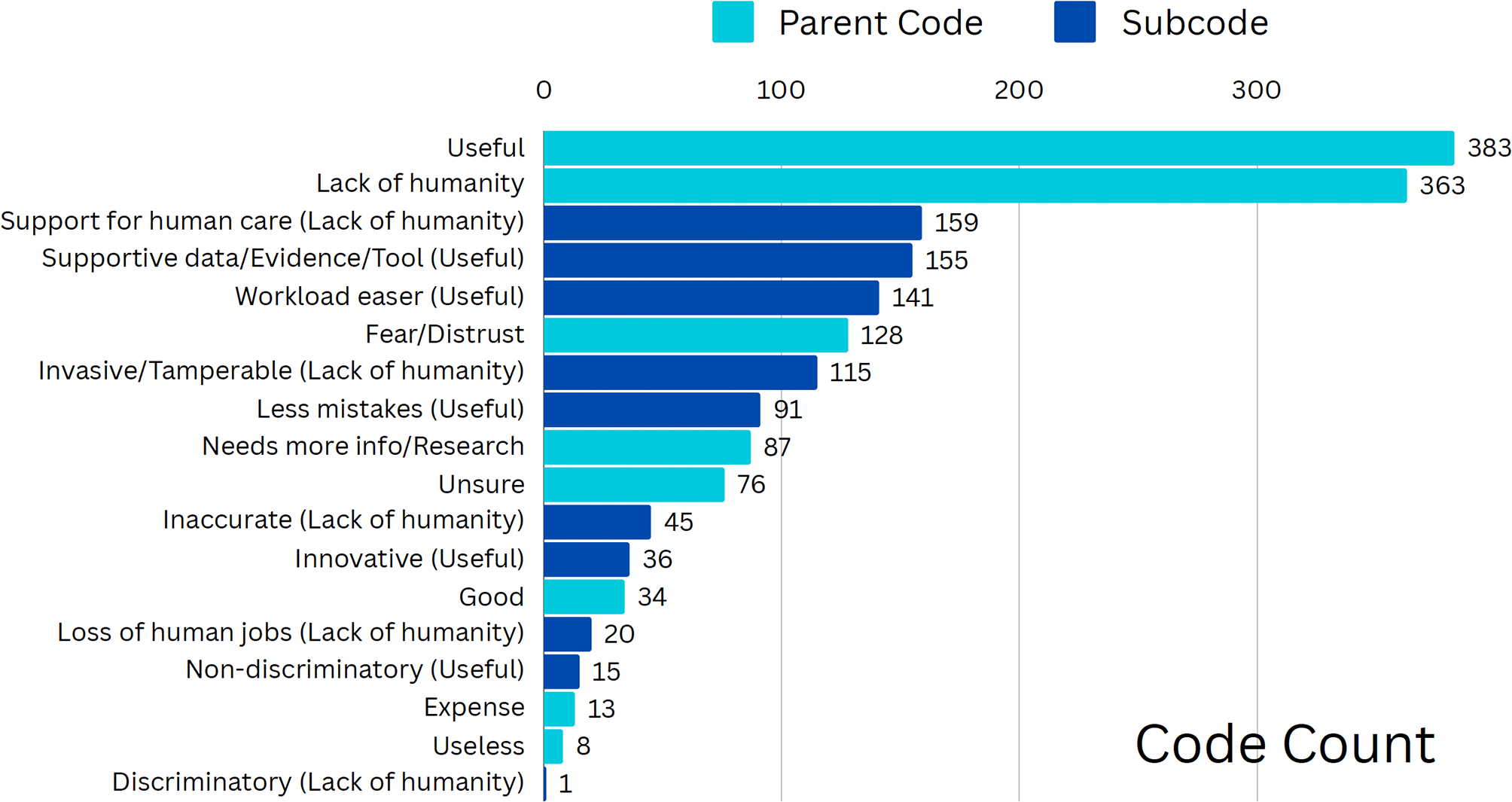
In the rapidly evolving landscape of healthcare, the integration of artificial intelligence (AI) stands as a beacon of both promise and concern. The research underscores a significant tension: while AI has the capability to enhance healthcare delivery, there is palpable unease about its impact on the traditional physician-patient relationship.
As artificial intelligence (AI) technology advances, it presents a myriad of ethical dilemmas and challenges that demand urgent attention. The USC Annenberg School for Communication and Journalism recently explored these pressing issues, highlighting the complexities involved in AI's deployment.