CBRE Survey Shows Investors Increasing Capital Allocation Into Commercial Real Estate for 2026
Commercial real estate investors are gearing up for a transformative year, according to the newly released
2026 North America Investor Intentions Survey from
CBRE.
With stabilizing pricing expectations, improving fundamentals, and renewed optimism around cooling debt costs,
substantial capital injections are expected to reshape the U.S. commercial real estate landscape in 2026.
A remarkable 95 percent of investors plan to either increase their purchasing activity or at minimum match last year’s volume.
More notably, 55 percent intend to increase overall capital allocation—a strong jump and a clear indicator of rising confidence.
“Investors are approaching 2026 with optimism…”
“Despite political and economic uncertainties, stabilizing debt costs and attractive pricing entry points are driving a strong
sense of opportunity,” said Tommy Lee, President and Co‑Head of Capital Markets, U.S. & Canada, for CBRE.
Top Markets Investors Are Targeting in 2026
Dallas continues to dominate as the most attractive U.S. market for the fifth consecutive year.
Cities like Atlanta and San Francisco follow closely behind.
New high‑growth entries—including Charlotte, Nashville, Tampa, and Seattle—highlight growing demand in both emerging regions
and discounted major metros.
What Property Types Are Investors Prioritizing?
Multifamily leads the pack, targeted by 74 percent of U.S. investors.
Industrial and logistics assets follow with 37 percent, then retail at 27 percent, and office at 16 percent.
Across all categories, top‑tier assets remain the core focus.
Alternative asset categories—including self‑storage, land, industrial outdoor storage, cold storage, and healthcare—are gaining interest,
though only 11 percent of investors plan to pursue them actively this year.
Investor Strategy: Moderate Risk, Higher Returns
Value‑add and core‑plus strategies continue to grow in popularity as investors lean toward balanced risk‑to‑reward profiles.
While core strategies are improving modestly, opportunistic and distressed strategies have softened.
Debt & Financing: Investors Brace for Market Shifts
Over 70 percent of investors expect to maintain their current debt‑to‑equity ratios. Nearly half are willing to endure a
year of negative leverage—demonstrating confidence in long‑term asset performance.
Key concerns include fluctuating interest rates and shrinking refinance loan sizes due to adjusted valuations.
Even so, direct real estate equity remains the favored investment vehicle, with continued interest in mezzanine financing,
mortgage lending, and secured loan strategies.
Thinking About Breaking Into Real Estate?
With investor enthusiasm rising, opportunities across commercial and residential real estate are expanding rapidly.
If you’re preparing to enter the field or elevate your credentials, Cameron Academy offers flexible, industry‑leading licensing education
across Florida and beyond. Explore online courses in real estate, mortgage, insurance, finance, and more at
CameronAcademy.com.
More Articles
Getting licensed or staying ahead in your career can be a journey—but it doesn’t have to be overwhelming. Grab your favorite coffee or tea, take a moment to relax, and browse through our articles. Whether you’re just starting out or renewing your expertise, we’ve got tips, insights, and advice to keep you moving forward. Here’s to your success—one sip and one step at a time!
Just 48 hours after NAR unveiled major revisions to its MLS policies, plaintiffs in the Michigan-based Hardy lawsuit moved to use those changes as evidence, arguing they prove NAR’s prior rules were anticompetitive. NAR denies any wrongdoing, but the case is quickly becoming a key test for whether MLS access should require Realtor membership — a question now echoing across multiple states and potentially reshaping how real estate professionals nationwide access the industry’s most essential tool.
Florida homeowners are now paying some of the highest insurance premiums in the country, with average costs topping $5,800 per year—nearly double the national average. Residents report skyrocketing rates, denied claims, and tough choices between costly coverage and financial risk. As frustration grows, lawmakers and consumer advocates are pushing new reforms aimed at increasing transparency, capping rate hikes, and protecting policyholders in one of the nation’s most volatile insurance markets.
Economic uncertainty, rapid AI adoption, tighter capital flows, and rising portfolio risk are reshaping the 2026 commercial real estate landscape. From shifting workforce patterns to a national housing attainability crisis, the industry is entering a data‑driven, fundamentals‑focused era—making adaptability, education, and tech literacy essential for real estate professionals.
Mortgage rates have climbed to 6.23 percent as investors grow doubtful that the Federal Reserve will deliver a rate cut in December. A soft but unclear jobs report and persistent inflation have pushed borrowing costs higher, reversing October’s brief relief in the housing market. Real estate and mortgage professionals should prepare clients for continued volatility as the Fed’s December meeting approaches.
After years of tight inventory, high mortgage rates, and sluggish sales, economists say 2026 is shaping up to be the turnaround real estate professionals have been waiting for. NAR projects a 14 percent jump in home sales, mortgage rates easing toward 6 percent, and buyer demand finally gaining momentum. While higher‑end homes are moving quickly, first‑time buyers continue to face affordability challenges, and price reductions are reappearing as sellers adjust to shifting conditions. For Florida agents, brokers, and newcomers, the stage is being set for a busy and opportunity‑rich year.
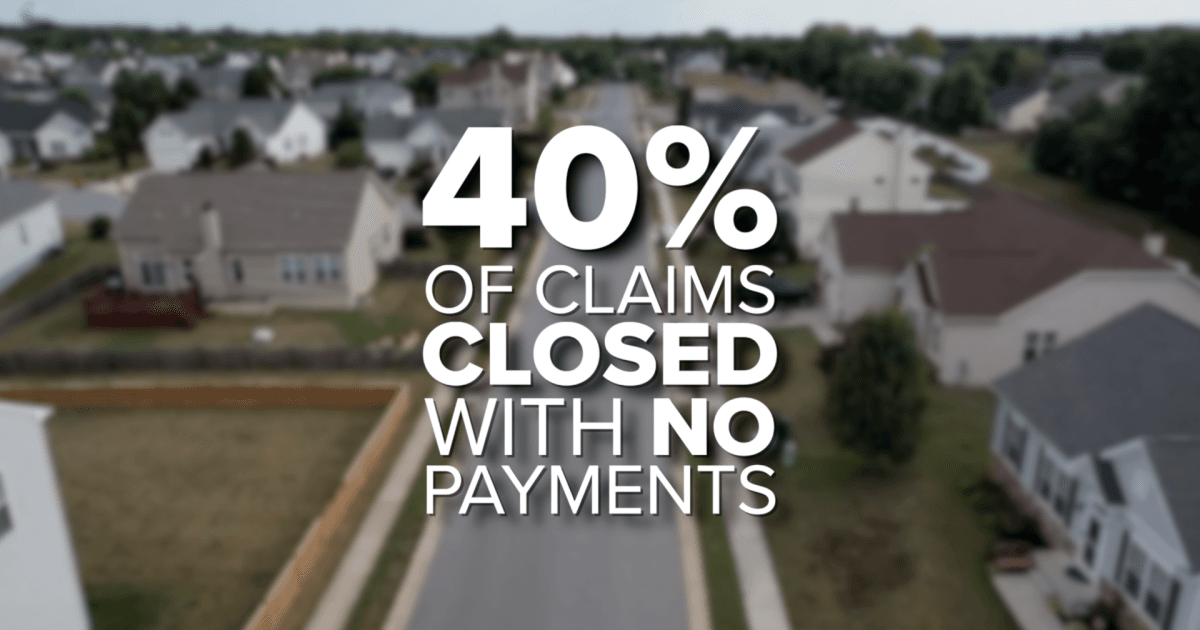
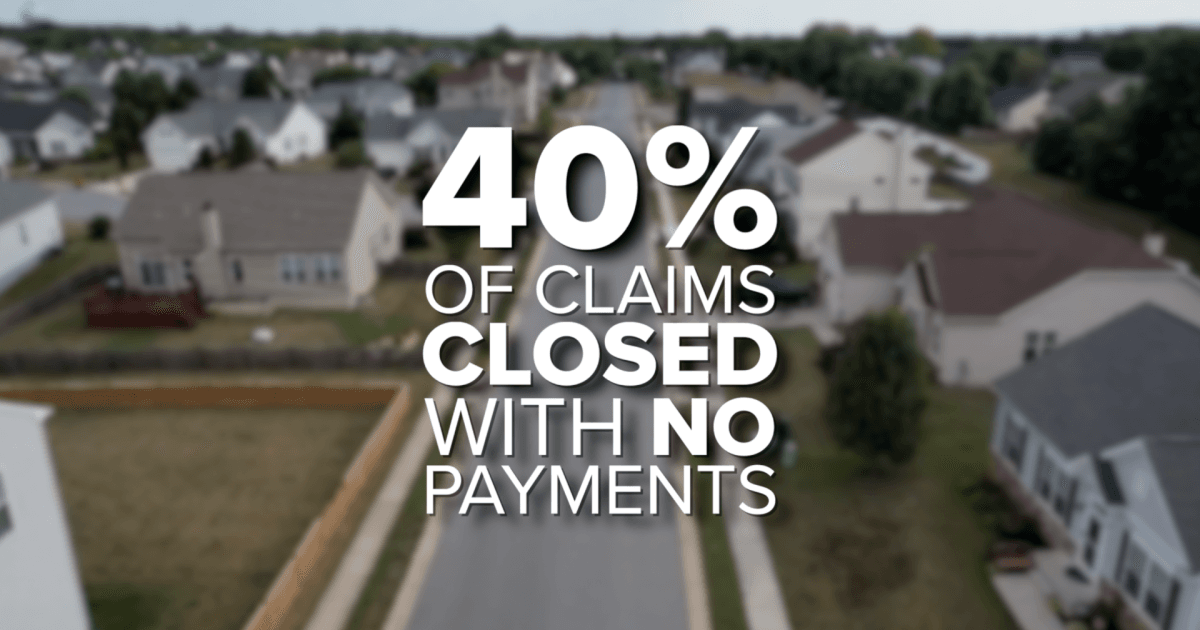
Florida’s average homeowner insurance premium has soared to $5,838 a year—almost $3,000 above the national average—pushing many residents to the financial brink. From tripled premiums to lowball claim payouts, homeowners are speaking out as frustration mounts. Some are even dropping coverage entirely. With more than 40% of claims closed without payment and policy cancellations at record levels, lawmakers are pushing for reforms, but political hurdles remain. The outcome could reshape Florida real estate, insurance, and mortgage markets for years to come.