
Investors Gear Up for a Commercial Real Estate Comeback in 2026

Modern city skyscrapers

After two years of turbulence, the U.S. commercial real estate market is finally showing signs of stabilization—and investors are gearing up for a major comeback. According to CBRE’s 2026 North America Investor Intentions Survey, confidence is rising, pricing is leveling out, and capital is preparing to flow more aggressively into the sector.

95% of investors expect to buy as much or more commercial real estate compared to 2025, and an impressive 55% plan to increase capital allocations. For a sector that has spent years weathering uncertainty, this shift signals a powerful turning point.

“Investors are approaching 2026 with optimism about the continued recovery of commercial real estate,” said Tommy Lee, President and Co-Head of Capital Markets for CBRE. “Stabilizing debt costs and attractive entry points are driving confidence.”

Dallas Leads the Way—Again

Dallas retains its crown as the top U.S. market for investment—five years running. Atlanta and San Francisco follow close behind, while surging markets like Tampa, Nashville, Charlotte, and Seattle reveal a renewed hunger for high-growth metro opportunities.

Hot Market Trend: Investors remain bullish on Sun Belt cities but are also eyeing discounted gateway markets such as San Francisco and New York for long-term repositioning.

Multifamily: Still the Star of the Show

Multifamily continues to dominate investor attention, targeted by 74% of survey respondents. Industrial and logistics properties come second, fueled by e-commerce expansion and supply-chain restructuring.

Other asset class interest includes:

• Retail (27%) • Office (16%) • High‑demand alternatives such as self-storage, land, cold storage, industrial outdoor storage, and healthcare (11%)

Across all categories, investors are prioritizing high‑quality, stable assets that can weather economic fluctuations and position portfolios for long-term upside.

Moderate‑Risk Strategies Take Center Stage

Value-add and core-plus strategies remain the clear favorites, reflecting a search for moderate risk with meaningful upside potential. Opportunistic plays and distressed-asset hunting are taking a back seat as confidence and expectations begin to normalize.

Debt Conditions Stabilize—But Caution Remains

More than 70% of investors plan to maintain their current debt-to-equity ratios, even though nearly half expect to tolerate one year of negative leverage. While concerns around interest rates and reduced refinancing loan sizes still linger, investors are increasingly turning to direct equity opportunities to secure favorable pricing.

Looking Ahead: 2026 may become the pivotal year investors have anticipated. With optimism strengthening and capital primed for deployment, commercial real estate could experience its most active period in years.

For professionals looking to elevate or expand their careers in an evolving industry, understanding these market shifts is essential. Whether you’re pursuing new credentials or strengthening your expertise, Cameron Academy continues to support learners nationwide with flexible, accessible education across real estate, mortgage, insurance, finance, healthcare, and more.

Read the Original Source

More Articles

Getting licensed or staying ahead in your career can be a journey—but it doesn’t have to be overwhelming. Grab your favorite coffee or tea, take a moment to relax, and browse through our articles. Whether you’re just starting out or renewing your expertise, we’ve got tips, insights, and advice to keep you moving forward. Here’s to your success—one sip and one step at a time!

Free Money in 2026? The Truth About the DOGE Dividend Stimulus Check

The DOGE Dividend: What You Need to Know About the Proposed 2026 Stimulus Check Hey there! If you’ve been wondering #ReadMore

Navigating Seller’s Market: Twin Cities Housing Trends and Predictions for 2024

The Minneapolis housing market is currently navigating a complex terrain, marked by a curious blend of optimism and caution. In 2024, home sales in the Twin Cities area experienced a modest uptick of 1.8%.

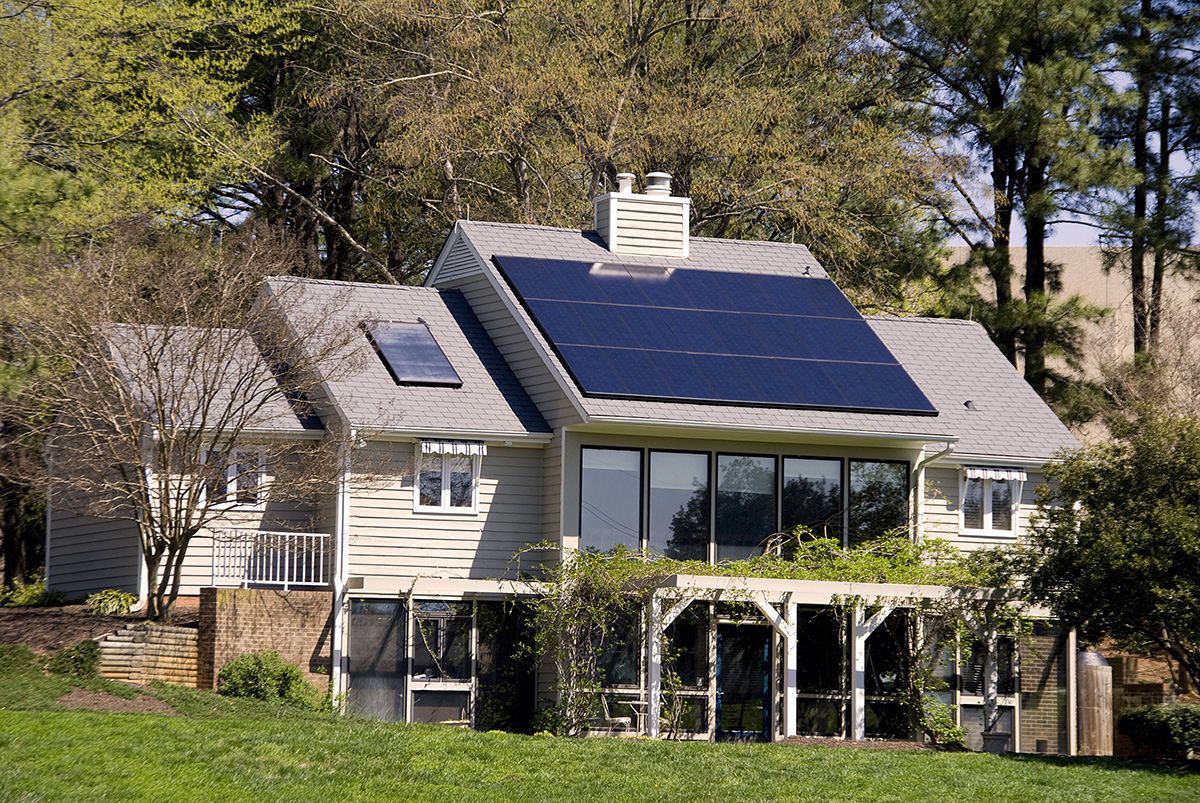
Future Homes: Sustainability and Smart Technology Shaping Real Estate

In the ever-evolving landscape of real estate, two groundbreaking trends are shaping the homes of tomorrow: sustainability and smart home technology. As consumers become increasingly aware of their environmental impact and as technology continues to advance at lightning speed, these trends are significantly influencing buying decisions in the residential real estate market.

By |February 25, 2025|Categories: Article, Real Estate, Technology|Tags: , |0 Comments

Harvard Study Projects Dramatic Slowdown in U.S. Household Growth

In a comprehensive analysis by Harvard's Joint Center for Housing Studies, there is a projected increase of 8.6 million households in the United States from 2025 to 2035. This equates to approximately 860,000 new households per year, marking a significant deceleration compared to the post-Great Recession era, which saw a sluggish yet larger gain of 10.1 million households.

By |February 24, 2025|Categories: Article, Demographics, Housing|Tags: , |0 Comments

AI Revolutionizing Real Estate: Predicting Trends and Values

The real estate industry, often seen as conservative, is gradually embracing technological advancements with AI leading the charge. Generative AI is already revolutionizing real estate marketing by enhancing customer experiences and optimizing content creation.

By |February 24, 2025|Categories: Article, Real Estate, Technology/AI|Tags: , |0 Comments

In-Person Work Policies: A Beacon of Hope for Commercial Real Estate

With office occupancy plummeting by 90% from February to March 2020, the impact of remote work was palpable. However, the researchers found that hybrid mandates and adding more in-office days could mitigate some of these challenges.