Investors Gear Up for a Commercial Real Estate Comeback in 2026

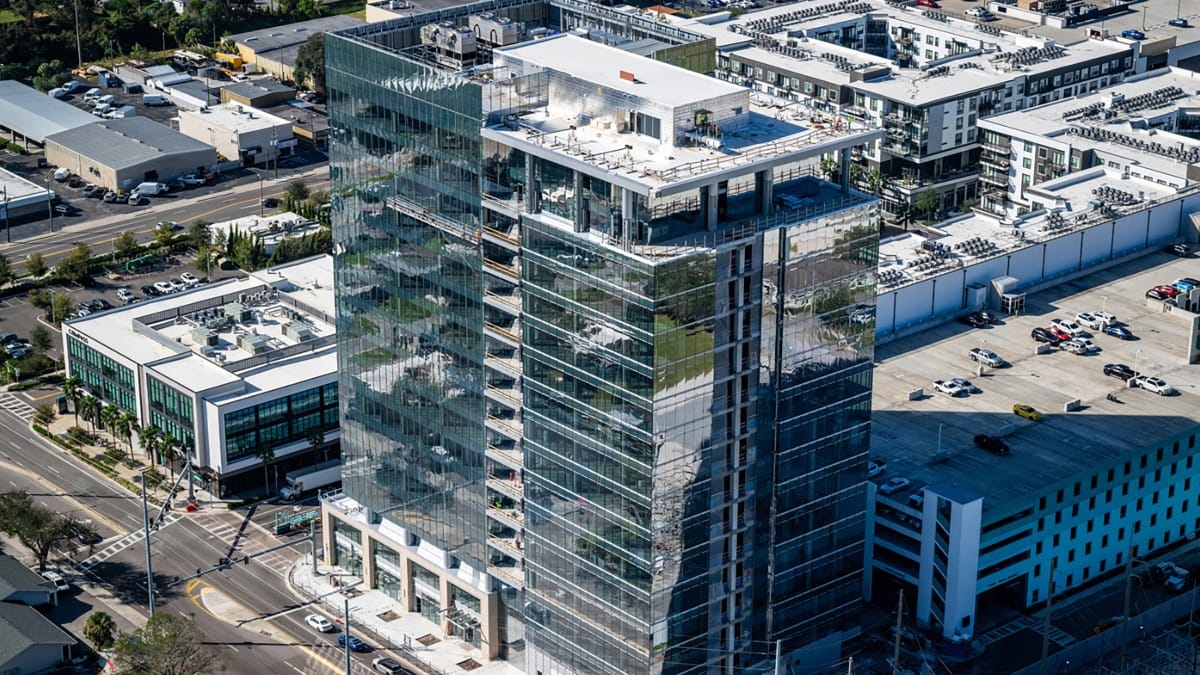
Modern city skyscrapers

After two years of turbulence, the U.S. commercial real estate market is finally showing signs of stabilization—and investors are gearing up for a major comeback. According to CBRE’s 2026 North America Investor Intentions Survey, confidence is rising, pricing is leveling out, and capital is preparing to flow more aggressively into the sector.

95% of investors expect to buy as much or more commercial real estate compared to 2025, and an impressive 55% plan to increase capital allocations. For a sector that has spent years weathering uncertainty, this shift signals a powerful turning point.

“Investors are approaching 2026 with optimism about the continued recovery of commercial real estate,” said Tommy Lee, President and Co-Head of Capital Markets for CBRE. “Stabilizing debt costs and attractive entry points are driving confidence.”

Dallas Leads the Way—Again

Dallas retains its crown as the top U.S. market for investment—five years running. Atlanta and San Francisco follow close behind, while surging markets like Tampa, Nashville, Charlotte, and Seattle reveal a renewed hunger for high-growth metro opportunities.

Hot Market Trend: Investors remain bullish on Sun Belt cities but are also eyeing discounted gateway markets such as San Francisco and New York for long-term repositioning.

Multifamily: Still the Star of the Show

Multifamily continues to dominate investor attention, targeted by 74% of survey respondents. Industrial and logistics properties come second, fueled by e-commerce expansion and supply-chain restructuring.

Other asset class interest includes:

• Retail (27%) • Office (16%) • High‑demand alternatives such as self-storage, land, cold storage, industrial outdoor storage, and healthcare (11%)

Across all categories, investors are prioritizing high‑quality, stable assets that can weather economic fluctuations and position portfolios for long-term upside.

Moderate‑Risk Strategies Take Center Stage

Value-add and core-plus strategies remain the clear favorites, reflecting a search for moderate risk with meaningful upside potential. Opportunistic plays and distressed-asset hunting are taking a back seat as confidence and expectations begin to normalize.

Debt Conditions Stabilize—But Caution Remains

More than 70% of investors plan to maintain their current debt-to-equity ratios, even though nearly half expect to tolerate one year of negative leverage. While concerns around interest rates and reduced refinancing loan sizes still linger, investors are increasingly turning to direct equity opportunities to secure favorable pricing.

Looking Ahead: 2026 may become the pivotal year investors have anticipated. With optimism strengthening and capital primed for deployment, commercial real estate could experience its most active period in years.

For professionals looking to elevate or expand their careers in an evolving industry, understanding these market shifts is essential. Whether you’re pursuing new credentials or strengthening your expertise, Cameron Academy continues to support learners nationwide with flexible, accessible education across real estate, mortgage, insurance, finance, healthcare, and more.

Read the Original Source

More Articles

Getting licensed or staying ahead in your career can be a journey—but it doesn’t have to be overwhelming. Grab your favorite coffee or tea, take a moment to relax, and browse through our articles. Whether you’re just starting out or renewing your expertise, we’ve got tips, insights, and advice to keep you moving forward. Here’s to your success—one sip and one step at a time!

Florida Judge Reopens Hundreds of Citizens Insurance Disputes, Triggering Statewide Arbitration Shake‑Up

A Leon County judge has ordered Florida’s administrative courts to restart arbitration on more than 400 stalled Citizens Insurance cases, reigniting a legal showdown over whether the state’s insurer of last resort can force policyholders out of traditional courtrooms. The ruling directly conflicts with a separate Hillsborough County injunction that called Citizens’ arbitration system “likely unconstitutional,” setting up a rare judicial clash that could reshape how Floridians fight denied or underpaid property claims.

Inhabit Unveils Cutting‑Edge AI, Fraud Prevention, and Compliance Tech Set to Transform Property Management in 2025

Inhabit has launched a powerful new suite of AI‑driven tools designed to modernize leasing, strengthen fraud prevention, and simplify compliance for property managers nationwide. From advanced leasing assistants and NYC‑specific regulatory AI to instant income verification and upcoming identity‑screening tech, these innovations aim to solve some of the industry’s toughest challenges. Real estate professionals—especially in multifamily—can expect faster operations, stronger safeguards, and a more efficient workflow as these technologies roll out.

The Coming Housing Surplus: How Baby Boomer Demographics Could Reshape the Real Estate Market

A growing body of demographic research suggests that today’s housing shortage may give way to a future surplus as millions of Baby Boomer–owned homes return to the market over the next two decades. With affordability at historic lows and inventory still tight, this long‑term shift could eventually cool prices and transform the landscape for real estate professionals. The analysis draws parallels to aging populations abroad and highlights why understanding demographic cycles is becoming essential knowledge for agents, brokers, and mortgage professionals preparing for the next era of the housing market.

Griffin Funding Elevates John Jones to SVP of Growth as Lender Targets $3B in Non‑QM Volume

Griffin Funding has appointed John Jones as Senior Vice President of Growth and EOS Integrator, a move aimed at accelerating the lender’s push toward $3 billion in annual non‑QM loan volume by 2030. Jones, previously the company’s fractional integrator and COO, will lead expansion strategies, operational optimization, and leadership development as the lender strengthens its position in the increasingly competitive non‑QM market.

Tampa Defies National Real Estate Slowdown With Nearly 20% Stronger Multifamily Returns

A new report shows Tampa outperforming the national real estate slowdown with a 6.5 percent annualized multifamily return, nearly 20 percent higher than the U.S. average. While many metros face oversupply or regulatory drag, Tampa’s balanced development pipeline, strong population growth, and investor confidence continue to fuel resilient performance heading into 2026.

Global Investors Are Re‑Entering the Market—and Their Next Moves Could Reshape 2026

A new Colliers outlook reveals that global capital is picking up momentum again, with investors shifting toward more active, hands‑on strategies. Data centers are surging, offices are rebounding, and value‑add plays like adaptive reuse are defining the next wave of opportunity. Regional markets—from the U.S. to APAC—are seeing renewed demand as fundraising spreads across continents and investors seek speed, control, and scale. This snapshot helps today’s real estate and finance professionals stay aligned with where global money is moving next.