Investors Gear Up for a Big 2026 as U.S. Commercial Real Estate Finds Its Footing
The commercial real estate world is stepping into 2026 with something it hasn’t felt in years: genuine momentum. According to the new CBRE 2026 North America Investor Intentions Survey, investor confidence is rising as pricing stabilizes, debt pressure eases, and capital begins flowing back into the market.
A remarkable 95% of surveyed investors say they plan to buy as much—or more—commercial real estate compared to last year. Even better, 55% plan to increase their capital allocations, a sharp improvement that signals renewed faith in long-term fundamentals.
Source Spotlight
This article draws from reporting originally published by the Boston Real Estate Times, one of the industry’s most respected voices for reliable market analysis and forward‑looking insights.
Dallas Dominates, Sun Belt Shines, New Markets Rise
Dallas once again claims the crown as the top investment market for U.S. investors—its fifth consecutive year. Atlanta and San Francisco secure the next spots, while rapidly growing metros like Charlotte, Nashville, Tampa, and Seattle break into the top 10.
Sun Belt cities continue attracting capital, but major coastal gateways are beginning to look irresistible thanks to appealing price resets and strategic entry points rarely seen in the last decade.
Multifamily Remains the Favorite
No surprise here: multifamily leads at 74%, continuing its reign as the nation’s most dependable asset class. Industrial and logistics follow at 37%, supported by strong e‑commerce demand.
Retail is mounting a subtle but promising rebound at 27%, while office struggles at 16% as hybrid and flexible work reshape tenant demand.
Alternative assets—healthcare, cold storage, land, and self‑storage—earned interest from 11% of investors who are still prioritizing discounted opportunities in traditional sectors.
Value‑Add Strategies Lead the Pack
With stability returning, investors are pursuing value‑add and core‑plus strategies that balance moderate risk with strong performance potential. Meanwhile, distressed and opportunistic approaches have cooled as market sentiment shifts toward recovery instead of rescue.
Debt Takes a Back Seat as Equity Gains Appeal
Despite the optimism, leverage remains a sticking point. Over 70% plan to maintain current debt‑to‑equity ratios, and nearly half expect a year or more of negative leverage.
Interest rate uncertainty and refinancing challenges persist, but many see this period as a rare window for equity‑driven opportunity.
What This Means for Professionals and Future Investors
For professionals in the field—and those preparing to enter it—the 2026 landscape offers both opportunity and complexity. Understanding market cycles, capital flows, and investor psychology has become more important than ever.
Educational partners like Cameron Academy continue helping students and professionals build the knowledge needed to thrive in markets just like this—especially as real estate, mortgage, finance, and insurance sectors evolve across the U.S.
The Great Office Reinvention
Want to dive deeper into the changing office market? Check out Eventbrite’s powerful session, “The Great Office Reinvention,” exploring what truly works in 2026 and beyond.
As investors move from caution to calculated confidence, 2026 is shaping up to be a year of strategic growth, bold repositioning, and renewed optimism. For professionals across every sector, staying informed will be the key to staying ahead.
More Articles
Getting licensed or staying ahead in your career can be a journey—but it doesn’t have to be overwhelming. Grab your favorite coffee or tea, take a moment to relax, and browse through our articles. Whether you’re just starting out or renewing your expertise, we’ve got tips, insights, and advice to keep you moving forward. Here’s to your success—one sip and one step at a time!
Cybercrime in 2025 has evolved into a full‑scale service economy, with malware now available through subscription platforms that operate like mainstream tech businesses. Bitsight’s latest analysis reveals explosive growth in Malware‑as‑a‑Service tools, rising attacks across industries like healthcare, finance, tech, and real estate, and a surge in cross‑platform malware and supply‑chain exploits. For professionals in any licensed field, the message is clear: today’s digital landscape demands heightened vigilance, stronger identity security, and proactive defense against an increasingly organized underground threat environment.
A new proptech startup in the UAE, Gllit is redefining how property deals happen by removing agents, eliminating commissions, and integrating AI tools that let users create professional listings in seconds. With a fast, transparent, and direct-to-owner model, Gllit offers a glimpse into the future of global real estate — and a powerful case study for U.S. professionals preparing for tech-driven changes in the industry.
The 2026 housing market is shaping up to be a year of stability with a few surprises. Mortgage rates are expected to hold steady, home price growth is slowing, and yet ownership costs continue to rise due to soaring taxes and insurance. Meanwhile, renting is becoming more attractive as affordability improves and built‑to‑rent communities expand. This breakdown highlights the biggest trends ahead — and what they mean for buyers, sellers, and real estate professionals, especially in Florida.
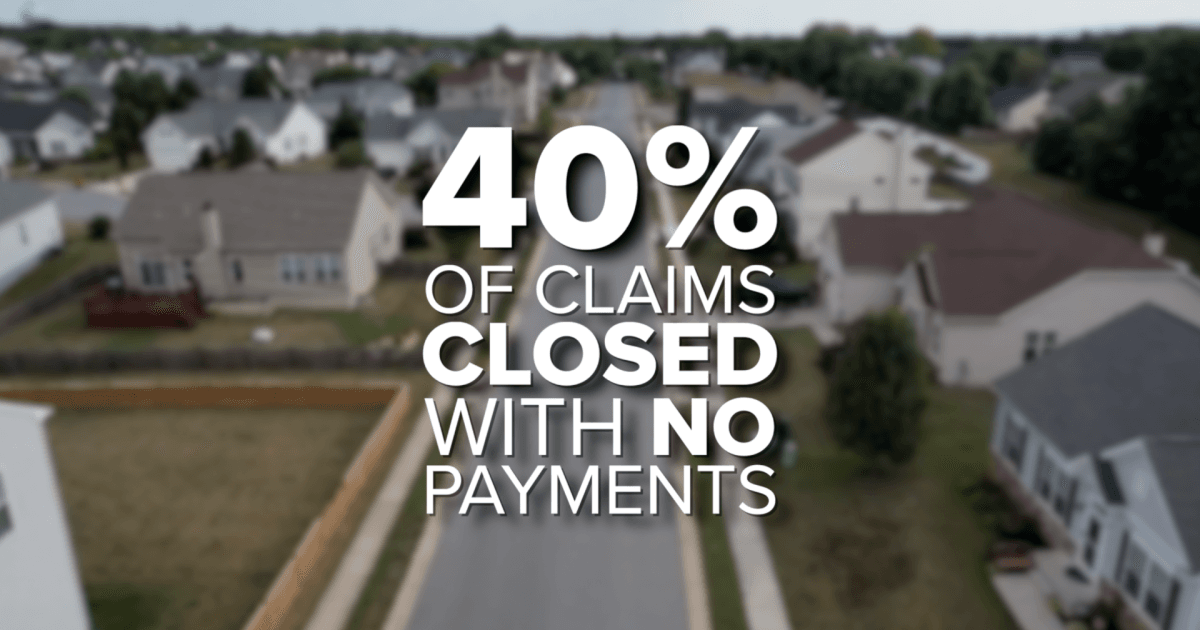
Florida homeowners are facing some of the highest insurance premiums in the nation, with average costs now topping $5,800 per year—about $3,000 above the U.S. average. Many residents report their rates have doubled or even tripled, while more than 40 percent of claims are closed with no payment. As frustration grows, state lawmakers and consumer advocates are pushing for transparency, rate caps, and incentives to help storm‑proof homes. The outcome of these reform efforts could reshape Florida’s real estate market, insurance landscape, and affordability for years to come.
A new global study from Risk.net and SAS reveals that many insurance companies are still making key decisions in isolated silos, despite industry-wide pushes toward data-driven strategies. While most leaders claim to have a clear vision, 38 percent admit they lack a real-time view of risks, revenue and costs. With poor data quality, limited collaboration and outdated processes holding teams back, experts say the industry is poised for a major transformation through AI, analytics and unified strategy—offering lessons for professionals across insurance, real estate, finance and other regulated fields.
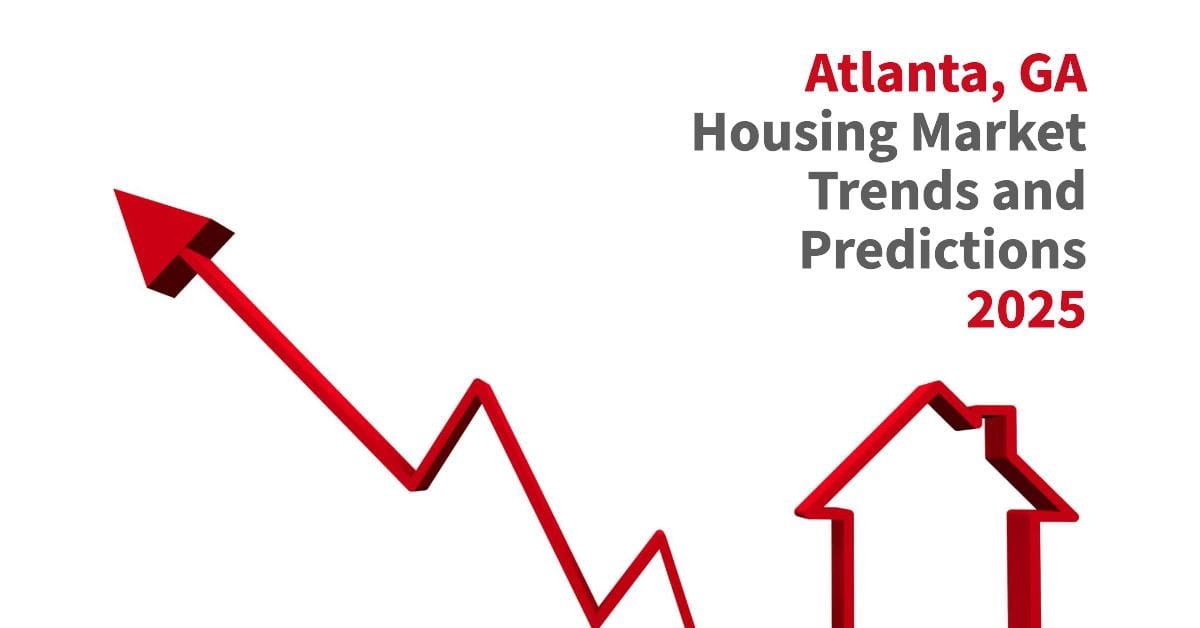
Atlanta’s housing market is shifting into a more balanced and predictable phase. Prices have leveled off, inventory has finally caught up, and mortgage rates are easing enough to bring buyers back into the game. With steady demand, growing listings, and only mild price corrections forecasted into 2026, Atlanta remains one of the Southeast’s strongest real estate markets for buyers, sellers, and investors alike.