
Irondequoit Just Claimed the Title of America’s Most Competitive Housing Market

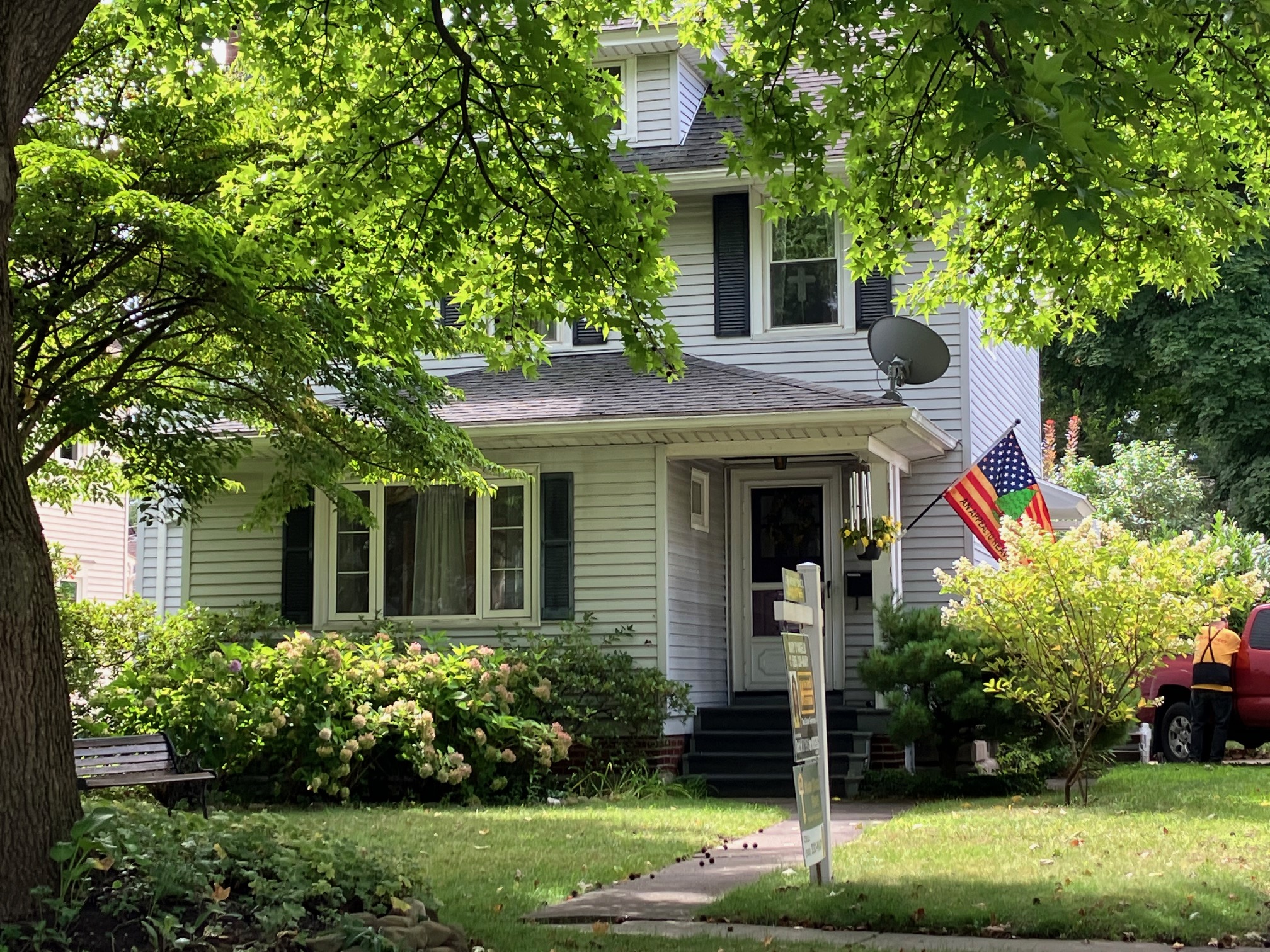
Suburban home in irondequoit

Homebuyers looking for an edge may want to study the playbook of one unexpected champion: Irondequoit, New York. According to a new report from Redfin, this Rochester-area suburb now ranks as the most competitive housing market in the entire United States.

Homes in this scenic lakeside town are flying off the market in an average of just 8.5 days and regularly selling above asking price. The median sale price currently sits at $249,132—an eye-catching number for buyers seeking affordability in a rapidly intensifying landscape.

A Surprising Lineup of Competitive Markets

Irondequoit’s closest competitors aren’t the cities most Americans would expect. Following behind are:

  • Sunnyvale, California
  • Santa Clara, California
  • Tonawanda, New York (Erie County)
  • Mountain View, California

This mix of tech-heavy metros and upstate New York communities reveals a dramatic shift in buyer behavior—one that highlights a changing national housing landscape.

How the Pandemic Changed the Market’s DNA

Redfin reports that U.S. housing trends have not returned to pre-pandemic norms. Competition is historically low in many regions, yet prices continue climbing. Affordability pressures have intensified for both first-time buyers and long-established residents.

“As the market continues to shift, buyers are searching for anything they can reasonably afford,” said Asad Khan, a senior economist at Redfin. “Many are choosing lower-cost cities in the Rust Belt and East Coast where their dollars stretch farther.”

He also noted that wealthy, tech-driven buyers are reigniting bidding wars in the Bay Area—proof that there is no single American housing market anymore, but a patchwork of competing realities.

Rising Pressures in Upstate New York

Advocacy groups across the region warn that increased investment and demand—while economically beneficial—are pricing out local residents. Cities like Rochester and Buffalo are experiencing faster-rising housing costs and sharper financial challenges, mirroring concerns seen across the country.

Looking Ahead: 2026 Housing Predictions

Redfin forecasts that Great Lakes cities such as Rochester and Buffalo will emerge as the hottest markets of 2026. At the same time, once high-flying regions in coastal Florida and Texas may begin cooling.

Competition is expected to ease slightly nationwide as mortgage rates settle into the low 6% range during the peak season. Combined with the strength of rising wages, some relief may finally reach sidelined buyers.

Still, affordability challenges won’t vanish overnight. “Competition and affordability are closely intertwined,” Khan explained. “As the supply of homes grows and buying power increases, we’ll inch closer to more normal sales numbers.”

What This Means for Real Estate Professionals

For agents, appraisers, mortgage brokers, and new licensees, markets like Irondequoit underscore the increasing value of staying informed, agile, and strategically educated. In fast-moving markets, the professionals who thrive are those who never stop learning.

If you’re entering the real estate field—or expanding your professional credentials—Florida-based Cameron Academy continues to offer accessible, career-shaping licensing education and advanced training across all 50 states. In a competitive housing landscape, competitive knowledge is your greatest advantage.

Source: Rochester Business Journal — https://rbj.net/2025/12/23/irondequoit-most-competitive-housing-market-redfin-report/

More Articles

Getting licensed or staying ahead in your career can be a journey—but it doesn’t have to be overwhelming. Grab your favorite coffee or tea, take a moment to relax, and browse through our articles. Whether you’re just starting out or renewing your expertise, we’ve got tips, insights, and advice to keep you moving forward. Here’s to your success—one sip and one step at a time!

Free Money in 2026? The Truth About the DOGE Dividend Stimulus Check

The DOGE Dividend: What You Need to Know About the Proposed 2026 Stimulus Check Hey there! If you’ve been wondering #ReadMore

Navigating Seller’s Market: Twin Cities Housing Trends and Predictions for 2024

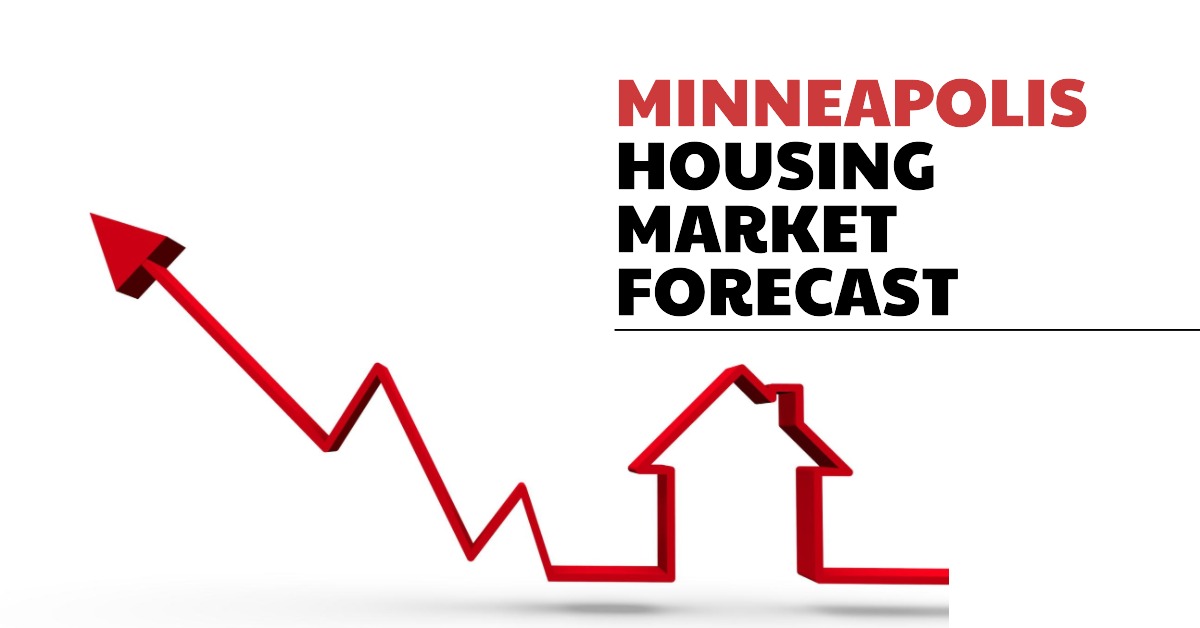
The Minneapolis housing market is currently navigating a complex terrain, marked by a curious blend of optimism and caution. In 2024, home sales in the Twin Cities area experienced a modest uptick of 1.8%.

Future Homes: Sustainability and Smart Technology Shaping Real Estate

In the ever-evolving landscape of real estate, two groundbreaking trends are shaping the homes of tomorrow: sustainability and smart home technology. As consumers become increasingly aware of their environmental impact and as technology continues to advance at lightning speed, these trends are significantly influencing buying decisions in the residential real estate market.

By |February 25, 2025|Categories: Article, Real Estate, Technology|Tags: , |0 Comments

Harvard Study Projects Dramatic Slowdown in U.S. Household Growth

In a comprehensive analysis by Harvard's Joint Center for Housing Studies, there is a projected increase of 8.6 million households in the United States from 2025 to 2035. This equates to approximately 860,000 new households per year, marking a significant deceleration compared to the post-Great Recession era, which saw a sluggish yet larger gain of 10.1 million households.

By |February 24, 2025|Categories: Article, Demographics, Housing|Tags: , |0 Comments

AI Revolutionizing Real Estate: Predicting Trends and Values

The real estate industry, often seen as conservative, is gradually embracing technological advancements with AI leading the charge. Generative AI is already revolutionizing real estate marketing by enhancing customer experiences and optimizing content creation.

By |February 24, 2025|Categories: Article, Real Estate, Technology/AI|Tags: , |0 Comments

In-Person Work Policies: A Beacon of Hope for Commercial Real Estate

With office occupancy plummeting by 90% from February to March 2020, the impact of remote work was palpable. However, the researchers found that hybrid mandates and adding more in-office days could mitigate some of these challenges.