Irondequoit Just Claimed the Title of America’s Most Competitive Housing Market

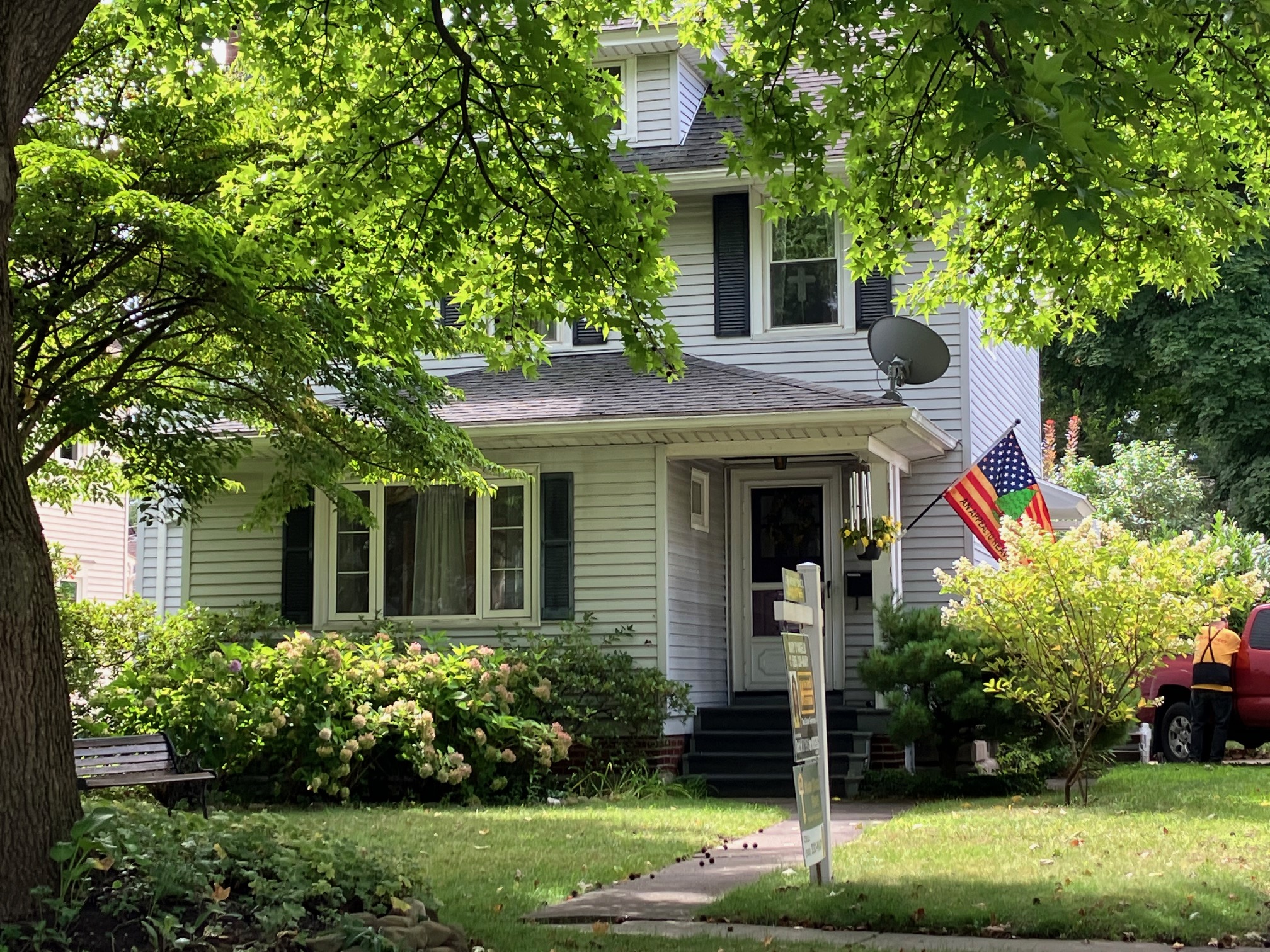
Suburban home in irondequoit

Homebuyers looking for an edge may want to study the playbook of one unexpected champion: Irondequoit, New York. According to a new report from Redfin, this Rochester-area suburb now ranks as the most competitive housing market in the entire United States.

Homes in this scenic lakeside town are flying off the market in an average of just 8.5 days and regularly selling above asking price. The median sale price currently sits at $249,132—an eye-catching number for buyers seeking affordability in a rapidly intensifying landscape.

A Surprising Lineup of Competitive Markets

Irondequoit’s closest competitors aren’t the cities most Americans would expect. Following behind are:

  • Sunnyvale, California
  • Santa Clara, California
  • Tonawanda, New York (Erie County)
  • Mountain View, California

This mix of tech-heavy metros and upstate New York communities reveals a dramatic shift in buyer behavior—one that highlights a changing national housing landscape.

How the Pandemic Changed the Market’s DNA

Redfin reports that U.S. housing trends have not returned to pre-pandemic norms. Competition is historically low in many regions, yet prices continue climbing. Affordability pressures have intensified for both first-time buyers and long-established residents.

“As the market continues to shift, buyers are searching for anything they can reasonably afford,” said Asad Khan, a senior economist at Redfin. “Many are choosing lower-cost cities in the Rust Belt and East Coast where their dollars stretch farther.”

He also noted that wealthy, tech-driven buyers are reigniting bidding wars in the Bay Area—proof that there is no single American housing market anymore, but a patchwork of competing realities.

Rising Pressures in Upstate New York

Advocacy groups across the region warn that increased investment and demand—while economically beneficial—are pricing out local residents. Cities like Rochester and Buffalo are experiencing faster-rising housing costs and sharper financial challenges, mirroring concerns seen across the country.

Looking Ahead: 2026 Housing Predictions

Redfin forecasts that Great Lakes cities such as Rochester and Buffalo will emerge as the hottest markets of 2026. At the same time, once high-flying regions in coastal Florida and Texas may begin cooling.

Competition is expected to ease slightly nationwide as mortgage rates settle into the low 6% range during the peak season. Combined with the strength of rising wages, some relief may finally reach sidelined buyers.

Still, affordability challenges won’t vanish overnight. “Competition and affordability are closely intertwined,” Khan explained. “As the supply of homes grows and buying power increases, we’ll inch closer to more normal sales numbers.”

What This Means for Real Estate Professionals

For agents, appraisers, mortgage brokers, and new licensees, markets like Irondequoit underscore the increasing value of staying informed, agile, and strategically educated. In fast-moving markets, the professionals who thrive are those who never stop learning.

If you’re entering the real estate field—or expanding your professional credentials—Florida-based Cameron Academy continues to offer accessible, career-shaping licensing education and advanced training across all 50 states. In a competitive housing landscape, competitive knowledge is your greatest advantage.

Source: Rochester Business Journal — https://rbj.net/2025/12/23/irondequoit-most-competitive-housing-market-redfin-report/

More Articles

Getting licensed or staying ahead in your career can be a journey—but it doesn’t have to be overwhelming. Grab your favorite coffee or tea, take a moment to relax, and browse through our articles. Whether you’re just starting out or renewing your expertise, we’ve got tips, insights, and advice to keep you moving forward. Here’s to your success—one sip and one step at a time!

Los Alamitos at a Breaking Point After 18 Racehorse Deaths Spur Emergency Safety Demands

Los Alamitos Race Course is facing its most serious crisis in years after 18 horses died in 2025, prompting regulators to warn the track that its racing license is at risk without immediate safety reforms. Following three catastrophic injuries in a single day, the California Horse Racing Board has ordered urgent changes—including more veterinarians, stricter medication rules, and enhanced on‑track medical support—as pressure mounts for stronger oversight in a sport already under national scrutiny.

Why Canadian Investors Are Flooding U.S. Real Estate Despite Tariffs and Tensions

Canadian investors have poured more than US$5.8 billion into U.S. commercial real estate this year, making the U.S. their top destination even amid a lingering tariff dispute. Tight inventory in Canada and greater deal availability south of the border are driving the trend, with data centers and industrial properties emerging as the hottest targets for 2025.

Florida’s Insurance Chief Warns Homeowners: Most Don’t Understand Their Policies

Florida’s insurance commissioner says even industry pros struggle to read today’s 150‑page homeowners policies—leaving residents shocked when hurricane claims are denied. With rising premiums, high replacement costs, and widespread confusion over exclusions like flood and water damage, the state is pushing for simpler, clearer policy language so homeowners know what they’re actually covered for before the next storm hits.

Post‑Election Power Plays: How Major U.S. Cities Are Quietly Redrawing the Real Estate Map

Following the 2025 elections, major metros like New York, Chicago, Miami, Los Angeles, and Boston are implementing policy shifts that could reshape property values, rental income, development timelines, and investment strategy heading into 2026. From New York’s push toward aggressive rent reform to Chicago’s sustainability mandates and Miami’s uncertain mayoral runoff, these changes signal a new era where local politics increasingly dictate market performance. This breakdown highlights the biggest post‑election real estate pivots and what they mean for investors, agents, and finance professionals preparing for a rapidly evolving landscape.

Florida Insurance Boss Drops a Truth Bomb: Most Homeowners Have No Idea What They’re Actually Covered For

Florida’s Insurance Commissioner is sounding the alarm after thousands of homeowners discovered—only after hurricanes Helene and Milton—that the coverage they thought they had didn’t exist. With nearly 150,000 unpaid claims tied to misunderstood flood exclusions, water‑damage caps, and buried policy clauses, state leaders are pushing to simplify the dense, confusing documents most Floridians never read. As insurance costs remain one of the state’s top concerns, this growing complexity is creating a massive opportunity for real estate, mortgage, and insurance professionals to guide consumers before disaster strikes.

Florida’s Insurance “Fixes” Backfire as Homeowners Face Higher Costs and Riskier Insurers

Florida’s insurance market is reliving an old crisis under a new name. Despite reforms meant to stabilize the system, homeowners are being forced out of Citizens and into pricier policies from small insurers with shaky financial histories. Companies tied to past insolvencies are returning with fresh branding, while highly rated carriers continue to deny a majority of claims. With political influence muddying regulation and climate risks rising, experts warn that only a full structural overhaul—not cosmetic reforms—can restore confidence for homeowners, agents, and the entire real estate market.