Is 2026 the Moment Homebuyers Have Been Waiting For? Here’s What the Market Is Signaling
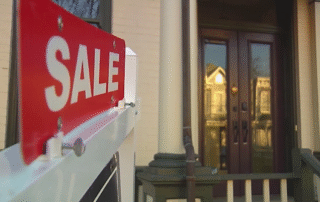
The U.S. housing market is gearing up for a pivotal year in 2026, and early indicators are giving prospective buyers, investors, and real estate professionals plenty to think about. With mortgage rates expected to dip slightly, new-home construction gaining momentum, and affordability shifting across regions, the upcoming market offers opportunity—if you know where to look.
This article is inspired by a detailed report from Investopedia. For full insights and deeper analysis, their original coverage is available on their website.
Key Takeaways for 2026
Mortgage rates may dip slightly—but will likely remain above pre‑2022 levels.
Affordability varies widely by region, with the Midwest and South offering more favorable conditions.
Adjustable‑rate mortgages (ARMs) and new‑construction homes are becoming increasingly attractive options.
Mortgage Rates: Some Relief, But Not a Major Drop
After spiking above 7% in early 2025, mortgage rates relaxed to roughly 6.2% by year’s end. While welcome, experts warn buyers not to expect dramatic decreases heading into 2026.
The Mortgage Bankers Association predicts rates will hover between 6% and 6.5%. Redfin anticipates a 6.3% average, and the National Association of Realtors expects rates to remain “around 6%.”
Despite multiple Federal Reserve reductions to short‑term rates since 2024, mortgage rates haven’t followed suit—because long‑term bonds, not the Fed’s cuts, ultimately shape mortgage pricing.
“It will be a modest decline that will improve affordability,” said Lawrence Yun, Chief Economist at the National Association of Realtors.
For real estate and mortgage‑industry learners at Cameron Academy, this trend reinforces the necessity of understanding long‑term rate behavior, Treasury yields, and the economic factors that influence home financing.
Affordability Depends on Location—Sometimes Dramatically
The U.S. housing market in 2026 is anything but uniform. High‑cost regions like coastal California and the Northeast remain challenging, while cities throughout the South and Midwest offer significantly more reasonable buying conditions.
Oxford Economics highlights cities such as Cleveland, Cincinnati, Detroit, St. Louis, New Orleans, Louisville, Memphis, Tucson, and Oklahoma City as standout markets where buyers can still find value.
Local taxes and insurance—often overlooked—play a critical role in shaping these affordability gaps.
ARMs Are Making a Comeback
With fixed rates staying elevated, more buyers are transitioning toward adjustable‑rate mortgages. ARMs offer lower introductory rates, providing immediate monthly savings. Roughly 10% of buyers chose ARMs in late 2025, well above the historical 6% average.
“In this environment where borrowers are struggling with lack of affordability, moving to an ARM can result in real savings,” noted MBA Deputy Chief Economist Joel Kan.
Of course, ARMs come with risks—especially if rates spike in later years. But for buyers planning shorter stays or anticipating rate drops, they remain a powerful tool.
New Construction May Be the Smarter Buy
Newly constructed homes continue to outperform existing‑home sales thanks to builder incentives and increasing availability. In a rare reversal of typical trends, the average new‑home price ($413,500) dipped below the average price of existing homes ($422,600).
Options like rate buydowns, closing‑cost credits, and customization features make new construction an appealing choice for many 2026 buyers.
“Buyers are seeing a lot of value in new homes and taking advantage of the unusually high glut of new homes for sale on the market,” shared Heather Long, Chief Economist at Navy Federal Credit Union.
What This Means for Future Real Estate Professionals
Whether you’re launching your real estate career or expanding into mortgage, insurance, or appraisal sectors, understanding the 2026 landscape is vital. Students at Cameron Academy learn that market cycles often create the best professional opportunities—and 2026 appears to be exactly that type of year.
As affordability evolves and buyer behavior shifts, knowledgeable professionals will be in high demand. If you’re looking for flexible, career‑focused licensing education, Cameron Academy continues to support new and seasoned professionals across the nation.
For deeper insights, be sure to explore the full original report directly from Investopedia.
More Articles
Getting licensed or staying ahead in your career can be a journey—but it doesn’t have to be overwhelming. Grab your favorite coffee or tea, take a moment to relax, and browse through our articles. Whether you’re just starting out or renewing your expertise, we’ve got tips, insights, and advice to keep you moving forward. Here’s to your success—one sip and one step at a time!
Florida now holds the highest foreclosure rate in the country, and Tampa sits at the center of the surge. With one in every 1,373 homes facing foreclosure, skyrocketing insurance premiums, rising housing costs and reduced equity are pushing many homeowners—especially those who purchased between 2020 and 2023—into financial distress. While some experts view the spike as a market “normalization,” professionals in real estate and finance are watching closely as Tampa’s backlog clears and pressure continues to build across the state.
Two former 3M campuses in Northwest Austin are set for a dramatic rebirth as Karlin Real Estate pushes forward with plans for Highpoint 2222 and the Duval site. The vision includes office and lab space, up to 65,000 square feet of retail, more than 1,200 multifamily homes, and new green space. With over 500 residents weighing in through the 2222 Coalition of Neighborhood Associations, traffic, density, and environmental protections are shaping the final blueprint. As office demand cools, mixed‑use development is becoming the new normal—positioning this corridor for one of the biggest transformations Austin has seen in years.
Despite constant headlines about a “housing crisis,” many economists and industry professionals argue the reality is more nuanced. In many regions, the issue isn’t a lack of homes but a mismatch between what’s available and what buyers want or can afford. As demographic shifts and remote work reshape demand, the market is evolving—not collapsing—creating opportunities for real estate, mortgage, insurance, and finance professionals who understand the difference between perception and reality.
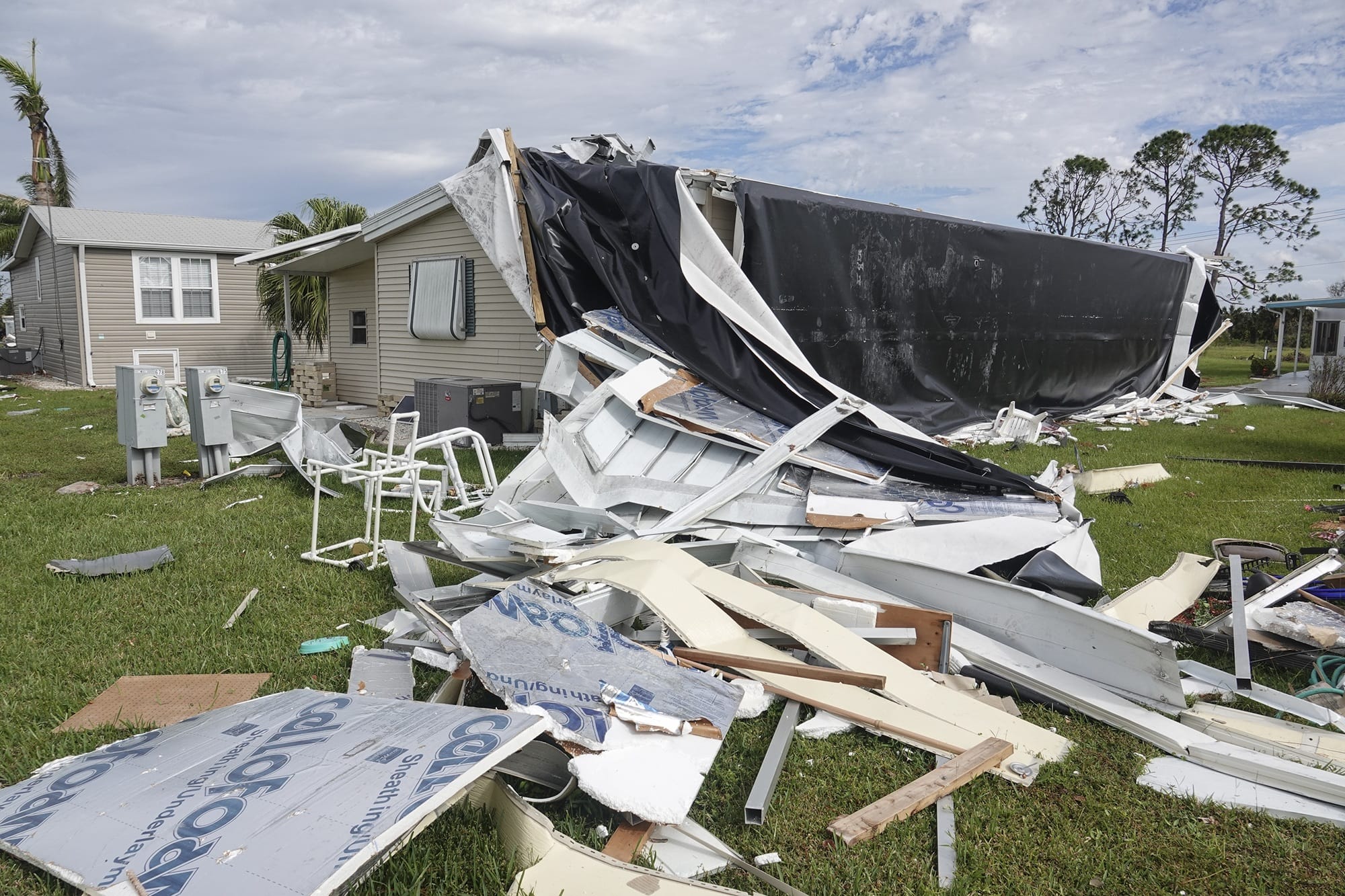
Hurricane Ian’s aftermath has exposed a growing affordability crisis across Southwest Florida. Skyrocketing insurance premiums, soaring construction costs, and rapid gentrification are making it harder for long‑time residents and middle‑class families to stay in their communities. From Fort Myers Beach to inland neighborhoods, homeowners, renters, and small businesses are feeling the pressure as rising costs reshape the region’s housing market and push many to reconsider their future in the state.
Florida’s home insurance market is facing its biggest credibility crisis in years. Despite major reforms meant to stabilize the system, homeowners are being pushed from Citizens into higher‑priced private insurers, many tied to companies that previously collapsed. Questionable financial ratings, high claim‑denial rates, and luxury‑level executive payouts are raising red flags across the state. For real estate and insurance professionals, this unstable landscape is reshaping home affordability, buyer confidence, and long‑term risk in Florida’s property market.
A new Michigan House bill aims to let licensed professionals complete all continuing education requirements online, offering greater flexibility for workers juggling rural travel, multiple jobs, or family demands. Supporters say the reform maintains high professional standards while removing unnecessary barriers, with regulators backing the shift and in‑person options remaining available.