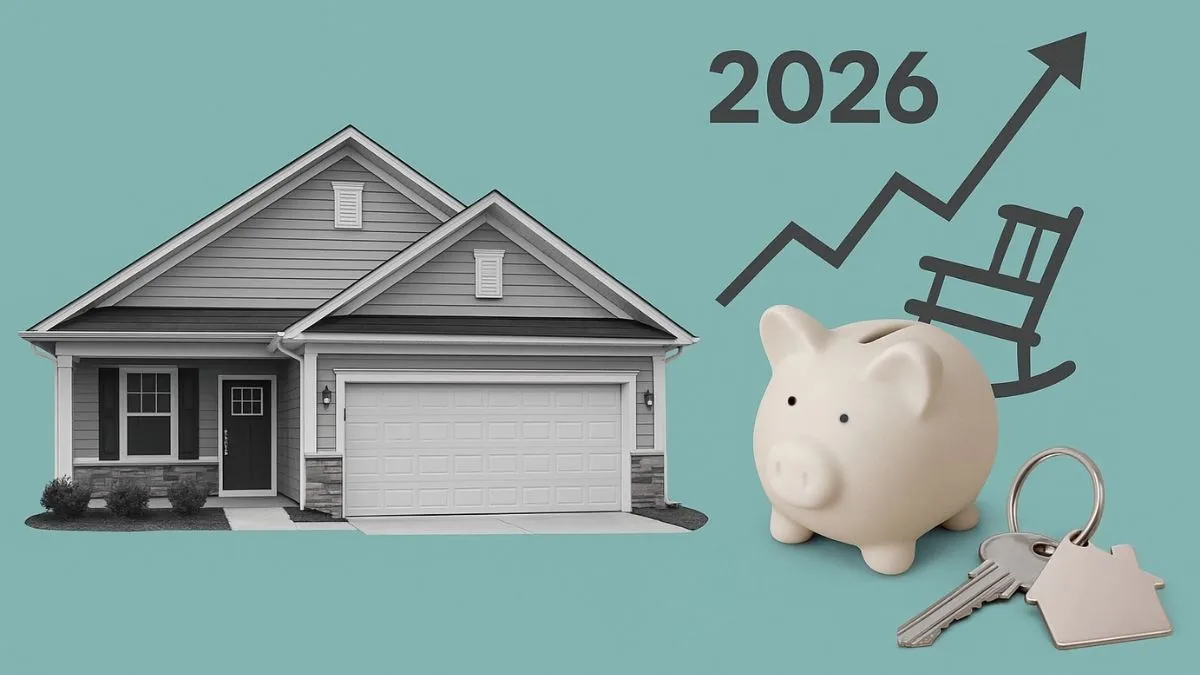
Is 2026 the Year the Housing Market Finally Roars Back? NAR Thinks So
After several sluggish years that tested the patience of brokers, buyers, and everyone in between, the National Association of REALTORS® is sending an optimistic signal across the industry. According to newly released projections, 2026 may be the long‑awaited comeback year—one marked by rising sales, stabilizing rates, and renewed market confidence.

A Forecast Worth Noting: 14% Sales Growth
NAR Chief Economist Lawrence Yun is calling for a notable 14% increase in nationwide home sales for 2026, signaling real movement after the flat conditions seen throughout 2025. New‑home sales are also projected to climb 5% next year. Importantly, Yun emphasizes that these gains are not expected to compromise home values—NAR forecasts a steady 4% price increase nationwide.
“You can finally measure the lift next year,” Yun explained at the NAR NXT Residential Economic Issues & Trends Forum, adding that job growth and persistent inventory shortages will continue to support home prices.
Momentum Is Already Here
Several early indicators are pointing toward a healthier market ahead. Mortgage applications have stayed consistently above last year’s levels—with a striking 31% year‑over‑year surge in recent weeks. Job gains remain steady, builders are adding supply, and markets have stabilized following the extended 43‑day government shutdown.
Mortgage Rates: Relief, Even If Only Slight
Rates remain a major hurdle for many buyers, but there’s progress. After entering the year near 7%, the 30‑year fixed now sits at 6.24%. Yun expects 2026 to average around 6%—not a dramatic drop, but enough to unlock pent‑up demand. While ultra‑low rates may not return soon, even modest shifts can reignite buyer momentum.
A Market Divided: The “Haves” and “Have‑Nots”
Today’s market is far from uniform. Higher‑priced homes—particularly those in the $750,000 to $1 million bracket—are moving quickly thanks to healthier inventory and confident buyers. Lower‑priced homes, however, remain scarce, fueling ongoing affordability concerns.
NAR Deputy Chief Economist Jessica Lautz outlined the widening divide between well‑positioned repeat buyers and first‑time buyers facing student loans, childcare costs, and rising rents. First‑time buyers now represent only 21% of the market—an all‑time low compared to their historic norm of 40%.
Pricing Reality: Reductions Are Back
As listings linger, sellers are rediscovering the importance of realistic pricing. MLS data shows predictable price‑reduction trends based on days on market:
- 0–14 days: 4.9%
- 15–30 days: 6.1%
- 31–60 days: 7.3%
- 61–90 days: 9%
- 91–120 days: 10.6%
- 120+ days: 13.8%
While some markets may experience temporary dips due to surging inventory, national pricing remains stable. NAR projects a 3% median price increase in 2025 and 4% in 2026.
The Bigger Picture: Fundamentals Remain Strong
Despite occasional concerns over rising foreclosures, the broader data remains encouraging: serious delinquencies are near historic lows, homeowners maintain strong equity, and job growth continues across major industries.
In short, the foundation is steady. With easing mortgage rates and rising applications, NAR believes 2026 could be a pivotal year for real estate professionals nationwide.
What This Means for Professionals—and Aspiring Agents
A rebounding market means opportunity. Whether you’re currently practicing or preparing to enter the field, staying ahead of these trends positions you for success. For aspiring real estate professionals, now is the ideal time to complete your education so you’re fully licensed by the time the surge hits.
If you’re working toward your real estate license—or branching into mortgage, insurance, or other professional fields—Cameron Academy’s flexible online programs help you stay competitive, knowledgeable, and career‑ready as the next market cycle begins.
Source: Explore NAR’s full 2026 outlook at
https://www.nar.realtor.

 The Mortgage Industry’s AI Transformation: Automation Reshapes Lending From Application to Approval Gallery