Is 2026 the Year the Housing Market Finally Roars Back? NAR Thinks So

After several sluggish years that tested the patience of brokers, buyers, and everyone in between, the National Association of REALTORS® is sending an optimistic signal across the industry. According to newly released projections, 2026 may be the long‑awaited comeback year—one marked by rising sales, stabilizing rates, and renewed market confidence.
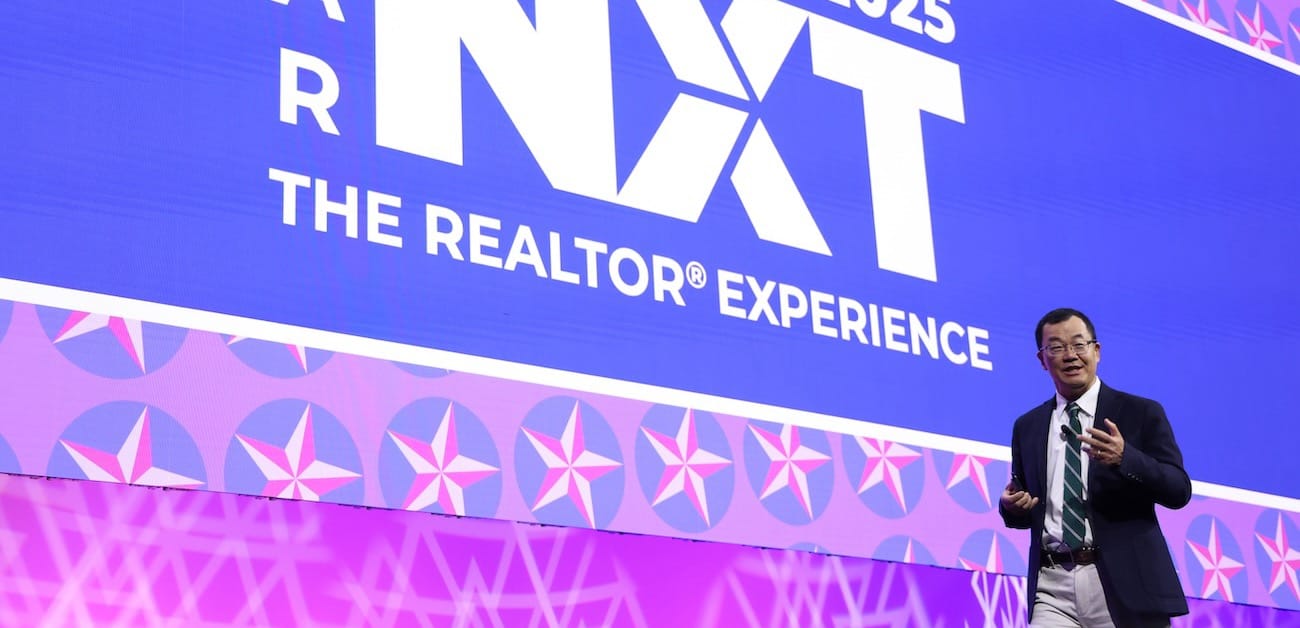
Nar conference speaker

A Forecast Worth Noting: 14% Sales Growth

NAR Chief Economist Lawrence Yun is calling for a notable 14% increase in nationwide home sales for 2026, signaling real movement after the flat conditions seen throughout 2025. New‑home sales are also projected to climb 5% next year. Importantly, Yun emphasizes that these gains are not expected to compromise home values—NAR forecasts a steady 4% price increase nationwide.

“You can finally measure the lift next year,” Yun explained at the NAR NXT Residential Economic Issues & Trends Forum, adding that job growth and persistent inventory shortages will continue to support home prices.

Momentum Is Already Here

Several early indicators are pointing toward a healthier market ahead. Mortgage applications have stayed consistently above last year’s levels—with a striking 31% year‑over‑year surge in recent weeks. Job gains remain steady, builders are adding supply, and markets have stabilized following the extended 43‑day government shutdown.

Mortgage Rates: Relief, Even If Only Slight

Rates remain a major hurdle for many buyers, but there’s progress. After entering the year near 7%, the 30‑year fixed now sits at 6.24%. Yun expects 2026 to average around 6%—not a dramatic drop, but enough to unlock pent‑up demand. While ultra‑low rates may not return soon, even modest shifts can reignite buyer momentum.

A Market Divided: The “Haves” and “Have‑Nots”

Today’s market is far from uniform. Higher‑priced homes—particularly those in the $750,000 to $1 million bracket—are moving quickly thanks to healthier inventory and confident buyers. Lower‑priced homes, however, remain scarce, fueling ongoing affordability concerns.

NAR Deputy Chief Economist Jessica Lautz outlined the widening divide between well‑positioned repeat buyers and first‑time buyers facing student loans, childcare costs, and rising rents. First‑time buyers now represent only 21% of the market—an all‑time low compared to their historic norm of 40%.

Pricing Reality: Reductions Are Back

As listings linger, sellers are rediscovering the importance of realistic pricing. MLS data shows predictable price‑reduction trends based on days on market:

  • 0–14 days: 4.9%
  • 15–30 days: 6.1%
  • 31–60 days: 7.3%
  • 61–90 days: 9%
  • 91–120 days: 10.6%
  • 120+ days: 13.8%

While some markets may experience temporary dips due to surging inventory, national pricing remains stable. NAR projects a 3% median price increase in 2025 and 4% in 2026.

The Bigger Picture: Fundamentals Remain Strong

Despite occasional concerns over rising foreclosures, the broader data remains encouraging: serious delinquencies are near historic lows, homeowners maintain strong equity, and job growth continues across major industries.

In short, the foundation is steady. With easing mortgage rates and rising applications, NAR believes 2026 could be a pivotal year for real estate professionals nationwide.

What This Means for Professionals—and Aspiring Agents

A rebounding market means opportunity. Whether you’re currently practicing or preparing to enter the field, staying ahead of these trends positions you for success. For aspiring real estate professionals, now is the ideal time to complete your education so you’re fully licensed by the time the surge hits.

If you’re working toward your real estate license—or branching into mortgage, insurance, or other professional fields—Cameron Academy’s flexible online programs help you stay competitive, knowledgeable, and career‑ready as the next market cycle begins.

Source: Explore NAR’s full 2026 outlook at https://www.nar.realtor.

More Articles

Getting licensed or staying ahead in your career can be a journey—but it doesn’t have to be overwhelming. Grab your favorite coffee or tea, take a moment to relax, and browse through our articles. Whether you’re just starting out or renewing your expertise, we’ve got tips, insights, and advice to keep you moving forward. Here’s to your success—one sip and one step at a time!

Florida’s Insurance Market Meltdown: Why New Reforms Are Repeating Old Mistakes

Florida’s property insurance system is once again spiraling as new “market-friendly” reforms fail to stabilize rising premiums, insurer failures, and mounting homeowner frustration. Despite aggressive efforts to shift policyholders from Citizens to private carriers, many of the new insurers stepping in are tied to past insolvencies, questionable ratings, and political influence. For real estate, mortgage, and insurance professionals, these systemic cracks are reshaping closings, valuations, and risk across the state—making it essential to stay ahead of ongoing regulatory and market shifts.

Top 2026 Commercial Real Estate Issues: The Trends Professionals Must Watch

Commercial real estate is heading into a turning‑point year in 2026, driven by economic uncertainty, AI‑powered transformation, shifting demographics and rising portfolio risk. Insights from The Counselors of Real Estate highlight the top issues shaping the year ahead—from fiscal pressures and capital constraints to housing shortages, global volatility and the future of data‑driven decision‑making. For real estate, mortgage, insurance and finance professionals, these trends offer a clear roadmap for staying competitive and preparing for the next wave of industry change.

The Tech Wave Transforming Real Estate in 2025

AI-powered tools, fraud protection systems, and smarter MLS integrations are sweeping through the real estate industry as major organizations adopt new technologies. From RealReports hitting its 50th partnership to BeachesMLS unveiling instant AI home visualizations and Doorify boosting security, professionals are seeing rapid advancements that promise sharper insights, safer transactions, and more efficient rental workflows. This evolving tech landscape underscores the importance of staying educated and adaptable — especially for agents preparing for a competitive, AI-enhanced 2025 market.

Florida’s Insurance Crisis Deepens as Premiums Soar and Claims Go Unpaid

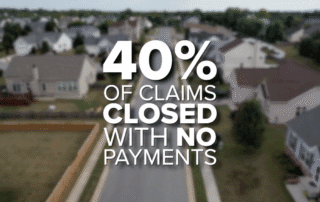
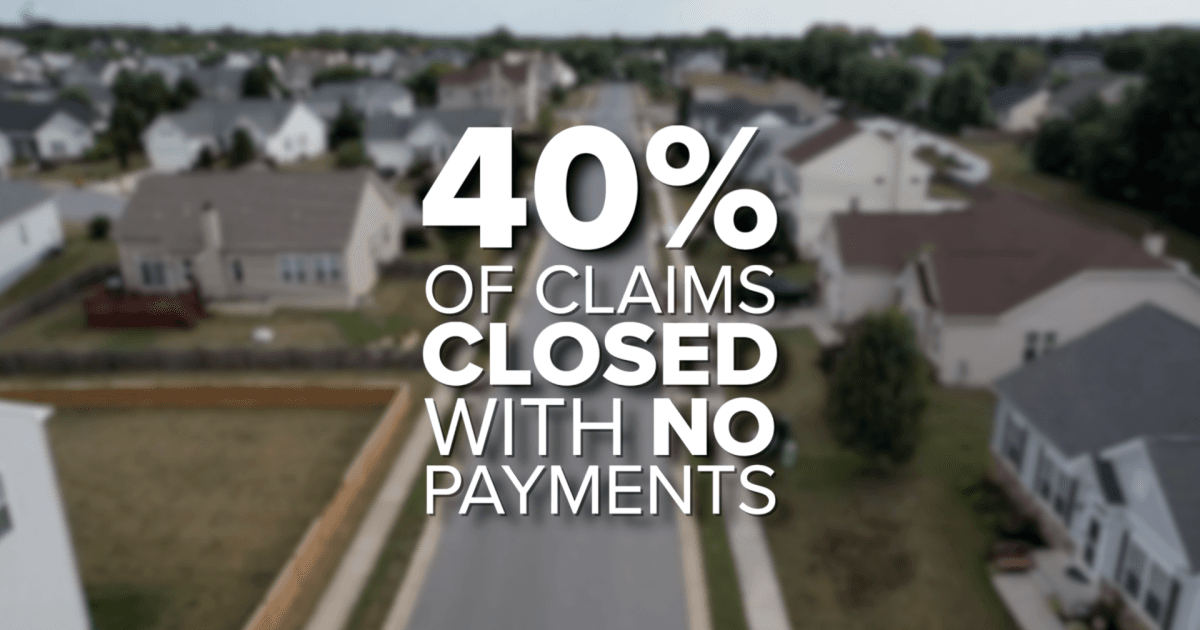
Florida homeowners are being hit with the highest insurance premiums in the nation, averaging $5,838 per year—nearly double the U.S. average. As costs skyrocket, many residents are reporting denied claims, non‑renewals, and impossible financial choices. New investigations reveal that more than 40 percent of claims in Florida close with no payment, while lawmakers push for transparency, fair pricing, and meaningful reform to stabilize a market that’s rapidly becoming unsustainable.

AI-Powered Parking Startup Vend Park Secures $17.5M to Transform a Forgotten Real Estate Asset

Vend Park, a Boston-based proptech company, has raised $17.5 million in Series A funding to reinvent parking as a high-performing commercial real estate asset. By replacing outdated operator–vendor systems with a unified AI-driven platform, Vend Park is helping major property owners boost NOI by up to 30%, slash operating costs, and modernize the tenant experience. As the company expands from three to fifteen cities and partners with giants like Nuveen and Jamestown, its technology highlights a major shift: real estate professionals must now understand AI, automation, and digital infrastructure to stay competitive.

Keller Williams Atlanta Partners Teams Up with Southeast Mortgage in a Major Georgia Market Shake‑Up

Keller Williams Realty Atlanta Partners has formed an exclusive partnership with Southeast Mortgage, Georgia’s largest non‑bank mortgage lender. The collaboration promises faster, tech‑enhanced transactions for both agents and homebuyers, combining real estate expertise with streamlined mortgage services. This move reflects a growing trend toward integrated real‑estate ecosystems designed to reduce delays, boost transparency, and modernize the homebuying experience.