Is 2026 the Year the Housing Market Finally Roars Back? NAR Thinks So

After several sluggish years that tested the patience of brokers, buyers, and everyone in between, the National Association of REALTORS® is sending an optimistic signal across the industry. According to newly released projections, 2026 may be the long‑awaited comeback year—one marked by rising sales, stabilizing rates, and renewed market confidence.
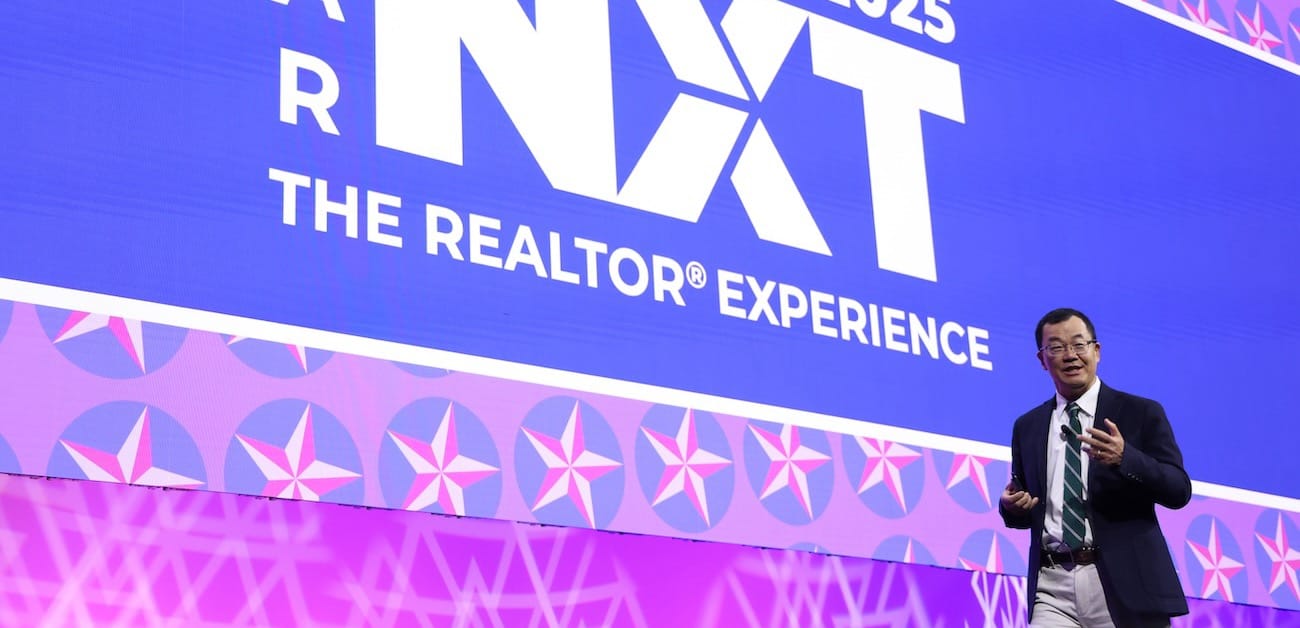
Nar conference speaker

A Forecast Worth Noting: 14% Sales Growth

NAR Chief Economist Lawrence Yun is calling for a notable 14% increase in nationwide home sales for 2026, signaling real movement after the flat conditions seen throughout 2025. New‑home sales are also projected to climb 5% next year. Importantly, Yun emphasizes that these gains are not expected to compromise home values—NAR forecasts a steady 4% price increase nationwide.

“You can finally measure the lift next year,” Yun explained at the NAR NXT Residential Economic Issues & Trends Forum, adding that job growth and persistent inventory shortages will continue to support home prices.

Momentum Is Already Here

Several early indicators are pointing toward a healthier market ahead. Mortgage applications have stayed consistently above last year’s levels—with a striking 31% year‑over‑year surge in recent weeks. Job gains remain steady, builders are adding supply, and markets have stabilized following the extended 43‑day government shutdown.

Mortgage Rates: Relief, Even If Only Slight

Rates remain a major hurdle for many buyers, but there’s progress. After entering the year near 7%, the 30‑year fixed now sits at 6.24%. Yun expects 2026 to average around 6%—not a dramatic drop, but enough to unlock pent‑up demand. While ultra‑low rates may not return soon, even modest shifts can reignite buyer momentum.

A Market Divided: The “Haves” and “Have‑Nots”

Today’s market is far from uniform. Higher‑priced homes—particularly those in the $750,000 to $1 million bracket—are moving quickly thanks to healthier inventory and confident buyers. Lower‑priced homes, however, remain scarce, fueling ongoing affordability concerns.

NAR Deputy Chief Economist Jessica Lautz outlined the widening divide between well‑positioned repeat buyers and first‑time buyers facing student loans, childcare costs, and rising rents. First‑time buyers now represent only 21% of the market—an all‑time low compared to their historic norm of 40%.

Pricing Reality: Reductions Are Back

As listings linger, sellers are rediscovering the importance of realistic pricing. MLS data shows predictable price‑reduction trends based on days on market:

  • 0–14 days: 4.9%
  • 15–30 days: 6.1%
  • 31–60 days: 7.3%
  • 61–90 days: 9%
  • 91–120 days: 10.6%
  • 120+ days: 13.8%

While some markets may experience temporary dips due to surging inventory, national pricing remains stable. NAR projects a 3% median price increase in 2025 and 4% in 2026.

The Bigger Picture: Fundamentals Remain Strong

Despite occasional concerns over rising foreclosures, the broader data remains encouraging: serious delinquencies are near historic lows, homeowners maintain strong equity, and job growth continues across major industries.

In short, the foundation is steady. With easing mortgage rates and rising applications, NAR believes 2026 could be a pivotal year for real estate professionals nationwide.

What This Means for Professionals—and Aspiring Agents

A rebounding market means opportunity. Whether you’re currently practicing or preparing to enter the field, staying ahead of these trends positions you for success. For aspiring real estate professionals, now is the ideal time to complete your education so you’re fully licensed by the time the surge hits.

If you’re working toward your real estate license—or branching into mortgage, insurance, or other professional fields—Cameron Academy’s flexible online programs help you stay competitive, knowledgeable, and career‑ready as the next market cycle begins.

Source: Explore NAR’s full 2026 outlook at https://www.nar.realtor.

More Articles

Getting licensed or staying ahead in your career can be a journey—but it doesn’t have to be overwhelming. Grab your favorite coffee or tea, take a moment to relax, and browse through our articles. Whether you’re just starting out or renewing your expertise, we’ve got tips, insights, and advice to keep you moving forward. Here’s to your success—one sip and one step at a time!

AI Is Reshaping Real Estate: The Tools, Upgrades, and Trends Every Agent Should Be Watching

Artificial intelligence is accelerating across the real estate industry, bringing new productivity platforms, smarter MLS systems, cleaner data tools, and AI‑powered consumer guidance. From United Real Estate’s BullseyeAI assistant to Zillow’s integration with Google NotebookLM and major MLS restructures, technology is rapidly reshaping how agents research properties, communicate with clients, and manage daily workflows. For future and current professionals, understanding these tools isn’t optional—it's becoming the new foundation for a competitive real estate career.

New Federal Rule Targets “Dirty Money” in U.S. Real Estate, Reshaping Compliance for Agents Nationwide

A sweeping Treasury Department rule has activated the first nationwide anti–money laundering requirements for residential real estate, forcing professionals involved in closings and settlements to report certain non‑financed property transfers. The move closes long‑standing loopholes that allowed criminals, corrupt officials, and foreign adversaries to hide illicit funds in U.S. housing. Backed by recent federal court decisions, the rule positions the U.S. as a global leader in financial transparency—and signals that commercial real estate may be next. For today’s real estate professionals, staying compliant is becoming just as essential as understanding the market itself.

United Real Estate Launches BullseyeAI, a Game‑Changing AI Suite Built to Supercharge Agent Productivity

United Real Estate has introduced BullseyeAI, a fully integrated AI platform designed to help agents cut overhead, automate daily tasks, and reclaim valuable time. Powered by a proprietary large‑language‑model system, BullseyeAI blends dashboards, navigation, voice commands, and automated assistants into one intelligent workspace. With AI agents like Sofie and Rosie managing client nurturing, recruiting workflows, marketing, data handling, and more, the platform marks a major leap toward faster, smarter productivity for real estate professionals.

Florida City Enforces New Driveway Parking Ban, Leaving Homeowners Facing Surprise Fines

Boynton Beach residents are reeling after a new city ordinance began issuing fines to homeowners for parking on their own property—unless the vehicle sits on an official driveway. The rule bans parking on grass or unpaved areas, shocking families who’ve parked the same way for years. With fines starting at 25 dollars per car and rising if unpaid, many residents say the sudden crackdown is unfair and financially burdensome, sparking a heated debate over property rights and local government authority.

AI and MLS Upgrades Are Reshaping Real Estate Faster Than Ever

From AI assistants like United’s BullseyeAI to MLS upgrades rolling out across the country, real estate professionals are entering a new tech‑driven era. This week’s highlights include smarter productivity tools, unified MLS systems, enhanced data access, and even AI‑powered buyer education through Zillow’s new NotebookLM partnership. Whether you’re a seasoned broker or preparing for your license exam, these innovations show how rapidly the industry is evolving—and why staying informed is becoming essential for success.

AI Is Rewriting the Rules of Real Estate Data—And MLSs Are Scrambling to Keep Up

Artificial intelligence is rapidly moving from a helpful tool to a central force inside real estate transactions, MLS systems, and agent workflows. As AI reshapes everything from listing photos to data distribution, MLSs, regulators, and brokerages are racing to set clear rules that protect consumers and reduce legal risks. With new laws, updated agreements, and rising debates over who should regulate AI, the industry is confronting a defining moment—one that every current and future real estate professional must understand.