Is a Real Estate Rebound on the Horizon? The 3X ETF Making Waves With Bold Investors
After several years of sluggish performance, the commercial real estate sector may finally be gearing up for a shift. With the Federal Reserve initiating interest rate cuts and signaling more reductions could be on the way, investors across the country are watching the market with renewed curiosity. Falling rates typically breathe life back into commercial properties, revitalizing cash flow and lifting valuations.
And for those who want to supercharge their exposure to a potential rebound, one particular ETF is catching attention for its high‑risk, high‑reward structure.
The 3X REIT Play: Amplifying the Upside
Real estate investment trusts (REITs) are traditionally sensitive to interest rate movements. As borrowing costs fall, REITs often rise—making them a natural beneficiary of a shifting rate environment. But investors seeking amplified returns might look to the Direxion Real Estate Bull 3X ETF (DRN), which uses leverage to deliver 300% of the daily return of the Real Estate Select Sector Index.
Quick Look: DRN
• Tracks major commercial REITs such as Welltower and Prologis
• Uses leverage to multiply daily performance
• Designed for short‑term trading, not long‑term holding
Leverage can magnify gains during a rally—triple them, in fact. But it also magnifies losses, making DRN a tool best suited for experienced traders who understand volatility and who have a clear thesis about near‑term market movements.
Why Now? A Market Set for Movement
With the Fed steering toward lower rates, the pressure that weighed heavily on commercial real estate may begin to ease. Cheaper borrowing costs improve cash flows, boost valuations, and make REITs more attractive compared to traditional fixed‑income products.
Even in recent months, DRN has displayed the power of leverage, generating double the return of its benchmark over a 90‑day window. While past performance never guarantees future results, it demonstrates how quickly leveraged ETFs can respond to market momentum.
The High‑Risk, High‑Reward Reality
It’s crucial for professionals—especially those working in real estate, finance, or investment—to remember that leveraged ETFs are strategic tools, not passive investments. They are designed for short, targeted bursts of exposure. The right catalyst can spark impressive gains… but the wrong one can just as quickly create steep losses.
Investor Tip: If you’re trading a leveraged ETF like DRN, set clear exit points and monitor daily moves. Leverage resets every day, so long‑term holding can lead to unexpected results.
Why This Matters for Today’s Professionals
Understanding tools like DRN helps real estate professionals, investors, and financial advisors stay ahead of market cycles. As the industry anticipates a potential commercial rebound, individuals with strong market literacy stand out—which is where continued professional education becomes a real advantage.
If you’re building or expanding your real estate or financial career, Cameron Academy offers modern, flexible licensing and continuing‑education options trusted across the United States. Staying informed isn’t just good practice—it’s a competitive edge.
For deeper market analysis and the original breakdown of DRN’s mechanics, explore the full article from The Motley Fool, a respected leader in financial insights.
More Articles
Getting licensed or staying ahead in your career can be a journey—but it doesn’t have to be overwhelming. Grab your favorite coffee or tea, take a moment to relax, and browse through our articles. Whether you’re just starting out or renewing your expertise, we’ve got tips, insights, and advice to keep you moving forward. Here’s to your success—one sip and one step at a time!
Just 48 hours after NAR unveiled major revisions to its MLS policies, plaintiffs in the Michigan-based Hardy lawsuit moved to use those changes as evidence, arguing they prove NAR’s prior rules were anticompetitive. NAR denies any wrongdoing, but the case is quickly becoming a key test for whether MLS access should require Realtor membership — a question now echoing across multiple states and potentially reshaping how real estate professionals nationwide access the industry’s most essential tool.
Florida homeowners are now paying some of the highest insurance premiums in the country, with average costs topping $5,800 per year—nearly double the national average. Residents report skyrocketing rates, denied claims, and tough choices between costly coverage and financial risk. As frustration grows, lawmakers and consumer advocates are pushing new reforms aimed at increasing transparency, capping rate hikes, and protecting policyholders in one of the nation’s most volatile insurance markets.
Economic uncertainty, rapid AI adoption, tighter capital flows, and rising portfolio risk are reshaping the 2026 commercial real estate landscape. From shifting workforce patterns to a national housing attainability crisis, the industry is entering a data‑driven, fundamentals‑focused era—making adaptability, education, and tech literacy essential for real estate professionals.
Mortgage rates have climbed to 6.23 percent as investors grow doubtful that the Federal Reserve will deliver a rate cut in December. A soft but unclear jobs report and persistent inflation have pushed borrowing costs higher, reversing October’s brief relief in the housing market. Real estate and mortgage professionals should prepare clients for continued volatility as the Fed’s December meeting approaches.
After years of tight inventory, high mortgage rates, and sluggish sales, economists say 2026 is shaping up to be the turnaround real estate professionals have been waiting for. NAR projects a 14 percent jump in home sales, mortgage rates easing toward 6 percent, and buyer demand finally gaining momentum. While higher‑end homes are moving quickly, first‑time buyers continue to face affordability challenges, and price reductions are reappearing as sellers adjust to shifting conditions. For Florida agents, brokers, and newcomers, the stage is being set for a busy and opportunity‑rich year.
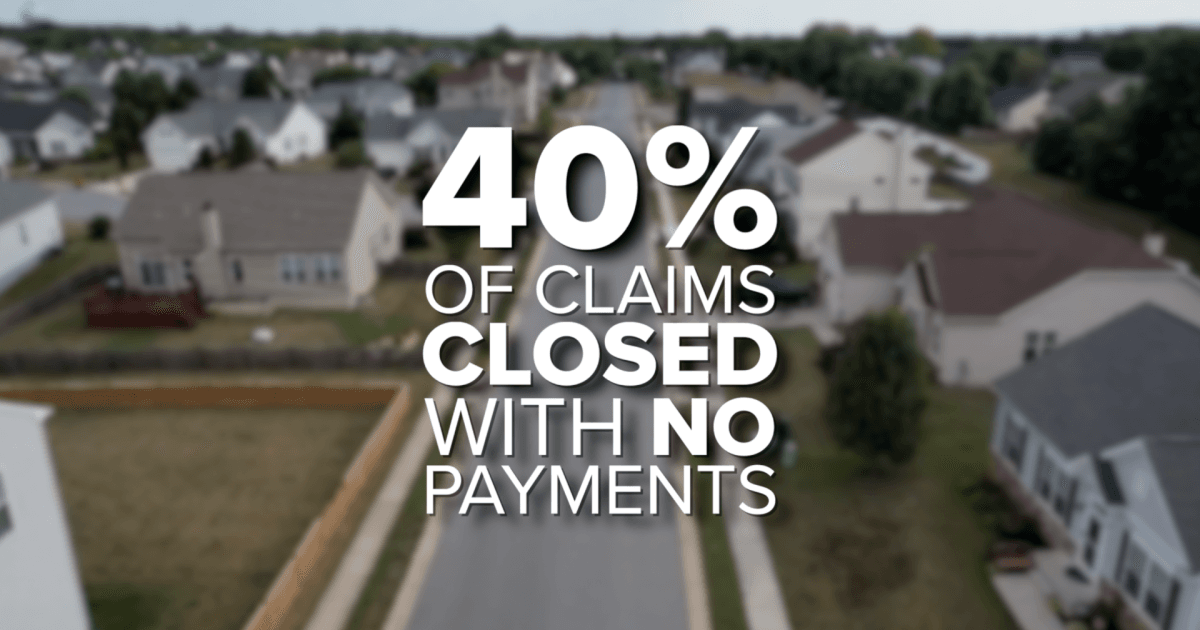
Florida’s average homeowner insurance premium has soared to $5,838 a year—almost $3,000 above the national average—pushing many residents to the financial brink. From tripled premiums to lowball claim payouts, homeowners are speaking out as frustration mounts. Some are even dropping coverage entirely. With more than 40% of claims closed without payment and policy cancellations at record levels, lawmakers are pushing for reforms, but political hurdles remain. The outcome could reshape Florida real estate, insurance, and mortgage markets for years to come.