Is AI Really Taking Over Finance Jobs? Wall Street’s Layoffs May Be More Smoke Than Fire
Artificial intelligence may be the headline-stealing villain of the finance world, but according to industry experts interviewed by
Fortune,
the panic swirling around AI-driven layoffs is mostly hype—at least for now.
Even as major players like JPMorgan, Goldman Sachs, and Morgan Stanley tighten their headcounts, economists argue that these cuts have more to do with
post-pandemic overhiring and economic uncertainty than robots replacing bankers.
Tap to reflect:
Is AI becoming the convenient scapegoat for deeper economic issues in the financial sector?
The AI Panic: What’s Real and What’s Just Noise?
In a widely discussed shareholder letter, JPMorgan CEO Jamie Dimon warned that AI may reshape the workforce as profoundly as electricity or the internet.
The financial world took notice—but experts say the fears of AI dominating all banking jobs are premature.
NYU Stern’s Robert Seamans suggests companies often cite AI to avoid admitting missteps in hiring strategy or acknowledging broader economic pressures such as tariffs or weakening consumer demand.
Banks continue investing billions into AI tools like the analyst-speeding “Socrates.”
And yes—Citigroup’s research shows that over half of financial jobs have high automation potential.
But despite that, real-world layoffs directly tied to AI are still limited.
Hiring Freezes, Not Mass Firings
Current data shows that overall staffing in major banks is holding steady.
Bank of America maintains nearly identical employee numbers to last year. JPMorgan even added more than 2,000 workers.
Goldman Sachs, despite layoffs, still increased staff year over year.
Instead of eliminating roles outright, banks appear to be using AI to slow hiring for as long as possible.
Experts predict this reduced hiring pace may continue for the next two years as banks ride a wave of AI-driven productivity.
Did you know?
Some banks use AI efficiencies to avoid hiring hundreds of additional employees—not to replace current workers.
MBA Graduates Still Winning… But Less Easily
Top MBA graduates from Columbia, NYU Stern, Wharton, Duke, and others still land jobs at impressive rates—often above 85%.
But beneath that success lies a more sobering trend: placements at elite business schools have declined meaningfully since 2021.
At Harvard, the percentage of graduates with no job offer after three months rose from 4% to 15% in just three years.
MIT saw similar spikes. Even prestigious programs feel the tightening market.
Which Finance Jobs Are Safe—and Which Are on the Edge?
Surprisingly, junior analysts may not be the first AI casualties.
Consulting and banking roles involve high-stakes decisions with zero margin for error—tasks AI still struggles to replicate.
Every acquisition, negotiation, or audit is unique, leaving room for human judgment.
Tech roles in finance, however, are booming. Nearly 76% of banks expect to expand tech hiring due to AI.
But some professions remain vulnerable. Accounting and marketing roles may face notable turbulence, as AI excels at routine verification, data processing, and content generation.
What This Means for Professionals Across All Industries
AI isn’t replacing everyone—but it is reshaping career paths.
Professionals in finance, real estate, insurance, healthcare, and beyond will increasingly rely on continuous learning to stay competitive.
This is why forward-focused institutions like Cameron Academy continue expanding licensing and professional development opportunities across all 50 states—helping driven individuals stay market-ready.
Whether you’re entering a new field or strengthening your current trajectory, upskilling remains your strongest advantage in the age of accelerating AI.
Explore Career Growth:
Looking to future-proof your career? Training leaders like Cameron Academy offer flexible licensing and professional skill‑building programs to help you stay one step ahead.
More Articles
Getting licensed or staying ahead in your career can be a journey—but it doesn’t have to be overwhelming. Grab your favorite coffee or tea, take a moment to relax, and browse through our articles. Whether you’re just starting out or renewing your expertise, we’ve got tips, insights, and advice to keep you moving forward. Here’s to your success—one sip and one step at a time!
Just 48 hours after NAR unveiled major revisions to its MLS policies, plaintiffs in the Michigan-based Hardy lawsuit moved to use those changes as evidence, arguing they prove NAR’s prior rules were anticompetitive. NAR denies any wrongdoing, but the case is quickly becoming a key test for whether MLS access should require Realtor membership — a question now echoing across multiple states and potentially reshaping how real estate professionals nationwide access the industry’s most essential tool.
Florida homeowners are now paying some of the highest insurance premiums in the country, with average costs topping $5,800 per year—nearly double the national average. Residents report skyrocketing rates, denied claims, and tough choices between costly coverage and financial risk. As frustration grows, lawmakers and consumer advocates are pushing new reforms aimed at increasing transparency, capping rate hikes, and protecting policyholders in one of the nation’s most volatile insurance markets.
Economic uncertainty, rapid AI adoption, tighter capital flows, and rising portfolio risk are reshaping the 2026 commercial real estate landscape. From shifting workforce patterns to a national housing attainability crisis, the industry is entering a data‑driven, fundamentals‑focused era—making adaptability, education, and tech literacy essential for real estate professionals.
Mortgage rates have climbed to 6.23 percent as investors grow doubtful that the Federal Reserve will deliver a rate cut in December. A soft but unclear jobs report and persistent inflation have pushed borrowing costs higher, reversing October’s brief relief in the housing market. Real estate and mortgage professionals should prepare clients for continued volatility as the Fed’s December meeting approaches.
After years of tight inventory, high mortgage rates, and sluggish sales, economists say 2026 is shaping up to be the turnaround real estate professionals have been waiting for. NAR projects a 14 percent jump in home sales, mortgage rates easing toward 6 percent, and buyer demand finally gaining momentum. While higher‑end homes are moving quickly, first‑time buyers continue to face affordability challenges, and price reductions are reappearing as sellers adjust to shifting conditions. For Florida agents, brokers, and newcomers, the stage is being set for a busy and opportunity‑rich year.
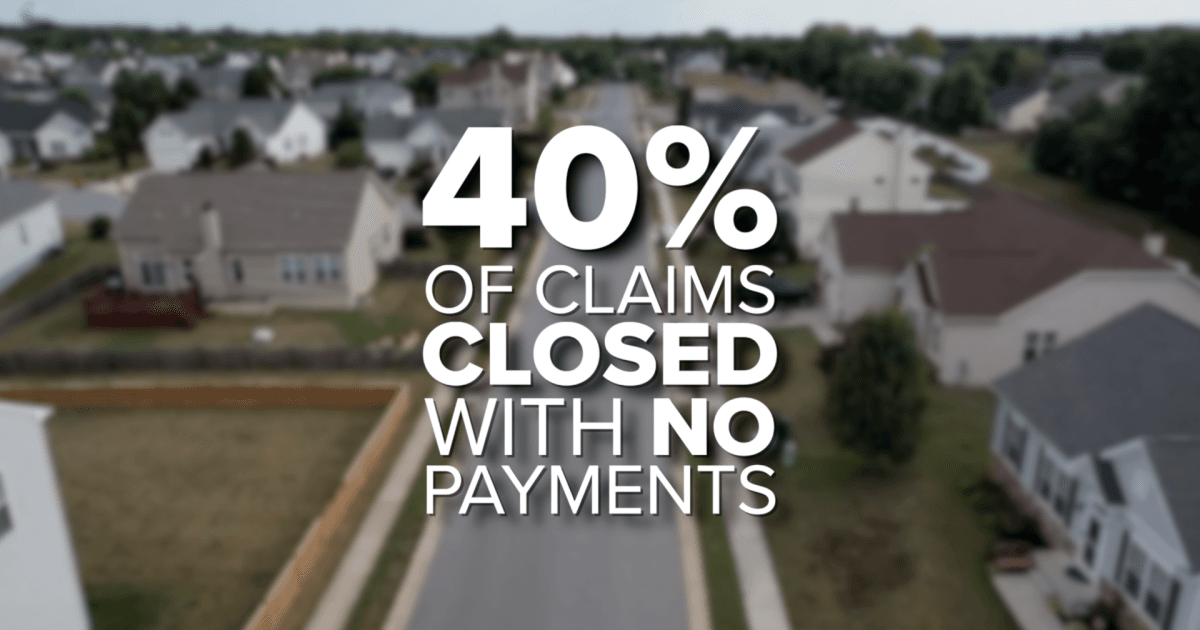
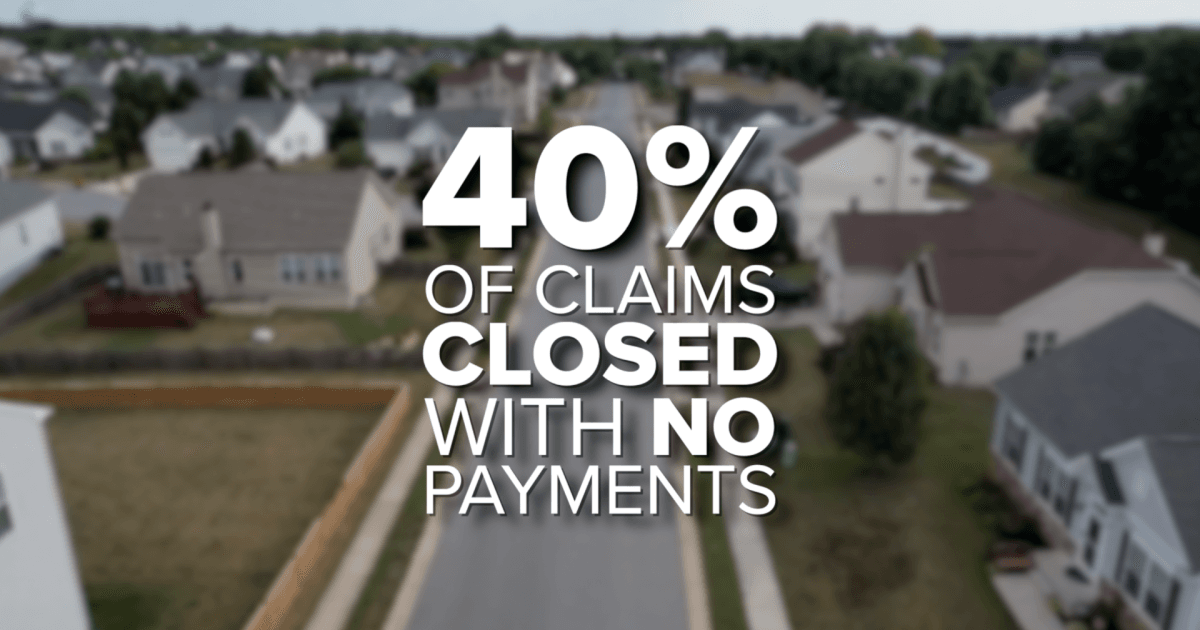
Florida’s average homeowner insurance premium has soared to $5,838 a year—almost $3,000 above the national average—pushing many residents to the financial brink. From tripled premiums to lowball claim payouts, homeowners are speaking out as frustration mounts. Some are even dropping coverage entirely. With more than 40% of claims closed without payment and policy cancellations at record levels, lawmakers are pushing for reforms, but political hurdles remain. The outcome could reshape Florida real estate, insurance, and mortgage markets for years to come.