Is AI Really Taking Over Finance Jobs? Wall Street’s Layoffs May Be More Smoke Than Fire
Artificial intelligence may be the headline-stealing villain of the finance world, but according to industry experts interviewed by
Fortune,
the panic swirling around AI-driven layoffs is mostly hype—at least for now.
Even as major players like JPMorgan, Goldman Sachs, and Morgan Stanley tighten their headcounts, economists argue that these cuts have more to do with
post-pandemic overhiring and economic uncertainty than robots replacing bankers.
Tap to reflect:
Is AI becoming the convenient scapegoat for deeper economic issues in the financial sector?
The AI Panic: What’s Real and What’s Just Noise?
In a widely discussed shareholder letter, JPMorgan CEO Jamie Dimon warned that AI may reshape the workforce as profoundly as electricity or the internet.
The financial world took notice—but experts say the fears of AI dominating all banking jobs are premature.
NYU Stern’s Robert Seamans suggests companies often cite AI to avoid admitting missteps in hiring strategy or acknowledging broader economic pressures such as tariffs or weakening consumer demand.
Banks continue investing billions into AI tools like the analyst-speeding “Socrates.”
And yes—Citigroup’s research shows that over half of financial jobs have high automation potential.
But despite that, real-world layoffs directly tied to AI are still limited.
Hiring Freezes, Not Mass Firings
Current data shows that overall staffing in major banks is holding steady.
Bank of America maintains nearly identical employee numbers to last year. JPMorgan even added more than 2,000 workers.
Goldman Sachs, despite layoffs, still increased staff year over year.
Instead of eliminating roles outright, banks appear to be using AI to slow hiring for as long as possible.
Experts predict this reduced hiring pace may continue for the next two years as banks ride a wave of AI-driven productivity.
Did you know?
Some banks use AI efficiencies to avoid hiring hundreds of additional employees—not to replace current workers.
MBA Graduates Still Winning… But Less Easily
Top MBA graduates from Columbia, NYU Stern, Wharton, Duke, and others still land jobs at impressive rates—often above 85%.
But beneath that success lies a more sobering trend: placements at elite business schools have declined meaningfully since 2021.
At Harvard, the percentage of graduates with no job offer after three months rose from 4% to 15% in just three years.
MIT saw similar spikes. Even prestigious programs feel the tightening market.
Which Finance Jobs Are Safe—and Which Are on the Edge?
Surprisingly, junior analysts may not be the first AI casualties.
Consulting and banking roles involve high-stakes decisions with zero margin for error—tasks AI still struggles to replicate.
Every acquisition, negotiation, or audit is unique, leaving room for human judgment.
Tech roles in finance, however, are booming. Nearly 76% of banks expect to expand tech hiring due to AI.
But some professions remain vulnerable. Accounting and marketing roles may face notable turbulence, as AI excels at routine verification, data processing, and content generation.
What This Means for Professionals Across All Industries
AI isn’t replacing everyone—but it is reshaping career paths.
Professionals in finance, real estate, insurance, healthcare, and beyond will increasingly rely on continuous learning to stay competitive.
This is why forward-focused institutions like Cameron Academy continue expanding licensing and professional development opportunities across all 50 states—helping driven individuals stay market-ready.
Whether you’re entering a new field or strengthening your current trajectory, upskilling remains your strongest advantage in the age of accelerating AI.
Explore Career Growth:
Looking to future-proof your career? Training leaders like Cameron Academy offer flexible licensing and professional skill‑building programs to help you stay one step ahead.
More Articles
Getting licensed or staying ahead in your career can be a journey—but it doesn’t have to be overwhelming. Grab your favorite coffee or tea, take a moment to relax, and browse through our articles. Whether you’re just starting out or renewing your expertise, we’ve got tips, insights, and advice to keep you moving forward. Here’s to your success—one sip and one step at a time!
Skyrocketing insurance premiums and soaring rebuilding costs are transforming communities across Southwest Florida, especially in the wake of Hurricane Ian. As longtime residents struggle to keep up with rising financial pressure, wealthier newcomers and stricter building standards are reshaping the identity of places like Fort Myers Beach. With insurance rates now driving home sales, triggering potential foreclosures, and squeezing both owners and renters, Florida’s middle-class families face a growing question: can they afford to stay in the state they love?
Florida’s insurance industry is stabilizing fast, with nearly 1.6 million policies shifting from Citizens to private insurers and litigation dropping sharply. Regulators report stronger market confidence, decreasing premiums, and renewed competition—signaling one of the healthiest periods the state has seen in years.
A Leon County judge has ordered the restart of arbitration for Citizens Property Insurance claims, directly conflicting with a previous ruling that halted the process as potentially unconstitutional. With more than 400 cases now back in motion, real estate, insurance, and mortgage professionals can expect renewed activity in claim disputes and fresh uncertainty as Florida courts clash over the legality of Citizens’ arbitration system.
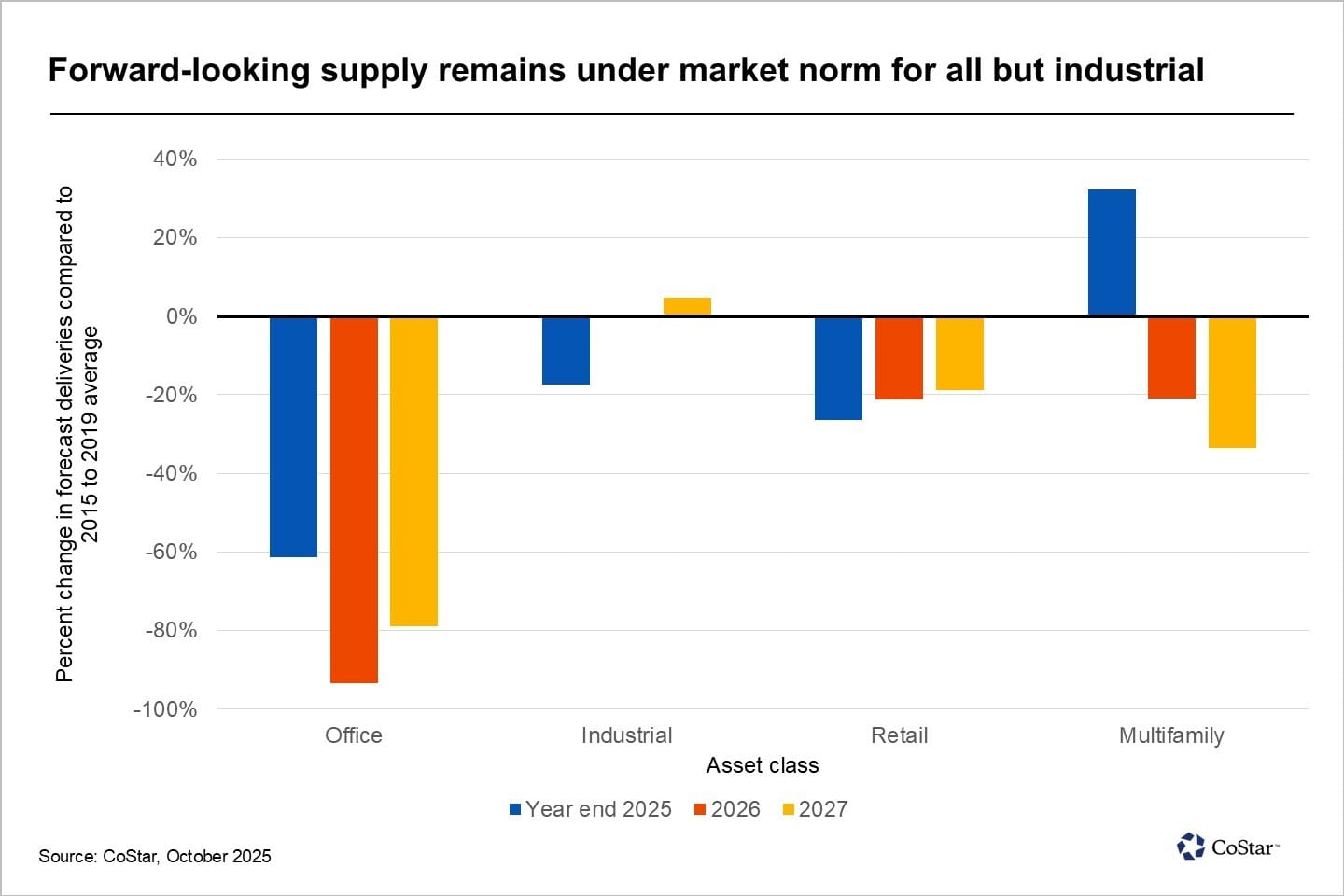
The DFW market is transitioning into a new construction phase marked by a slowdown in office development, a more selective approach to industrial projects, and an evolving housing landscape shaped by affordability and population growth. Developers are recalibrating their priorities, and for real estate professionals, understanding these shifts offers a critical edge in navigating—and capitalizing on—the next phase of the metroplex’s growth.
A new federal lawsuit claims Zillow pushed homebuyers toward Zillow Home Loans by rewarding affiliated agents with valuable leads — all without proper disclosure. The suit alleges undisclosed incentives, referral quotas, and potential RESPA violations, raising major concerns about steering, fiduciary duties, and Zillow’s expanding mortgage ambitions.
The mortgage industry is evolving fast, and the lenders who come out on top will be those who innovate without uprooting what already works. By building on strong technology foundations, streamlining workflows and adopting smart automation, lenders can reduce costs, improve customer experience and stay resilient in any market cycle. This article breaks down why innovation matters now, how a stable tech ecosystem protects lenders in volatile conditions and why small, strategic steps can drive long-term transformation.