Ever Wondered if Florida is Becoming Unaffordable? Let’s Dive Into the Real Estate Crisis that’s Shaking Up the Sunshine State
Alright, here’s the thing—Florida, home to sun, sand, and a ridiculous amount of gators, is also becoming infamous for something else: a massive real estate crisis. If you were dreaming of your feet in the sand and maybe considering moving (or continuing to live) in the Sunshine State, well, buckle up because the stakes just got real. Like, rollercoaster after three cups of coffee real.
But hey, before you dash off to Zillow scrolling through homes in Alaska, let’s break down what’s happening in Florida’s housing market and why it’s becoming a significant turning point—possibly the largest in recent decades.
The Perfect Storm of Havoc – What’s Going On?
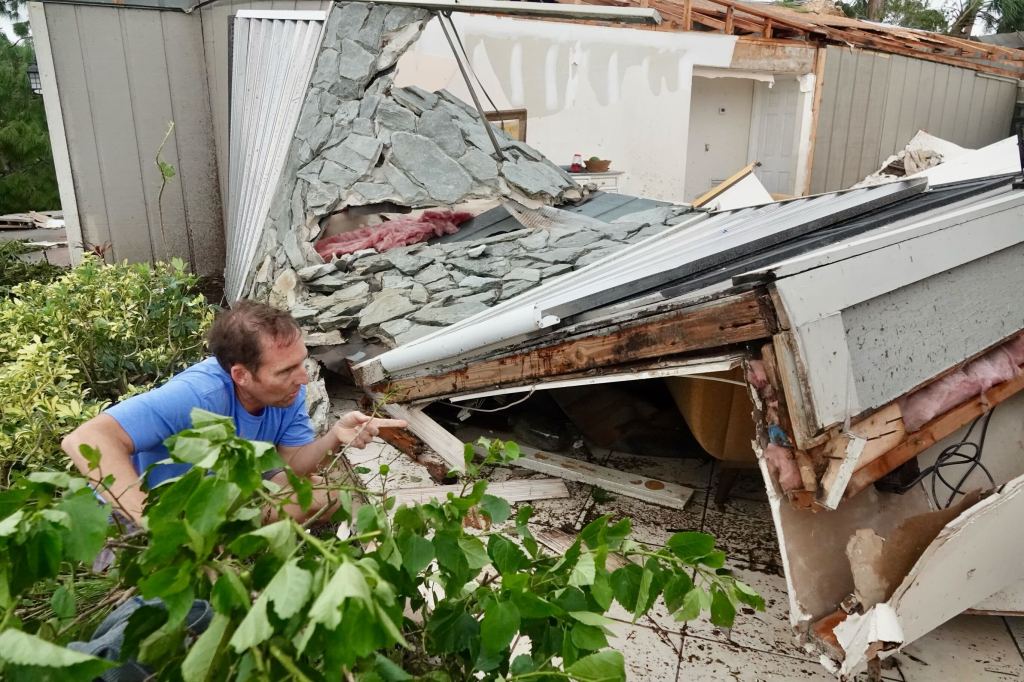
So, imagine you’re a homeowner in Florida (or want to be one)—cool breeze, coastal views, the works. Then you wake up one day to find out that your property insurance has ballooned up by 300%. Yep, you read that correctly. If this isn’t bad enough, FEMA comes along with what’s now known as the “50% Rule.” Essentially, if your home is damaged and repair costs exceed half of your home’s value, you’re stuck upgrading it to meet current flood codes or you’re booted out. Oh, and by the way, those upgrades (like elevating your house 9 feet) could easily cost between $150,000 to $400,000. Gulp.
It’s like buying a beach house only to have someone hand you a bill for rebuilding the world’s most expensive treehouse. Spoiler alert: the insurance company isn’t picking up the tab for elevation; they’re just covering the damage. So now, are you starting to see why coastal Floridians are giving their homes serious side-eye?
Here’s the kicker. If you’re in one of those “flood-prone” mobile home communities and your trailer survives a minor flood but your entire park is condemned, guess what? You’re out. Goodbye home, hello doom scroll for new housing. It’s happening across cities like Bradenton Beach, Fort Myers, and all along the Panhandle. Not exactly the vacation vibe you were hoping for, right?
The Insurance Meltdown: Where Everyone Loses?
Here’s the part where I get to say, “You thought it couldn’t get worse, but wait…” Grab some popcorn, because Florida’s home insurance numbers are about to blow your mind. Home insurance premiums in Florida have soared up to $4,231 a year—almost three times the national average. And those sweet, sweet coastal views? Wind insurance has leaped 150% since 2021. (Yeah, a small fortune just to keep the breeze from your front yard from blowing your roof away.)
Flood insurance premiums have also gone off the rails thanks to FEMA’s new Risk Rating 2.0 program, which has driven up rates by 500% for high-risk areas. Translation: If you own a $300,000 home, your combined annual insurance in coastal areas could hit over $112,000 by 2025. I’m not making this up—someone actually ran those numbers, and they’re terrifying. To put this in perspective, that’s 20% of the average homeowner’s mortgage. So, not like a latte at Starbucks—more like buying the entire Starbucks franchise, annually.
Hedge Funds Swooping In: A Sneaky Land Grab?
Oh, but it doesn’t stop there. You’ve heard of hedge funds, right? They’re not just sticking to stocks anymore—they’re buying up beachfront properties in Florida like it’s a clearance sale. After every hurricane, these corporations swoop in, grab distressed properties at rock-bottom prices, and then build luxury condos that your average Floridian can’t even dream of affording.
In places like Fort Myers Beach, investment firms have snagged over 200 properties since Hurricane Ian. Two hundred! In Pensacola alone, one hedge fund now owns 12% of all beachfront properties. It’s like real-life Monopoly, but instead of you collecting $200 when you pass “Go,” they’re collecting properties left and right, turning entire neighborhoods into high-end resorts. So, yeah, even the Monopoly guy would raise an eyebrow at this.
So, Is Moving to Florida a Nightmare? (Maybe, Depends on How Much You Love Sand)
Okay, let’s be fair—Florida’s a mixed bag. Sure, the dreamy lifestyle of beach days and sunshine is as appealing as ever, but the financials? Yikes. I won’t say Florida’s completely “unlivable,” but it’s becoming suspiciously hard to afford unless you’re rolling in stacks of cash higher than a Category 5 hurricane wind gust. For middle-class homeowners, the crunch of rising insurance premiums, strict regulations, and developers outbidding everyone is making life down South real tricky.
So, what’s the play? Are you doomed if you’re considering Florida? Not necessarily—but you’ll need to be ridiculously well-informed and prepared for what’s coming. Here are some things you should think about before you hit “submit” on that Zillow offer:
- Location Matters—Like Really, REALLY Matters: Look for properties that are high enough in elevation to minimize risk. You don’t want to be the guy left holding a flooding property while all your tall land neighbors are sipping cocktails in peace.
- Insurance and Repairs Will Be Your New Hobby: Get ready to shop for—and pay—a lot for insurance. Multiple vendors, detailed policies, the works. Also, ensure your home is fortified to withstand the inevitable Cat 5 hurricanes. You know, your everyday stuff.
- Regulation Whiplash: FEMA’s rules and local building codes can change frequently, often NOT in favor of the homeowner. Keep an eye on them because you’ll need to be as agile as an ice skater in a snowstorm.
What Does This Mean for You?
It’s a wild ride, this Florida real estate game. Some homeowners are prospering by adapting, while others are losing properties or walking away entirely. Florida is set to change more dramatically in the next five years than it has in recent decades, and whether you want to simply live under its sunshine or invest in its growing complexity, knowing the rules of the new game is critical.
So, what do you think? Are you ready to put up with hurricanes, hedge funds, and insurance chaos for some sandy toes? Or are you spooked by the risks?
Let me know in the comments below! Your thoughts, stories, or dreams of beachfront property are always welcomed, whether you’re for the Gulf Coast life or retreating fast to higher, less windy grounds.
—
Hey, just before you go, think you’re ready for more crazy info like this? Hit that subscribe button and follow along for all things chaotic, real estate, and everything in between.