Is It a Good Time To Buy a House in 2026? Here Is What the Market Is Really Telling Us
The housing market loves to keep everyone guessing, but here is the encouraging truth: the right time to buy a home is rarely defined by a headline. It is shaped by your finances, your stage of life, and your long-term goals. Still, 2026 is already bringing intriguing shifts, and if you are planning to buy or guiding clients as a real estate professional, these trends matter.
We pulled insights from NerdWallet’s latest report to break down what is happening right now and what it means for buyers. Whether you are entering the market for the first time or preparing to advise clients as a future real estate agent through Cameron Academy, understanding these dynamics can help you navigate 2026 with clarity and confidence.
How Is the Housing Market Right Now?
Home sales opened 2026 on a slow note, partly due to a harsh January cold snap that froze activity across much of the country. But there is a silver lining: mortgage rates are nearly a full percentage point lower than last year, which increases buyer purchasing power.
What to expect next: More listings typically hit the market in February, with peak season arriving in April. Buyers who act early may discover better deals and lighter competition.
Buyer prep tip: NerdWallet recommends securing a 45 to 60 day mortgage preapproval so your rate remains protected during the spring rush.
Weekly Average Mortgage Rates
Rates nudged upward slightly this week:
30-year fixed mortgage: 5.91 percent APR
15-year fixed mortgage: 5.38 percent APR
5-year adjustable: 6.3 percent APR
These averages come from Zillow for the week ending March 5, 2026.
Nerdy Tip: Every lender sets their own rates. Shopping around matters, and even a small difference can save you thousands over the loan’s lifetime.
How Mortgage Rates Affect Affordability
Even minor rate changes can reshape a buyer’s monthly budget. For example, on a 350,000 dollar home with 20 percent down, monthly payments rise from 1,503 dollars at 5 percent interest to 1,958 dollars at 7.5 percent.
For real estate students and future agents, mastering this math is essential. At Cameron Academy, we emphasize real-world financial understanding so our students can guide clients with confidence and precision.
Inflation, the Economy, and Buyer Confidence
Economic news can easily shake buyer confidence. Higher grocery prices, job market uncertainty, and inflation all play a role. The Federal Reserve held its federal funds rate steady in January, and the next decision arrives in mid-March.
If your financial situation feels unstable, waiting might be the wiser move.
If your income is strong and your budget works, do not let negative headlines derail your progress.
Are We in a Buyer or Seller Market?
Right Now: A Moderately Seller-Friendly Market
The market leans seller-friendly, but buyers have more leverage than they have had in recent years. Here is what we are seeing:
Inventory is slowly rising.
Competition is easing.
Sellers are more open to below-asking offers.
Contract negotiation power is increasing for buyers.
Inventory Trends
January 2026 recorded a 3.7-month supply of homes. This is higher than both last month and last year. Winter inventory dips are normal, but motivated sellers during slower months often create unique opportunities for buyers.
Home Prices: Still Rising, but Slower
Home prices continue to rise nationally, though at a gentler pace. January’s median existing-home price was 396,800 dollars, up 0.9 percent year over year.
By region:
Midwest: 295,400 dollars, up 2.3 percent
Northeast: 505,400 dollars, up 5.8 percent
South: 351,200 dollars, up 0.1 percent
West: 600,400 dollars, down 1.4 percent
Nerdy Tip: Buying a home can be a major financial lift upfront, but long-term wealth-building potential often outweighs the early costs. NerdWallet’s rent vs buy calculator is a solid resource for comparing outcomes over time.
Competition Is Easing, but Still Active
Data from the January 2026 Realtors Confidence Index shows signs of progress toward a more balanced market:
Average offers per home: 2.2 (down from 2.6 a year earlier)
16 percent of homes sold above list price
Median days on market: 46
Demand still outpaces supply, so desirable homes continue to sell quickly.
Should You Buy Now or Wait?
The best answer depends on your readiness. It may be time to buy if you have:
Steady income
Low debt
A strong credit score (740+ recommended)
A plan to remain in the home for several years
The Bottom Line
If your finances are in order, 2026 can be a great time to buy a home. Instead of trying to predict every market shift, focus on what you can control: your budget, your goals, and your preparedness.
And if you want to deepen your understanding of market forces or launch a new career helping others navigate homebuying, Cameron Academy offers licensing education built for modern real estate professionals. Whether you are entering the Florida market or exploring licensing in other states, our curriculum is designed to prepare you for real-world success.
Source insights courtesy of NerdWallet. For the full original article, visit NerdWallet’s housing market coverage online.
More Articles
Getting licensed or staying ahead in your career can be a journey—but it doesn’t have to be overwhelming. Grab your favorite coffee or tea, take a moment to relax, and browse through our articles. Whether you’re just starting out or renewing your expertise, we’ve got tips, insights, and advice to keep you moving forward. Here’s to your success—one sip and one step at a time!
A growing share of American homeowners now carry mortgage rates above 5%—a dramatic shift that’s reshaping refinancing, inventory, and buyer behavior nationwide. With more than 30% of borrowers locked into rates over 5% and 20% above 6%, the market is split between owners holding on to low pandemic‑era loans and new buyers taking on higher‑rate mortgages. Federal efforts to push rates down could unlock millions of refinancing opportunities, while buyers see only modest monthly savings. For real estate professionals, understanding these rate dynamics is crucial as they increasingly drive inventory levels, affordability, and market activity.
New Moody’s data shows commercial real estate deal volume slipped 20% in December, marking a second monthly decline. Yet the full year tells a different story: 2025 ended with a 17% gain, signaling a quiet but resilient recovery. The biggest surprise came from the office sector, which posted a 21% jump in activity as return‑to‑office trends and AI‑driven job growth boosted demand. Multifamily, retail, and alternative assets like data centers also saw strong momentum, giving real estate professionals a market full of fresh opportunities heading into 2026.
Florida drivers and industry professionals are heading into 2026 with good news: auto insurance rates are dropping across the state as the market shows strong signs of stabilization. USAA leads the latest wave with a 7% average rate decrease expected in May 2026, saving members more than $125 million annually. They join several major insurers — including State Farm, Progressive, AAA, Allstate, and Florida Farm Bureau — all approving significant reductions. Officials credit recent legislative reforms, especially tort reform, for the improved loss ratios and renewed insurer confidence. With both auto and home insurance markets strengthening, Florida’s real estate, mortgage, and insurance professionals can expect more consumer confidence, smoother transactions, and expanding career opportunities.
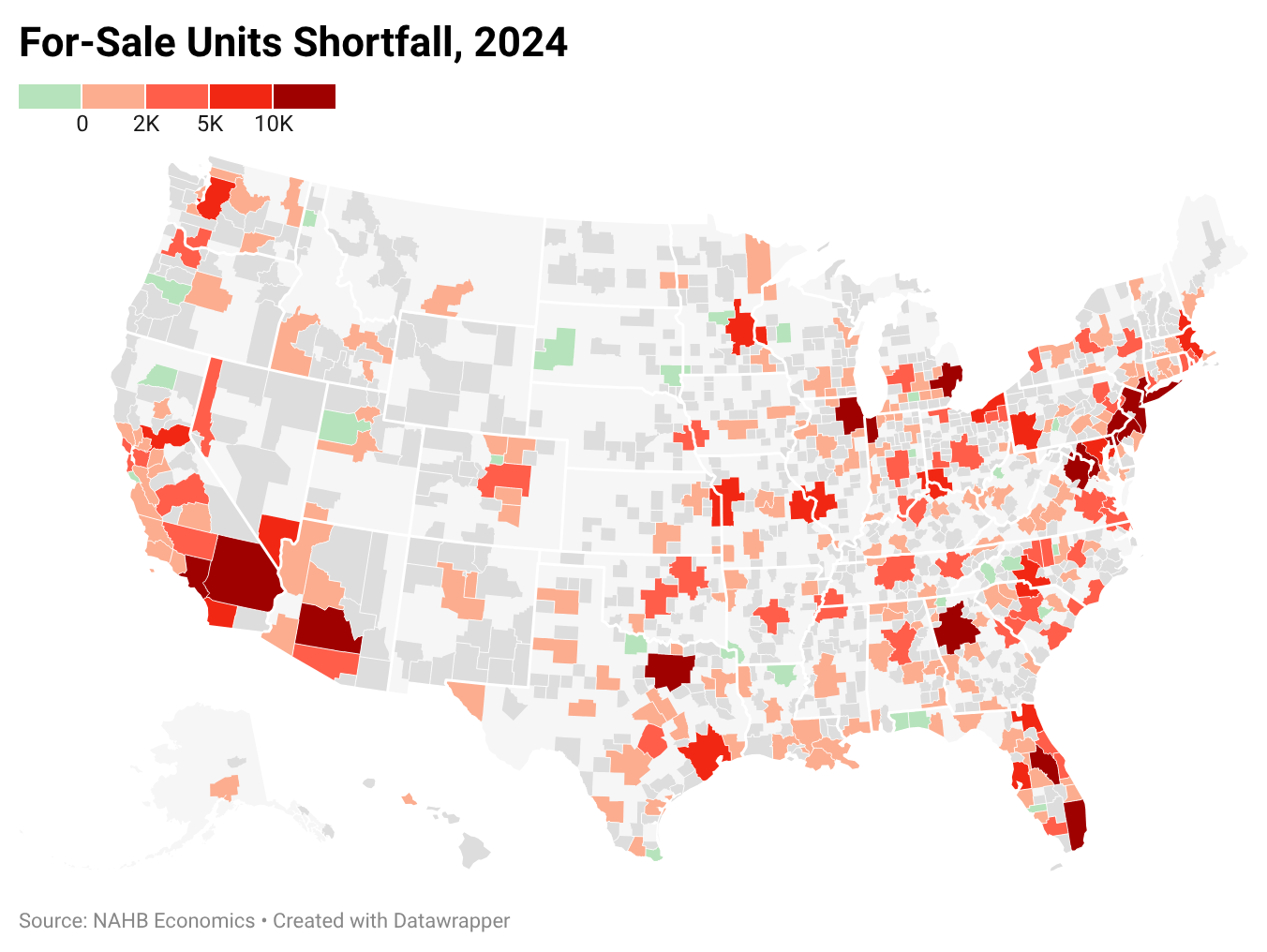
New data from Eye On Housing and the NAHB shows the U.S. remains short more than 1.2 million housing units, keeping pressure on both rents and home prices. Record‑low vacancy rates, slow single‑family construction, and restrictive zoning continue to fuel intense competition in 2024. Major metros like Chicago, New York, and Atlanta face some of the deepest deficits, and the true nationwide shortfall may be even higher when accounting for overcrowding and aging homes. For real estate professionals, the ongoing shortage means sustained demand, tighter inventory, and major opportunities for those who understand the evolving market.
Top real estate coach Jason Pantana says the divide between agents today isn’t about who has “tried” AI — it’s about who is immersed in it. In a new HousingWire interview, he explains why AI isn’t a gimmick but a full business system that amplifies output, improves authenticity, and reshapes how clients search for agents. From prompt mastery to AI‑driven visibility on Google, Pantana reveals how agents who commit even 15 minutes a day to learning AI are already outperforming those who hesitate.
Dallas–Fort Worth’s commercial real estate market closed 2025 with a split personality. Industrial dominated with massive new deliveries and soaring leasing demand, retail held steady with some of the market’s strongest fundamentals in years, and office continued to falter under remote‑work pressures. High vacancies, weak absorption, and rising demand for top‑tier space show the sector’s ongoing reset. Meanwhile, industrial and retail strength position the Metroplex for another powerhouse year heading into 2026.