Is It a Good Time To Buy a House in 2026? Here Is What the Market Is Really Telling Us
The housing market loves to keep everyone guessing, but here is the encouraging truth: the right time to buy a home is rarely defined by a headline. It is shaped by your finances, your stage of life, and your long-term goals. Still, 2026 is already bringing intriguing shifts, and if you are planning to buy or guiding clients as a real estate professional, these trends matter.
We pulled insights from NerdWallet’s latest report to break down what is happening right now and what it means for buyers. Whether you are entering the market for the first time or preparing to advise clients as a future real estate agent through Cameron Academy, understanding these dynamics can help you navigate 2026 with clarity and confidence.
How Is the Housing Market Right Now?
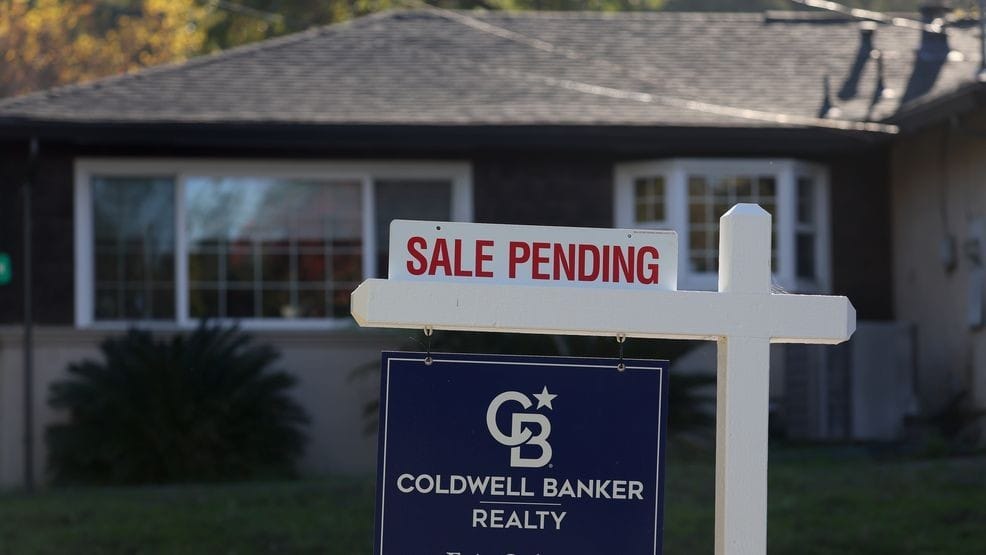
Home sales opened 2026 on a slow note, partly due to a harsh January cold snap that froze activity across much of the country. But there is a silver lining: mortgage rates are nearly a full percentage point lower than last year, which increases buyer purchasing power.
What to expect next: More listings typically hit the market in February, with peak season arriving in April. Buyers who act early may discover better deals and lighter competition.
Buyer prep tip: NerdWallet recommends securing a 45 to 60 day mortgage preapproval so your rate remains protected during the spring rush.
Weekly Average Mortgage Rates
Rates nudged upward slightly this week:
30-year fixed mortgage: 5.91 percent APR
15-year fixed mortgage: 5.38 percent APR
5-year adjustable: 6.3 percent APR
These averages come from Zillow for the week ending March 5, 2026.
Nerdy Tip: Every lender sets their own rates. Shopping around matters, and even a small difference can save you thousands over the loan’s lifetime.
How Mortgage Rates Affect Affordability
Even minor rate changes can reshape a buyer’s monthly budget. For example, on a 350,000 dollar home with 20 percent down, monthly payments rise from 1,503 dollars at 5 percent interest to 1,958 dollars at 7.5 percent.
For real estate students and future agents, mastering this math is essential. At Cameron Academy, we emphasize real-world financial understanding so our students can guide clients with confidence and precision.
Inflation, the Economy, and Buyer Confidence
Economic news can easily shake buyer confidence. Higher grocery prices, job market uncertainty, and inflation all play a role. The Federal Reserve held its federal funds rate steady in January, and the next decision arrives in mid-March.
If your financial situation feels unstable, waiting might be the wiser move.
If your income is strong and your budget works, do not let negative headlines derail your progress.
Are We in a Buyer or Seller Market?
Right Now: A Moderately Seller-Friendly Market
The market leans seller-friendly, but buyers have more leverage than they have had in recent years. Here is what we are seeing:
Inventory is slowly rising.
Competition is easing.
Sellers are more open to below-asking offers.
Contract negotiation power is increasing for buyers.
Inventory Trends
January 2026 recorded a 3.7-month supply of homes. This is higher than both last month and last year. Winter inventory dips are normal, but motivated sellers during slower months often create unique opportunities for buyers.
Home Prices: Still Rising, but Slower
Home prices continue to rise nationally, though at a gentler pace. January’s median existing-home price was 396,800 dollars, up 0.9 percent year over year.
By region:
Midwest: 295,400 dollars, up 2.3 percent
Northeast: 505,400 dollars, up 5.8 percent
South: 351,200 dollars, up 0.1 percent
West: 600,400 dollars, down 1.4 percent
Nerdy Tip: Buying a home can be a major financial lift upfront, but long-term wealth-building potential often outweighs the early costs. NerdWallet’s rent vs buy calculator is a solid resource for comparing outcomes over time.
Competition Is Easing, but Still Active
Data from the January 2026 Realtors Confidence Index shows signs of progress toward a more balanced market:
Average offers per home: 2.2 (down from 2.6 a year earlier)
16 percent of homes sold above list price
Median days on market: 46
Demand still outpaces supply, so desirable homes continue to sell quickly.
Should You Buy Now or Wait?
The best answer depends on your readiness. It may be time to buy if you have:
Steady income
Low debt
A strong credit score (740+ recommended)
A plan to remain in the home for several years
The Bottom Line
If your finances are in order, 2026 can be a great time to buy a home. Instead of trying to predict every market shift, focus on what you can control: your budget, your goals, and your preparedness.
And if you want to deepen your understanding of market forces or launch a new career helping others navigate homebuying, Cameron Academy offers licensing education built for modern real estate professionals. Whether you are entering the Florida market or exploring licensing in other states, our curriculum is designed to prepare you for real-world success.
Source insights courtesy of NerdWallet. For the full original article, visit NerdWallet’s housing market coverage online.
More Articles
Getting licensed or staying ahead in your career can be a journey—but it doesn’t have to be overwhelming. Grab your favorite coffee or tea, take a moment to relax, and browse through our articles. Whether you’re just starting out or renewing your expertise, we’ve got tips, insights, and advice to keep you moving forward. Here’s to your success—one sip and one step at a time!
Many Floridians are discovering after major hurricanes that what they assumed was covered by their insurance simply isn’t. With more than 100,000 claims denied or closed without payment and widespread confusion over gaps like flood versus hurricane coverage, experts warn that the fine print can hit harder than the storm itself. As premiums rise and policies grow more complex, understanding what’s actually protected has become essential for homeowners and real estate professionals alike.
A new report from Zillow shows the U.S. just experienced its strongest October housing market since 2021, with inventory rising, affordability improving, and both new listings and pending sales up 5% year-over-year. Nineteen major markets now favor buyers—nine more than last year—as mortgage rates ease, inventory rebounds, and home values level off. For real estate professionals, especially in Florida, these shifts signal a market gaining momentum heading into 2025 and beyond.
Commercial real estate is heading into 2026 with major shifts in policy, technology, investment flows, and market fundamentals. From tightening capital sources and AI-driven decision-making to nationwide housing shortages and a looming wave of maturing debt, professionals across real estate, finance, insurance, and development must adapt quickly. These trends will shape opportunities, risks, and required skills in the year ahead—making strategic education and licensing upgrades more important than ever.
A major cyberattack on real‑estate data giant SitusAMC has triggered emergency responses across Wall Street, exposing sensitive loan records and legal documents tied to major banks like JPMorgan and Citigroup. While operations have been restored, the breach highlights critical weaknesses in third‑party vendors that support the nation’s real‑estate and mortgage infrastructure. Federal investigators and financial institutions are now racing to assess the fallout as experts warn of long‑term risks to the digital systems underpinning multi‑trillion‑dollar lending markets.
Australia’s commercial real estate sector is undergoing a major long‑term shift driven by hybrid work, booming logistics demand, sustainability priorities and evolving global capital flows. With the market projected to grow from USD 11.96 billion in 2024 to USD 21.03 billion by 2033, the biggest opportunities are emerging in industrial assets, ESG‑certified buildings, flexible workspaces and adaptive reuse projects. These trends echo changes developing in the U.S.—including Florida—making Australia a valuable case study for professionals watching the future of commercial real estate.
A new wave of chat‑driven AI tools is transforming how agents market properties by letting them edit listing photos simply by describing what they want changed. From removing clutter to adjusting lighting or staging entire rooms, professionals can now showcase a unit’s full potential long before it’s camera‑ready. This technology boosts efficiency for property managers, enhances buyer engagement through interactive visuals, and underscores the importance of transparency as AI becomes a core part of real estate marketing.