Is It a Good Time To Buy a House in 2026? Here Is What the Market Is Really Telling Us
The housing market loves to keep everyone guessing, but here is the encouraging truth: the right time to buy a home is rarely defined by a headline. It is shaped by your finances, your stage of life, and your long-term goals. Still, 2026 is already bringing intriguing shifts, and if you are planning to buy or guiding clients as a real estate professional, these trends matter.
We pulled insights from NerdWallet’s latest report to break down what is happening right now and what it means for buyers. Whether you are entering the market for the first time or preparing to advise clients as a future real estate agent through Cameron Academy, understanding these dynamics can help you navigate 2026 with clarity and confidence.
How Is the Housing Market Right Now?
Home sales opened 2026 on a slow note, partly due to a harsh January cold snap that froze activity across much of the country. But there is a silver lining: mortgage rates are nearly a full percentage point lower than last year, which increases buyer purchasing power.
What to expect next: More listings typically hit the market in February, with peak season arriving in April. Buyers who act early may discover better deals and lighter competition.
Buyer prep tip: NerdWallet recommends securing a 45 to 60 day mortgage preapproval so your rate remains protected during the spring rush.
Weekly Average Mortgage Rates
Rates nudged upward slightly this week:
30-year fixed mortgage: 5.91 percent APR
15-year fixed mortgage: 5.38 percent APR
5-year adjustable: 6.3 percent APR
These averages come from Zillow for the week ending March 5, 2026.
Nerdy Tip: Every lender sets their own rates. Shopping around matters, and even a small difference can save you thousands over the loan’s lifetime.
How Mortgage Rates Affect Affordability
Even minor rate changes can reshape a buyer’s monthly budget. For example, on a 350,000 dollar home with 20 percent down, monthly payments rise from 1,503 dollars at 5 percent interest to 1,958 dollars at 7.5 percent.
For real estate students and future agents, mastering this math is essential. At Cameron Academy, we emphasize real-world financial understanding so our students can guide clients with confidence and precision.
Inflation, the Economy, and Buyer Confidence
Economic news can easily shake buyer confidence. Higher grocery prices, job market uncertainty, and inflation all play a role. The Federal Reserve held its federal funds rate steady in January, and the next decision arrives in mid-March.
If your financial situation feels unstable, waiting might be the wiser move.
If your income is strong and your budget works, do not let negative headlines derail your progress.
Are We in a Buyer or Seller Market?
Right Now: A Moderately Seller-Friendly Market
The market leans seller-friendly, but buyers have more leverage than they have had in recent years. Here is what we are seeing:
Inventory is slowly rising.
Competition is easing.
Sellers are more open to below-asking offers.
Contract negotiation power is increasing for buyers.
Inventory Trends
January 2026 recorded a 3.7-month supply of homes. This is higher than both last month and last year. Winter inventory dips are normal, but motivated sellers during slower months often create unique opportunities for buyers.
Home Prices: Still Rising, but Slower
Home prices continue to rise nationally, though at a gentler pace. January’s median existing-home price was 396,800 dollars, up 0.9 percent year over year.
By region:
Midwest: 295,400 dollars, up 2.3 percent
Northeast: 505,400 dollars, up 5.8 percent
South: 351,200 dollars, up 0.1 percent
West: 600,400 dollars, down 1.4 percent
Nerdy Tip: Buying a home can be a major financial lift upfront, but long-term wealth-building potential often outweighs the early costs. NerdWallet’s rent vs buy calculator is a solid resource for comparing outcomes over time.
Competition Is Easing, but Still Active
Data from the January 2026 Realtors Confidence Index shows signs of progress toward a more balanced market:
Average offers per home: 2.2 (down from 2.6 a year earlier)
16 percent of homes sold above list price
Median days on market: 46
Demand still outpaces supply, so desirable homes continue to sell quickly.
Should You Buy Now or Wait?
The best answer depends on your readiness. It may be time to buy if you have:
Steady income
Low debt
A strong credit score (740+ recommended)
A plan to remain in the home for several years
The Bottom Line
If your finances are in order, 2026 can be a great time to buy a home. Instead of trying to predict every market shift, focus on what you can control: your budget, your goals, and your preparedness.
And if you want to deepen your understanding of market forces or launch a new career helping others navigate homebuying, Cameron Academy offers licensing education built for modern real estate professionals. Whether you are entering the Florida market or exploring licensing in other states, our curriculum is designed to prepare you for real-world success.
Source insights courtesy of NerdWallet. For the full original article, visit NerdWallet’s housing market coverage online.
More Articles
Getting licensed or staying ahead in your career can be a journey—but it doesn’t have to be overwhelming. Grab your favorite coffee or tea, take a moment to relax, and browse through our articles. Whether you’re just starting out or renewing your expertise, we’ve got tips, insights, and advice to keep you moving forward. Here’s to your success—one sip and one step at a time!
Florida’s property insurance system is once again spiraling as new “market-friendly” reforms fail to stabilize rising premiums, insurer failures, and mounting homeowner frustration. Despite aggressive efforts to shift policyholders from Citizens to private carriers, many of the new insurers stepping in are tied to past insolvencies, questionable ratings, and political influence. For real estate, mortgage, and insurance professionals, these systemic cracks are reshaping closings, valuations, and risk across the state—making it essential to stay ahead of ongoing regulatory and market shifts.
Commercial real estate is heading into a turning‑point year in 2026, driven by economic uncertainty, AI‑powered transformation, shifting demographics and rising portfolio risk. Insights from The Counselors of Real Estate highlight the top issues shaping the year ahead—from fiscal pressures and capital constraints to housing shortages, global volatility and the future of data‑driven decision‑making. For real estate, mortgage, insurance and finance professionals, these trends offer a clear roadmap for staying competitive and preparing for the next wave of industry change.
AI-powered tools, fraud protection systems, and smarter MLS integrations are sweeping through the real estate industry as major organizations adopt new technologies. From RealReports hitting its 50th partnership to BeachesMLS unveiling instant AI home visualizations and Doorify boosting security, professionals are seeing rapid advancements that promise sharper insights, safer transactions, and more efficient rental workflows. This evolving tech landscape underscores the importance of staying educated and adaptable — especially for agents preparing for a competitive, AI-enhanced 2025 market.
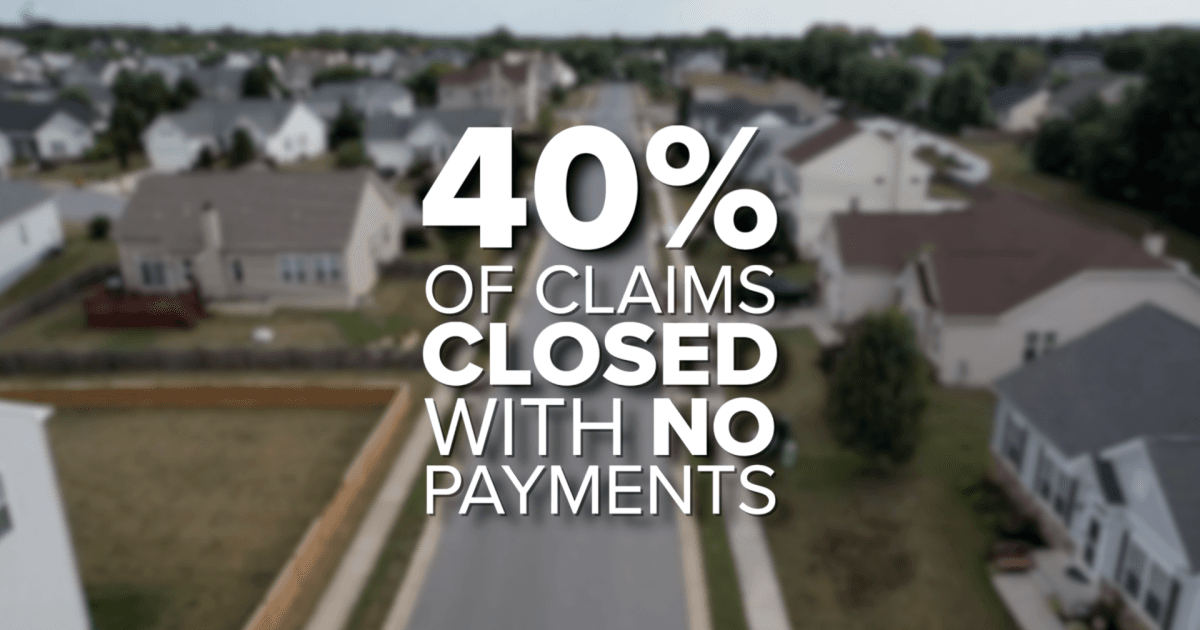
Florida homeowners are being hit with the highest insurance premiums in the nation, averaging $5,838 per year—nearly double the U.S. average. As costs skyrocket, many residents are reporting denied claims, non‑renewals, and impossible financial choices. New investigations reveal that more than 40 percent of claims in Florida close with no payment, while lawmakers push for transparency, fair pricing, and meaningful reform to stabilize a market that’s rapidly becoming unsustainable.
Vend Park, a Boston-based proptech company, has raised $17.5 million in Series A funding to reinvent parking as a high-performing commercial real estate asset. By replacing outdated operator–vendor systems with a unified AI-driven platform, Vend Park is helping major property owners boost NOI by up to 30%, slash operating costs, and modernize the tenant experience. As the company expands from three to fifteen cities and partners with giants like Nuveen and Jamestown, its technology highlights a major shift: real estate professionals must now understand AI, automation, and digital infrastructure to stay competitive.
Keller Williams Realty Atlanta Partners has formed an exclusive partnership with Southeast Mortgage, Georgia’s largest non‑bank mortgage lender. The collaboration promises faster, tech‑enhanced transactions for both agents and homebuyers, combining real estate expertise with streamlined mortgage services. This move reflects a growing trend toward integrated real‑estate ecosystems designed to reduce delays, boost transparency, and modernize the homebuying experience.