In a world where the real estate industry is often seen as an accessible career path, the question arises: Is it too easy to become a real estate agent? According to a recent article by Atlanta Agent Magazine, the barriers to entry in this field are surprisingly low, allowing individuals from diverse backgrounds to step into the profession with minimal training.
Many states require little more than a course and a licensing exam to start selling houses. This ease of entry makes real estate a uniquely egalitarian industry, where a high school dropout might find as much success as an Ivy League graduate. However, this accessibility also means that many new agents may lack the necessary training and mentorship, potentially leading to inadequacies that could harm clients.
Challenges and Opportunities
The article highlights that while the process of becoming a real estate agent is relatively inexpensive and quick, it often results in a steady influx of newcomers who may not be fully prepared. Kevin Fruh, owner and broker at Fruh Realty, notes that this is both the greatest strength and weakness of the real estate industry.
Sonia Gilbukh, assistant professor of real estate at the City University of New York, points out that the cost and time commitment to become a licensed agent is significantly less than other professions, such as hairstyling, which requires more extensive training. This discrepancy raises concerns about the preparedness of agents handling substantial financial transactions.
Improving Preparedness
To address these concerns, some industry professionals suggest implementing mandatory mentorship and ongoing training. Aliyah Gary, broker at iCare Realty, has developed a program called APEX, which aims to better prepare new agents for the realities of the business through role-playing and transaction simulations.
In a survey conducted by Atlanta Agent, 72% of respondents felt that the licensing process did not adequately prepare them for a career in real estate. Many advocated for an apprenticeship model similar to that of home inspectors, emphasizing the importance of guidance and support in handling large financial transactions.
The Impact on Industry and Consumers
The lack of preparation among new agents can negatively affect the reputation of the industry and lead to subpar consumer experiences. Experienced agents, like Mary Gillach, express concerns that underqualified agents may not provide the best service, leading to failed deals and dissatisfied clients.
In a fast-paced market, consumers often rely on experienced agents to navigate competitive situations. However, sellers may underestimate the importance of agent expertise, opting for personal connections over professional qualifications. Sonia Gilbukh notes that inexperienced agents often deliver worse outcomes for sellers, particularly in challenging markets.
The Role of Mentorship
Mentorship plays a crucial role in developing competent real estate agents. Kevin Fruh credits his success to the guidance of a mentor who taught him the intricacies of the business. He now seeks to pass on this knowledge to new agents in his brokerage, emphasizing a relationship-based approach to real estate.
As the industry continues to evolve, the importance of mentorship and ongoing education cannot be overstated. In the words of Thompson, “Inexperienced people focus on the transaction; experienced people focus on the relationship.” This focus on building lasting relationships is key to long-term success in real estate.
More Articles
Getting licensed or staying ahead in your career can be a journey—but it doesn’t have to be overwhelming. Grab your favorite coffee or tea, take a moment to relax, and browse through our articles. Whether you’re just starting out or renewing your expertise, we’ve got tips, insights, and advice to keep you moving forward. Here’s to your success—one sip and one step at a time!
By 2022, the average cost had skyrocketed to $1.19 million. That’s, like, a 28% increase in just three years! But as with all wild parties, there was an inevitable hangover.
"And let’s not forget this might be the start of a multi-platform domino effect. If TikTok is toast, Instagram Reels, YouTube Shorts, or bizarre TikTok lookalikes (looking at you, Lemon8) are poised to swoop in and capitalize."
Sutter Health is pioneering a transformative approach in critical care by introducing the FloPatch, a novel wearable device aimed at enhancing clinical decision-making. This initiative focuses on improving sepsis management within intensive care units (ICUs), leveraging real-time data to support critical treatment decisions.
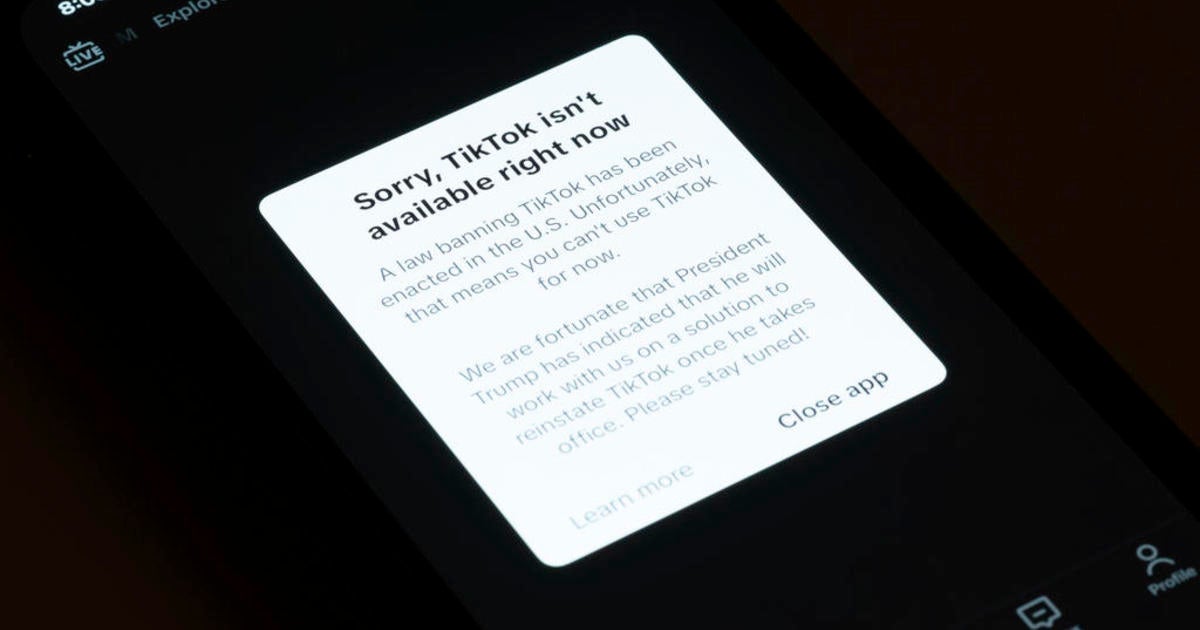
TikTok, the immensely popular social media app, is now banned in the United States following a Supreme Court ruling that mandated the app to sever ties with its China-based parent company, ByteDance, or face a ban.
AI is poised to revolutionize the diagnostic process, enabling more accurate and faster diagnoses than ever before. Traditional methods, which rely heavily on manual interpretations of medical images, often suffer from delays and errors. In contrast, AI-driven diagnostic tools can swiftly analyze vast amounts of medical data, including X-rays, MRIs, and CT scans, with remarkable precision. This technology is already being leveraged for the early detection of diseases such as cancer and diabetic retinopathy, making diagnostics more efficient and accessible than ever.