In a world where the real estate industry is often seen as an accessible career path, the question arises: Is it too easy to become a real estate agent? According to a recent article by Atlanta Agent Magazine, the barriers to entry in this field are surprisingly low, allowing individuals from diverse backgrounds to step into the profession with minimal training.
Many states require little more than a course and a licensing exam to start selling houses. This ease of entry makes real estate a uniquely egalitarian industry, where a high school dropout might find as much success as an Ivy League graduate. However, this accessibility also means that many new agents may lack the necessary training and mentorship, potentially leading to inadequacies that could harm clients.
Challenges and Opportunities
The article highlights that while the process of becoming a real estate agent is relatively inexpensive and quick, it often results in a steady influx of newcomers who may not be fully prepared. Kevin Fruh, owner and broker at Fruh Realty, notes that this is both the greatest strength and weakness of the real estate industry.
Sonia Gilbukh, assistant professor of real estate at the City University of New York, points out that the cost and time commitment to become a licensed agent is significantly less than other professions, such as hairstyling, which requires more extensive training. This discrepancy raises concerns about the preparedness of agents handling substantial financial transactions.
Improving Preparedness
To address these concerns, some industry professionals suggest implementing mandatory mentorship and ongoing training. Aliyah Gary, broker at iCare Realty, has developed a program called APEX, which aims to better prepare new agents for the realities of the business through role-playing and transaction simulations.
In a survey conducted by Atlanta Agent, 72% of respondents felt that the licensing process did not adequately prepare them for a career in real estate. Many advocated for an apprenticeship model similar to that of home inspectors, emphasizing the importance of guidance and support in handling large financial transactions.
The Impact on Industry and Consumers
The lack of preparation among new agents can negatively affect the reputation of the industry and lead to subpar consumer experiences. Experienced agents, like Mary Gillach, express concerns that underqualified agents may not provide the best service, leading to failed deals and dissatisfied clients.
In a fast-paced market, consumers often rely on experienced agents to navigate competitive situations. However, sellers may underestimate the importance of agent expertise, opting for personal connections over professional qualifications. Sonia Gilbukh notes that inexperienced agents often deliver worse outcomes for sellers, particularly in challenging markets.
The Role of Mentorship
Mentorship plays a crucial role in developing competent real estate agents. Kevin Fruh credits his success to the guidance of a mentor who taught him the intricacies of the business. He now seeks to pass on this knowledge to new agents in his brokerage, emphasizing a relationship-based approach to real estate.
As the industry continues to evolve, the importance of mentorship and ongoing education cannot be overstated. In the words of Thompson, “Inexperienced people focus on the transaction; experienced people focus on the relationship.” This focus on building lasting relationships is key to long-term success in real estate.
More Articles
Getting licensed or staying ahead in your career can be a journey—but it doesn’t have to be overwhelming. Grab your favorite coffee or tea, take a moment to relax, and browse through our articles. Whether you’re just starting out or renewing your expertise, we’ve got tips, insights, and advice to keep you moving forward. Here’s to your success—one sip and one step at a time!
President Trump recently suggested mortgage rates will drop “a lot lower” by early 2026, sparking industry-wide curiosity — but current economic data tells a more measured story. With today’s 30‑year fixed hovering near 6.25%, experts say meaningful declines remain possible, though not guaranteed, and would depend on softer inflation, weaker economic signals, or a shift in bond market behavior. While political comments created headlines, analysts emphasize that only market conditions — not rhetoric — can drive rates down. Independent forecasts already point toward mid‑5% rates by 2026, offering a potentially healthier landscape for buyers, agents, and mortgage professionals preparing for the next cycle.
Artificial intelligence has moved from a futuristic concept to a central force driving today’s mortgage industry. From smarter underwriting to enhanced borrower experiences and tighter compliance, AI is transforming every corner of mortgage lending. As expectations rise and competition accelerates, AI literacy is no longer optional — it’s a core skill every mortgage, real estate and finance professional must master to stay relevant and lead confidently.
Global commercial real estate is shifting away from short-term recovery cycles and entering a long-term transformation driven by technology, sustainability, demographic change, and evolving work‑life patterns. Capital is becoming more selective, favoring resilient assets and alternative lenders, while high‑demand sectors such as industrial, logistics, data infrastructure, and specialized residential continue to outperform. Geography, sustainability standards, and flexibility are emerging as defining forces for the next cycle, signaling major opportunities—and challenges—for real estate professionals preparing for the future.
Artificial intelligence has moved from hype to essential infrastructure in the real estate world. From smarter valuations and predictive analytics to automated lead generation and personalized property-matching tools, AI is transforming how agents, brokers, lenders, and managers operate. As top platforms like Zillow, Redfin, Opendoor, and dozens more integrate deep‑learning technology, professionals across real estate, mortgage, insurance, and finance are being pushed to adapt. The future belongs to those who embrace these tools — and use them to elevate speed, accuracy, and client experience.
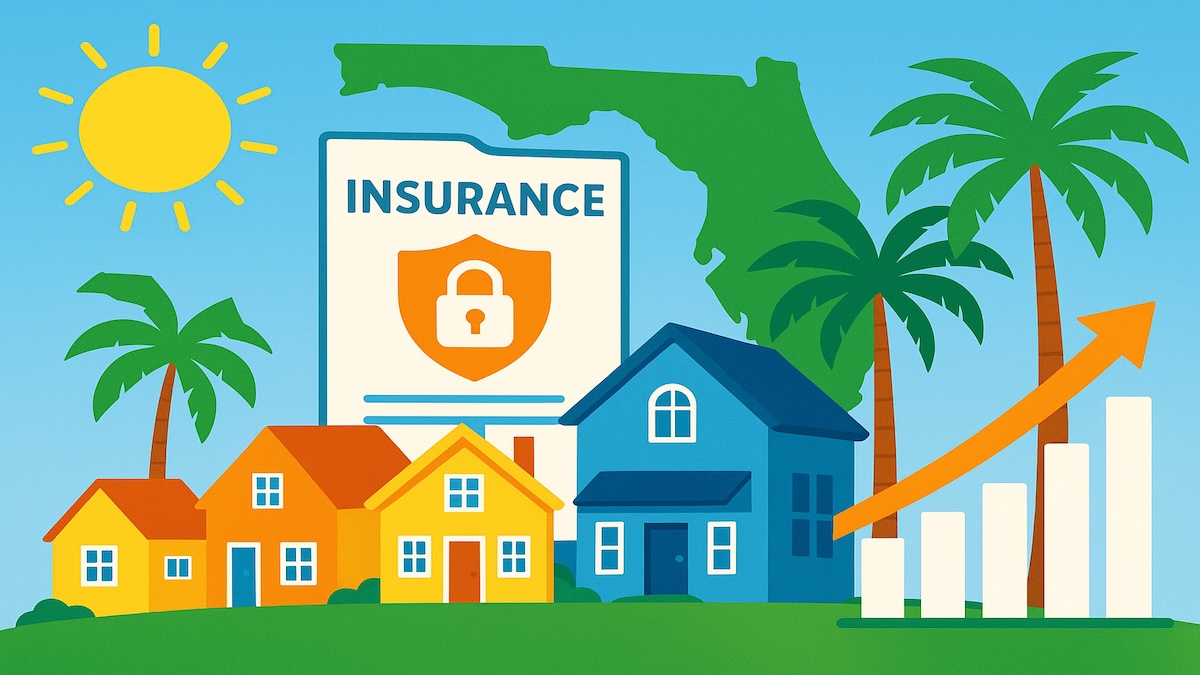
Florida’s once‑troubled property insurance market has staged an impressive recovery after its near‑collapse in 2022. A new ALIRT Insurance Research report shows that legislative reforms, tighter underwriting and the arrival of new insurers have restored stability, reduced Citizens’ policy load and revived industry confidence. While risks remain, the rebound is reshaping housing affordability and creating fresh opportunities for real estate, mortgage and insurance professionals.
A new bill gaining momentum in Tallahassee would stop insurers from denying claims based solely on artificial intelligence. Championed by Rep. Hillary Cassell, the proposal aims to restore trust in Florida’s troubled insurance market by ensuring human oversight in decisions that affect homeowners, newcomers, and industry professionals. As debates intensify, experts warn AI is reshaping insurance faster than ever—making it critical for real estate, mortgage, and insurance professionals to understand the regulatory shifts ahead.